In a nutshell
- 🌬️ Dry air irritates airways; aim for 40–60% humidity with a simple hygrometer, and use short cross-ventilation bursts—comfort isn’t always better when rooms are heated but stagnant.
- 🧫 Hidden mould thrives on winter condensation (window frames, behind wardrobes); fix with extractor fans, squeegeeing, and furniture gaps—treat the moisture cause first, not just stains.
- 🛏️ Dust mites and pet dander surge indoors; wash bedding at 60°C, vacuum with HEPA, damp-dust, and groom pets—ultra-low humidity isn’t a cure and harsh “deep cleans” can resuspend allergens.
- 🕯️ Scented candles, sprays, and wood burners add VOCs (e.g., limonene) and PM2.5; choose unscented products, Ready to Burn logs, and a HEPA + carbon purifier—prioritise source control over masking odours.
- 📊 Build habits: “heat less, ventilate smarter,” track humidity/CO₂, and switch to bite-size cleaning routines; small, targeted changes compound into noticeably clearer winter breathing.
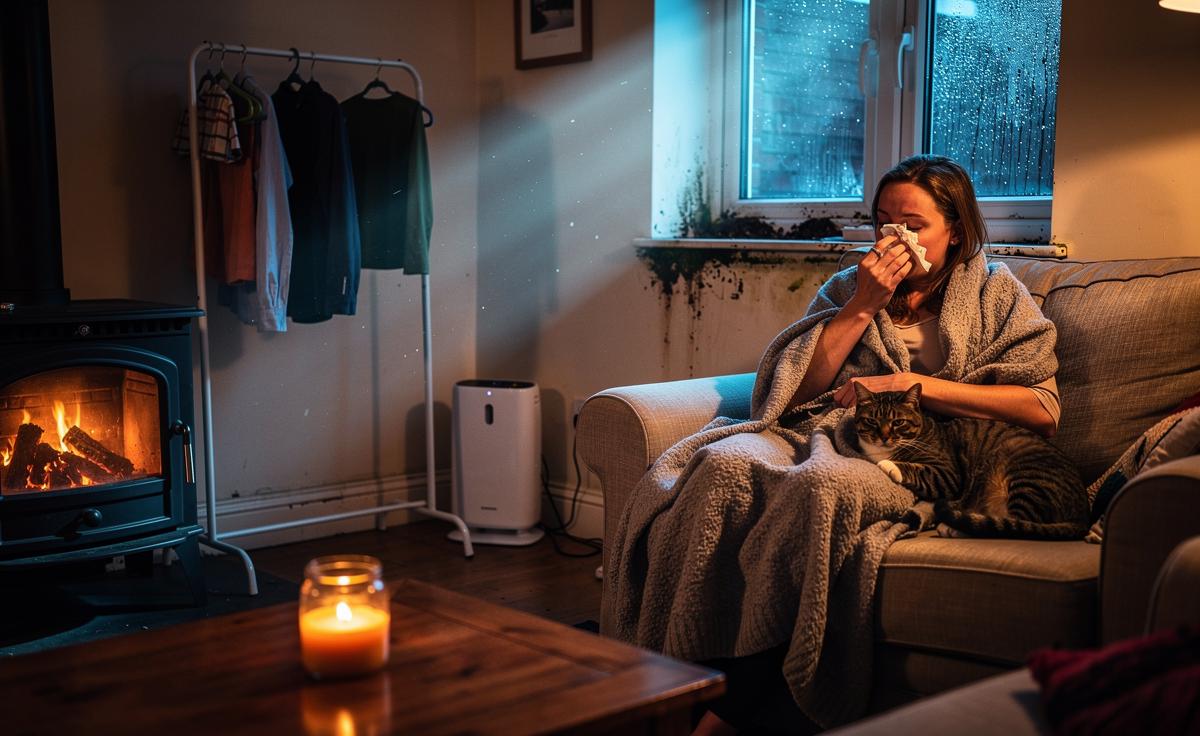
Winter should be cosy: the kettle on, radiators humming, curtains drawn. Yet for many households, that warmth comes with an unwelcome side-effect — a spike in winter allergies. With windows sealed and time spent indoors rising by as much as a third during cold snaps, we marinate in an indoor cocktail of dust mites, mould spores, pet dander, and irritants from candles, sprays, and even wood smoke. Because we ventilate less in winter, hidden triggers concentrate and linger. As a UK reporter who’s toured homes from Croydon flats to Cumbrian cottages, I’ve seen how small tweaks — the right humidity, better cleaning routines, and smarter ventilation — turn wheeze-filled winters into breathable seasons.
Dry Indoor Air: Why Comfort Isn’t Always Better
Central heating brings comfort, but it can drive relative humidity below 35%, irritating nasal passages and eyes. Paradoxically, dryer air suspends tiny particles for longer, increasing exposure to allergens. The sweet spot for homes is a 40–60% humidity range: low enough to discourage mould, high enough to protect the airway lining. A £10–£20 hygrometer on a bookshelf often reveals the truth faster than guesswork.
Leah, a renter in Leeds, told me she “only ever got blocked up in December.” Her flat’s humidity read 28% on frosty days. The fix wasn’t cranking a humidifier to the max. It was targeted: seal draughts around the letterbox, reduce radiator blast in bedrooms, and run short, sharp ventilation bursts after showers and cooking. “Heat less, ventilate smarter” beats “heat more, seal tighter” for many allergy-prone homes.
- Pros of keeping humidity 40–60%: calmer airways, fewer static shocks, less dust resuspension.
- Cons of over-humidifying: condensation, mould growth, and dust mites rebound.
Why comfort isn’t always better: heated, stagnant rooms feel cosy but trap emissions from furnishings and cleaning products. Use trickle vents or five-minute cross-venting twice daily. It’s a small habit with a big impact on winter symptoms.
Hidden Mould and Damp: The Winter Growth Spurt
In Britain’s older housing stock, cold bridges and steamy showers make winter the season mould thrives. You’ll find it where warm, moist air meets chilly surfaces: on window reveals, behind wardrobes on external walls, and around extractor-less bathrooms. What looks like a cosmetic speck is often a sign of persistent damp and poor airflow. While mould fragments can provoke rhinitis or chest tightness, the fix is often practical rather than pricey.
Simple changes work: keep furniture 5–7 cm off cold walls, use lids while boiling pasta, and run an effective extractor fan (20+ minutes after a shower). If you’re in a rented flat, document condensation and ask for an inspection — sometimes the solution is a back-vented tumble dryer or a fan upgrade, not just a wipe-down.
| Trigger | Where It Hides | Why Worse in Winter | Quick Fix |
|---|---|---|---|
| Mould spores | Window frames, bathroom grout | Condensation on cold surfaces | Ventilate after showers; squeegee glass |
| Damp dust | Behind sofas/wardrobes | Cool external walls + blocked airflow | Pull furniture forward; clean skirtings |
| Wet laundry | Airers in bedrooms | Evaporation spikes humidity | Dry in ventilated rooms or use a dehumidifier |
For cleaning, avoid aggressive scrubbing that aerosolises spores. Use a damp cloth with mild detergent, rinse, then dry the area. Bleach lightens stains but doesn’t fix the moisture source. Think cause first, cosmetics second.
Dust Mites, Dander, and Winter Cleaning Myths
Dust mites live in bedding, carpets, and upholstered furniture, feeding on skin flakes. They love warmth and moderate humidity. Winter routines — more duvet time, closed windows, pets indoors — give them a perfect buffet. Even when outdoor pollen is low, indoor allergen loads can soar. The myth is that turning the home arid will “kill the mites.” In reality, ultra-low humidity irritates you more than it starves them.
What works is targeted hygiene. Wash bedding weekly at 60°C, including pillow protectors; vacuum mattresses monthly using a HEPA-equipped vacuum; and damp-dust rather than feather-dusting. If you have a dog or cat, groom outdoors on dry days and use a microfibre mitt between baths. Replace heavy curtains near radiators with washable blinds if symptoms flare in bedrooms.
- Why “deep cleans” can backfire: vigorous dry dusting resuspends allergens.
- Smarter plan: microfibre cloths, slow vacuum passes, and regular laundry cycles.
- Negation to note: More fragrance isn’t cleaner — it’s often more irritant.
A Croydon case study: a family swapped weekend blitz-cleaning for 15-minute daily routines focused on beds, sofa throws, and the hallway mat. Symptoms eased within two weeks, especially morning sneezing. Data point? Their cheap CO2 and humidity monitor showed improved ventilation habits without over-chilling the flat.
Scented Candles, Sprays, and Wood Smoke: The Irritant Cocktail
In winter, homes often layer VOCs from candles, plug-ins, and sprays with PM2.5 from wood burners. Many fragranced products contain limonene; when it reacts with ozone, it can form formaldehyde — a known irritant. Fragrance can be an exposure, not a solution. Wood smoke, meanwhile, drifts between terraces and flats, raising particulates even if you don’t own a stove.
Pros vs. cons for popular winter mood-boosters:
- Scented candles — Pros: ambience; Cons: soot, VOCs, unnecessary fragrance load.
- Air fresheners — Pros: fast odour cover; Cons: chemical mixture, sensitisation risk.
- Wood burners — Pros: radiant warmth; Cons: high PM2.5, neighbourhood exposure.
Better options: choose unscented candles or beeswax, use fragrance-free detergents, and prioritise source control over masking odours (empty bins, ventilate kitchens). If you must burn logs, use Ready to Burn-certified dry wood, keep doors closed, and maintain the flue. For flats, a compact air purifier (HEPA + carbon) near the lounge can trim peaks from neighbours’ smoke. Good indoor air is more about what you don’t add than what you spray on.
Cold weather doesn’t have to equal stuffy noses. The real trick is managing indoor microclimates: balancing humidity, nudging ventilation at the right moments, and cutting irritants at the source. From de-fogging windows to choosing fragrance-free products, small choices compound into clearer breathing. If you try one thing this week, place a hygrometer in the bedroom and log readings morning and night; let that data guide your tweaks. Winter well-being starts with the air you don’t see. Which hidden trigger will you tackle first, and what change are you willing to test in your home over the next seven days?
Did you like it?4.4/5 (29)