In a nutshell
- 🕒 A hybrid of time‑restricted eating and protein pacing aims to curb grazing, boost satiety, and protect lean mass while promoting fat loss.
- ⚖️ Expect realistic losses of 0.5–1 kg per week; early “whoosh” drops are mostly water, and consistency beats extremity for sustainable results.
- 🔬 Evidence shows modest benefits: appetite control and potential insulin sensitivity gains, but the calorie deficit remains the decisive factor—no magic shortcut.
- 🚩 Mind the risks: consult a clinician if you have diabetes, are pregnant, or have a history of disordered eating; be wary of detox teas and pricey “accelerators.”
- 🧭 Practical playbook: anchor meals with 25–35g protein, add fibre and whole grains around activity, prioritise sleep and resistance training, hydrate, and choose an eating window that fits your life.
You’ve seen the before-and-after photos. You’ve heard the whispered testimonials on the school run, at the gym, in the office kitchen. This new diet trend, touted as a hybrid of time-restricted eating and protein pacing, promises an eye-popping drop on the scales — “a stone in three weeks,” say some glossy adverts, “10kg in a month,” claim others. Bold. Tempting. A little suspicious. So I put on my reporter’s hat, dug into the studies, spoke to nutritionists, and crunched the numbers. The attraction is obvious: structured rules, clear meals, fast momentum. But spectacular claims are not guarantees. Here’s what’s behind the hype, what’s realistic, and where the risks begin.
What Is the ‘Switch and Pace’ Diet Trend?
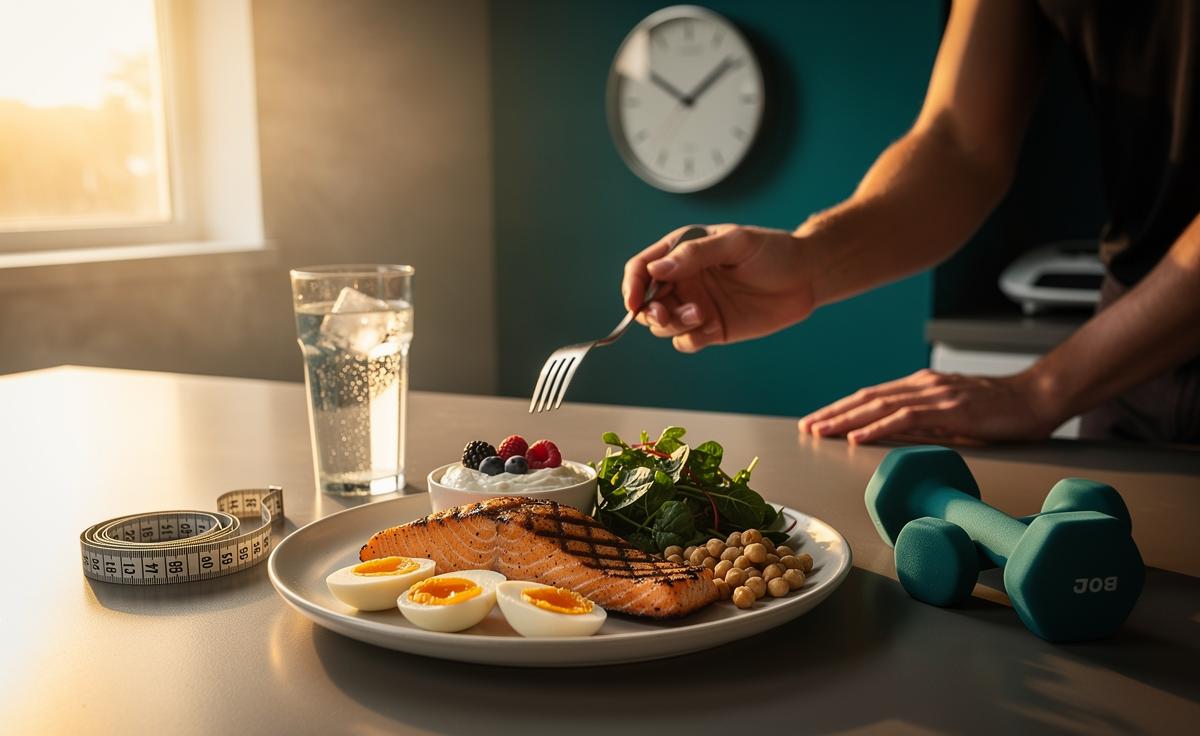
At its core, the plan blends metabolic switching — spending chunks of the day in a low-insulin, fasting state — with protein pacing, the habit of spacing substantial protein servings across a shortened eating window. Typically, followers eat within eight hours, often noon to 8pm, and aim for roughly 25–35g protein per meal alongside plenty of fibre. It sounds techy, but the rules are simple: front-load protein, keep snacks purposeful, minimise ultra‑processed foods, hydrate, and sleep more than you doomscroll. The pitch is that this nudges hunger hormones, trims overall energy intake, and protects lean mass while fat drops.
Promoters dangle dramatic figures. “5kg in two weeks.” “Two stones by summer.” The truth, as ever, is messier. A short eating window can reduce mindless night-time calories. Protein does heighten satiety. Fibre steadies appetite. Yet physiology still respects arithmetic. If you don’t create a calorie deficit, you won’t lose fat. Early losses often include water and glycogen. That’s motivating, not magical. And while the plan can be flexible — omelettes, yoghurt bowls, legumes, fish — it’s less friendly to shift workers, marathon trainees, or people with complex medical needs.
How Much Weight Could You Really Lose?
Let’s convert the hype into numbers. A steady, evidence-based deficit of 500–750 kcal per day generally yields about 0.5–1kg per week. In the first week or two of a restrictive regimen, some people see an extra 1–3kg thanks to water shifts from lower carbs and glycogen. That’s the “whoosh” effect in your group chat. It feels miraculous. It’s mostly fluid. Sustainable fat loss sits nearer the slower end, especially once your routine normalises and hunger cues catch up.
| Claim | Typical Outcome | Timeframe | Notes |
|---|---|---|---|
| Lose 10kg | 3–6kg fat, plus early water | 6–12 weeks | Highly variable; depends on starting size, adherence, activity |
| Drop a stone (6.3kg) | Possible | 6–10 weeks | More likely with higher initial weight and consistent deficit |
| Two stones | Ambitious | 3–5 months | Unlikely to be safe or sustainable in a single month |
In UK guidance, losing 0.5–1kg per week is considered safe. That aligns with NHS advice and decades of research. Expect fluctuations, plateaus, the odd birthday derailment. Consistency beats extremity. If the scale plummets daily, question whether you’re under-fuelling, dehydrated, or simply shedding water. And remember: preserving muscle through adequate protein and resistance work matters as much as the headline number.
Science Check: Mechanisms and Evidence
Does the biology stack up? Partly. Small trials of time‑restricted eating show modest weight loss, often 1–4% of body weight over 8–12 weeks, largely because people eat less overall. The window creates friction against grazing. Pair that with protein pacing, which increases satiety and supports lean mass, and you likely lower hunger-driven snacking. Fibre from beans, oats, vegetables slows digestion and feeds the microbiome. The combo can stabilise appetite and help you maintain a calorie deficit without white‑knuckle willpower.
Metabolically, spending longer between meals may improve insulin sensitivity for some, making fat mobilisation a touch easier. Yet effect sizes are modest and hinge on what you eat between the fasting stretches. A window stuffed with pastries won’t outperform balanced meals. Nor is there magic in the clock. Early eaters sometimes fare better than late diners. And while people love to say the diet “mimics GLP‑1,” that’s an analogy, not a clinical reality. It’s not witchcraft; it’s a structured way to eat less and feel fuller. That’s helpful, but it’s not a shortcut past energy balance.
Risks, Red Flags, and Practical Tips
Here’s the sober bit. If you have diabetes, take medication that requires timed meals, are pregnant, or have a history of disordered eating, speak to a clinician before changing when you eat. For athletes and heavy labourers, a narrow window can compromise training quality and recovery. Watch for red flags: pricey powders packaged as “metabolic accelerators,” detox teas, and before‑and‑after photos with hard-to-verify timelines. The method should work without a subscription box.
Practicalities matter. Anchor each meal with 25–35g protein (eggs, Greek yoghurt, tofu, fish, chicken, beans), add bulky veg, include whole‑grain carbs around activity, and prioritise sleep. Lift something twice a week. Walk daily. Drink water. Keep the window that suits your life — 10am–6pm might be saner than noon–8pm if evenings are social. Plan a “flex meal” for weekends to blunt rebound. And if the rate stalls, don’t panic. Adjust portions, not your sanity. In the UK frame, slow, steady, and sustainable beats flashy and fragile.
Show-stopping promises sell, but lasting change is rarely theatrical. This trend can work — not because it hacks biology, but because it corrals appetite, simplifies choices, and elevates protein and fibre while nudging out ultra‑processed grazing. That’s useful, and for many, empowering. The brag-worthy drop might come; the habits matter more. Choose a window that fits your routine, build meals you’d happily eat in six months, and track progress beyond the scale: energy, sleep, clothes, strength. If you tried it for four weeks, what would you keep, tweak, or ditch to make the results truly stick?
Did you like it?4.7/5 (26)