In a nutshell
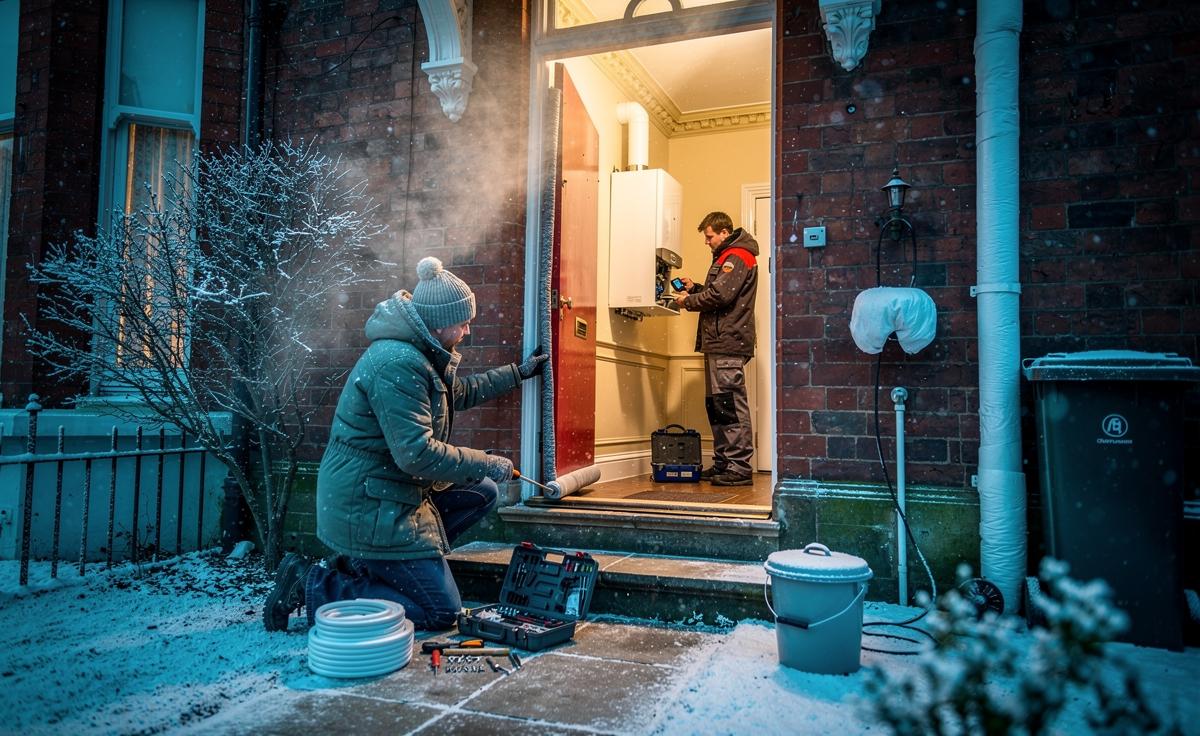
- 🔧 Service your heating system: book a Gas Safe boiler check, bleed/balance radiators, lower condensing boiler flow temperature, and add smart thermostat + TRVs for zoned control; insulate the external condensate pipe.
- 🧣 Draught‑proof and insulate: seal doors, windows, and floorboards; top up loft insulation (~270 mm) while preserving ventilation; use thermal curtains or secondary glazing, and target cold bridges revealed by an IR scan.
- 🚰 Protect pipes, tanks, and drains: lag exposed runs and the loft tank, locate/test the stopcock, isolate and drain outdoor taps, keep a low background heat when away, and deploy leak sensors at risk points.
- 🏠 Fortify roofs, gutters, and garden: repair slipped tiles and flashing, clear gutters/downpipes, prune overhanging branches, secure outdoor items, and ensure ground levels slope away—note the Pros vs. Cons of gutter guards.
- ⚡ Safety and smart resilience: test smoke and carbon monoxide alarms, add surge protection and a basic UPS, prep a blackout kit, keep emergency contacts handy, and consider temperature/leak sensors with phone alerts.
Winter in the UK can arrive like a curtain drop: one day it’s crisp, the next it’s sleet needling the windows. A well-prepared home shrugs off the season, keeping energy bills sensible and families safe. This guide distils a journalist’s notebook of practical checks gathered from heating engineers, roofers, and householders across Britain. You’ll find actionable steps, nuance on when DIY is wise, and when to call in a professional. A winter-ready home isn’t built on one big spend but on small, smart decisions made in the right order. Use this checklist to prioritise what matters most and avoid mid-January regrets.
Service Your Heating System Before the First Frost
Nothing burns through money faster than a poorly tuned boiler. Book an annual boiler service with a Gas Safe engineer before demand spikes; you’ll avoid queues and often get better rates. Ask for combustion checks, flue inspection, and verification of system pressure. If radiators have cold tops, bleed them and consider a partial power flush if sludge persists. Balance radiators so far rooms heat evenly—zonal precision trims run times and removes the temptation to roast the lounge while bedrooms shiver.
Smart controls add finesse. A smart thermostat with geofencing stops waste when no one’s home, while smart TRVs let you heat rooms to different schedules—ideal for home offices. Set flow temperature lower (e.g., 55–60°C on condensing boilers) to improve efficiency without sacrificing comfort. If you still use a timer-only programmer, consider an upgrade; the savings from tighter control often outpace initial costs over a couple of winters.
Anecdote: In Leeds, a three-bed terrace cut gas use by 12% after a pro radiator balance and TRV install—no lifestyle change needed. Quick wins also include fitting reflector panels behind radiators on external walls and verifying that the condensate pipe is insulated against freezing, a common source of winter breakdowns.
- Book service: Gas Safe engineer, certificate retained.
- Bleed and balance: Even heat, lower boiler load.
- Update controls: Thermostat + TRVs for zoned savings.
Seal Drafts and Upgrade Insulation Where It Pays
Start with the cheap wins: draught-proof letterboxes, keyholes, and the gap under doors. Seal window frames and floorboard cracks—particularly in suspended timber floors common in Victorian and interwar homes. Move upward to the loft: top up loft insulation to about 270 mm (typical UK recommendation) and ensure it’s laid without compressing eaves ventilation. The aim is to slow heat loss while preserving healthy airflow. Over-sealing can push moisture into corners, so pair insulation with ventilation strategies like trickle vents or a timed extractor in bathrooms.
Why “more” isn’t always better: wall insulation without attention to moisture can trap damp. A surveyor’s eye on cavity walls or internal insulation is prudent in period homes. Meanwhile, thermal curtains and secondary glazing film offer budget-friendly comfort boosts—good for renters. Doors to unheated spaces (garages, lean-tos) deserve proper seals and thresholds; cheap gaps can tax your boiler all season.
Case in point: A Bristol flat swapped thin curtains for lined options and fitted a brush strip to the front door. Result: fewer cold drafts and noticeably shorter heating cycles. Prioritise areas with the biggest temperature swings first; a quick infrared scan (many libraries or community centres lend cameras) reveals cold bridges you can fix in an afternoon.
| Draft/Gap | Fix | DIY or Pro |
|---|---|---|
| Letterbox flap | Brush-lined plate | DIY |
| Floorboard gaps | Flexible filler or slivers | DIY |
| Loft hatch | Insulated cover + seal | DIY |
| Cavity walls | Insulation survey | Pro |
Protect Pipes, Water Tanks, and Drains
Frozen pipes can undo months of thrift in a single burst. Lag any exposed pipework, including the condensate pipe outside the boiler—use weather-rated insulation. Insulate the loft water tank on all sides and the lid, ensuring pipes beneath remain within the home’s “warm zone.” Locate and test your stopcock now; if it’s stuck, lubricate or replace it. In an emergency, seconds saved finding the stopcock can prevent thousands in damage.
Outside taps need isolating valves closed and lines drained; fit a cover to keep wind chill off. Clear yard drains and gulleys so snowmelt can run. If you travel over Christmas, set the heating to a low, steady background temperature and open cupboard doors beneath sinks to let warmth circulate around pipes. A minor drip on the farthest tap can keep water moving during deep freezes, reducing risk of ice plugs.
When things go wrong: If a pipe freezes, turn off water at the stopcock and thaw slowly with warm towels or a hairdryer—never an open flame. Inspect ceilings below loft tanks for damp rings after cold snaps. For landlords and HMOs, consider smart leak sensors by cylinders and under kitchen sinks; alerts can speed up response times when tenants are away.
- Lag pipes: Focus on lofts, garages, and external runs.
- Know your stopcock: Label it; test quarterly.
- Travel setting: Low heat + open sink cupboards.
Fortify Roofs, Gutters, and Garden Against Storms
Winter water is ruthless. Check for slipped or cracked tiles, especially around chimneys and valleys, and clear gutters of leaves so downpipes flow freely. Overflow lines streaking down walls are a telltale of blockages. In high-wind areas, a roofer can secure ridge tiles and assess flashing. Keeping water moving away from the house is the simplest way to prevent costly damp. Paths benefit from a stiff brush and a bag of grit salt nearby; algae turns steps into ice rinks the moment temperatures dip.
Garden prep matters. Secure fence posts, store furniture, and tie down bin lids. Prune branches that overhang roofs or cars; storms make missiles of weak limbs. Sheds and greenhouses appreciate a check on hinges and seals. If you’re rural, consider clearing a secondary soakaway route—French drains or a simple gravel channel—to spread heavy runoff across lawn rather than towards the foundations.
Pros vs. Cons: Gutter guards reduce leaf entry but can slow flow if not cleaned; seasonal manual clears remain the gold standard for many UK homes. A small investment in a telescopic gutter cleaning tool pays back quickly. Finally, glance at ground levels—soil should sit below the damp-proof course, with paving gently sloped away, not towards, the house.
Safety, Power Resilience, and Smart Monitoring
Winter safety is a bundle of little habits. Test smoke alarms and carbon monoxide alarms, replacing batteries or units past their expiry date. Fit a surge protector for your boiler and router; outages and restores can spike electronics. Keep torches, power banks, and blankets in one known spot. In a blackout, prepped beats panicked every time. If you rely on medical devices, register with your energy supplier’s Priority Services Register for additional support during disruptions.
Smart monitoring can catch issues early. Place temperature and leak sensors near vulnerable pipes and the loft tank; many systems send phone alerts. A basic UPS can keep your broadband alive for short outages, preserving smart-home visibility. For second homes or when working away, a camera pointing at the boiler’s pressure gauge (yes, really) provides a low-tech remote check that everything’s stable.
Story from the field: A Worcestershire family avoided a Christmas Day disaster when a leak sensor pinged them—an upstairs isolation valve had perished. They shut the stopcock via a neighbour and saved the ceilings. Round out resilience with a written list of emergency contacts: insurer, plumber, roofer, electricity network operator (not just your supplier). Tape it inside a kitchen cupboard where anyone can find it.
- Test alarms: Replace units at end-of-life dates.
- Prep a kit: Torches, chargers, blankets, medication list.
- Log contacts: Insurer, trades, network operator.
Winterising isn’t about fear; it’s about confidence. Tackle the quick, cheap jobs first, then schedule the professional tasks that deliver durable value. Each step reduces risk, trims bills, and buys comfort on nights when the wind turns spiteful. Keep this checklist handy, review it after the first cold snap, and adjust based on what your home tells you. Which step will you prioritise this week to make your winter home warmer, safer, and more resilient?
Did you like it?4.6/5 (24)