In a nutshell
- 🧂 Salt works fast: A dense brine plus crystal abrasion and osmotic action loosens grease and biofilm near the P-trap, often restoring flow in about two minutes.
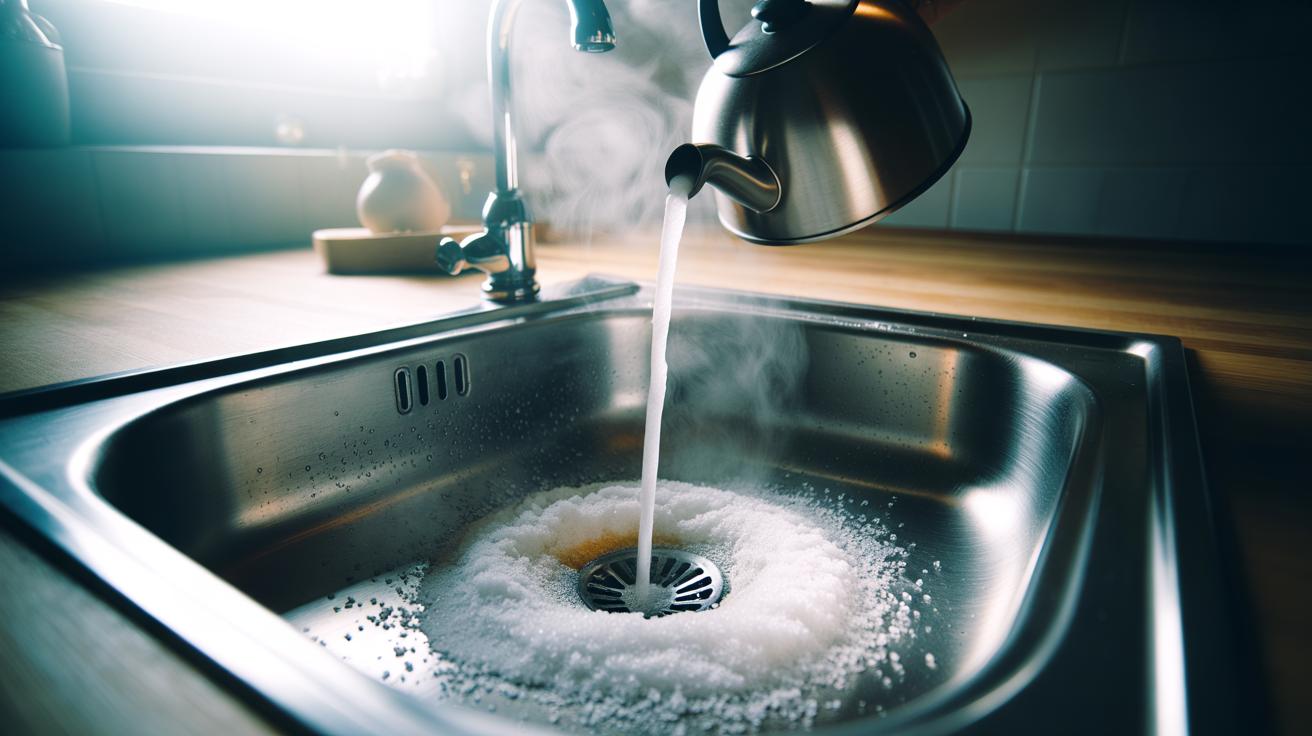
- ⏱️ Two-minute method: Tip 1/2 cup fine salt into the drain, chase with very hot water (boiling for metal, not for PVC), test after two minutes; optionally add baking soda first for extra push.
- 🚫 Know the limits: Effective on smear-like residue, not on hair mats, coffee grounds, or compact clogs; avoid mixing with bleach or chemical openers—use a plunger or drain snake instead.
- 🛡️ Safety and sustainability: Low-cost, non-toxic, and gentler on pipes and septic systems; prevent scalds, mind plastic fittings, and don’t overuse high-salt flushes.
- 🔧 Practical maintenance: Use after greasy cooking, and under a powered-off garbage disposal to scrub walls; small, regular treatments beat emergency fixes.
Every household has faced it: a sink that swirls, sulks, and refuses to drain. Before you reach for harsh chemicals, consider a quiet hero in your cupboard—salt. Used correctly, it can loosen early-stage clogs and slimy buildup surprisingly quickly. In many cases, a simple salt-and-hot-water flush can restore flow in about two minutes, especially for greasy films and biofilm sludge hanging around the P-trap. No fancy kit, no chemical sting, minimal cost. The trick is understanding what salt does—and what it doesn’t—so you can apply it at the right moment and avoid making matters worse.
How Salt Busts Clogs in Minutes
Salt doesn’t melt fat like magic, and it won’t dissolve hair. What it does offer is a potent mix of abrasion, osmotic pressure, and a heavy brine that rides quickly through a trap. Coarse grains rub at soft, gelatinous buildup; finer grains slip into seams of gunk and disrupt the slime matrix. When you follow with very hot water, you create a dense, fast-moving brine that scours surfaces while softening congealed grease at the edges, helping fragments detach. That rapid push is why small, sticky clogs sometimes vanish in two minutes, especially in kitchen sinks with light “fat-ring” residue.
There’s another quiet benefit: salt’s high ionic strength draws water out of microbial biofilms, shrinking them and weakening their grip. Think of it as a quick dehydration nudge that makes scraping easier—for the water itself. Combine that with momentum from the kettled flush and you get a practical, mechanical clean without a wrench. Important caveat: salt isn’t a solvent. It’s a helper. For hair knots or compacted coffee grounds, you’ll need physical removal or an alkaline agent like baking soda before the hot-water chase.
Two-Minute Method: Step-by-Step
Start with a slow sink, not a fully standing, stubborn blockage. Timing matters: salt is best as an early intervention. Tip about 1/2 cup of fine table salt straight into the drain; fine crystals disperse more evenly than rock salt. If you’ve a strainer, lift it so grains actually reach the trap. Boil a kettle. For metal plumbing, a rolling boil is fine; for PVC, use very hot, not fully boiling, water to avoid softening joints.
Pour steadily, aiming to drive the salt into the bend. The first surge creates the abrasive sweep; the next keeps the brine moving. Give it roughly two minutes. Test with a brief cold-water run. Flow back? You’ve cleared a sticky film or minor grease collar. Still slow? Repeat once, or add a half cup of baking soda first, let it sit ten minutes, then repeat the hot-water flush. Do not combine this routine with bleach or commercial openers. If the basin remains full, stop—switch to a plunger or a small drain snake to avoid packing the clog tighter.
When Salt Works—and When It Doesn’t
Salt shines on soft, early-stage obstructions: a necklace of congealed oil, dish-soap scum, or the slippery biofilm that lines a rarely used guest sink. It also helps under a garbage disposal (power off first) where crystals can scrub the chamber walls ahead of the hot-water chase. In bathrooms, light toothpaste sludge and shaving-cream residue respond well. Think smear, not solid. That’s the sweet spot. Use it as maintenance after greasy cooking sprees, and you’ll prevent the fat ring from maturing into a proper choke point.
But there are firm limits. Salt won’t dissolve hair mats intertwined with floss or dental picks. It won’t chew through fibrous vegetable peels, coffee grounds, or dense “fatberg” masses further down the line. If you suspect a compact clog, go mechanical: plunger first, then a drain snake. Avoid boiling water on PVC traps and fragile porcelain sinks. Never mix salt routines with bleach or chemical openers; flush the system thoroughly and wait before changing tactics. And if multiple fixtures back up at once, you may have a vent or stack issue—call a professional rather than feeding the drain more fixes.
Costs, Sustainability, and Safety
For households seeking low-impact cleaning, salt is compelling. It’s cheap, shelf-stable, and non-toxic in small quantities. Used sparingly, salt-based flushes are gentler on pipes and septic systems than caustic chemicals. The environmental footprint is tiny compared with petroleum-derived gels, and there’s no acrid off-gassing. The main risks stem from overuse (salty effluent in very large doses can stress septic bacteria) and from scalding water misapplied to plastic plumbing. A little planning avoids both. Below is a quick guide you can pin inside a cupboard.
| Method | Ingredients | Time | Best For | Avoid |
|---|---|---|---|---|
| Quick Salt Flush | 1/2 cup salt + hot water | 2–3 minutes | Grease film, biofilm, soap scum | Standing water, PVC with boiling water |
| Salt + Baking Soda | 1/2 cup each, then hot water | 10–20 minutes | Early fat clogs, odours | Bleach or chemical openers |
| Mechanical First Aid | Plunger or drain snake | 5–15 minutes | Hair, compacted debris | None if used correctly |
Keep gloves handy, angle your pour to avoid splashes, and let pipes cool after any chemical use before trying a hot flush. Small, regular treatments beat emergency heroics—especially in rental flats where pipework is a mystery.
Salt is not sorcery. It’s a smart nudge at the right moment, an abrasive assist delivered in a briny rush that dislodges what’s soft yet stubborn. Keep a kilo in the cupboard, a kettle on standby, and you’ll head off many kitchen sulks before they begin. For tougher blockages, escalate sensibly: plunger, snake, then a trusted plumber. The art is knowing when to stop and switch tools. What’s your go-to routine when a drain starts to drag—do you reach for the kettle, the plunger, or the phone?
Did you like it?4.6/5 (25)