In a nutshell
- 🧪 Uses aluminium foil to create an occlusive wrap that traps vapour and warmth, accelerating softening and release of paint residue while protecting the bristles and ferrule.
- 🛠️ Step-by-step: pre-wipe, add the right solvent, wrap below the ferrule, twist and massage, allow brief dwell, then unwrap, comb, rinse, and reshape for a crisp edge.
- 📊 Match cleaner to paint: acrylic/latex with warm soapy water (plus a little IPA if needed), oil-based with white spirit, shellac with methylated spirit; typical dwell times are 5–10 minutes (water-based) and 15–30 minutes (oil).
- 🧰 Pro tips: score hardened crusts, add citrus booster to white spirit, keep liquids below the ferrule, repeat short cycles for delicate bristles, and wrap a damp brush in foil between coats to keep it usable.
- ♻️ Cleaner workflow: use less solvent, control spatter, decant and reuse settled solvent, ventilate well, and bin the foil for a tidy, fast, and cost-saving clean-up.
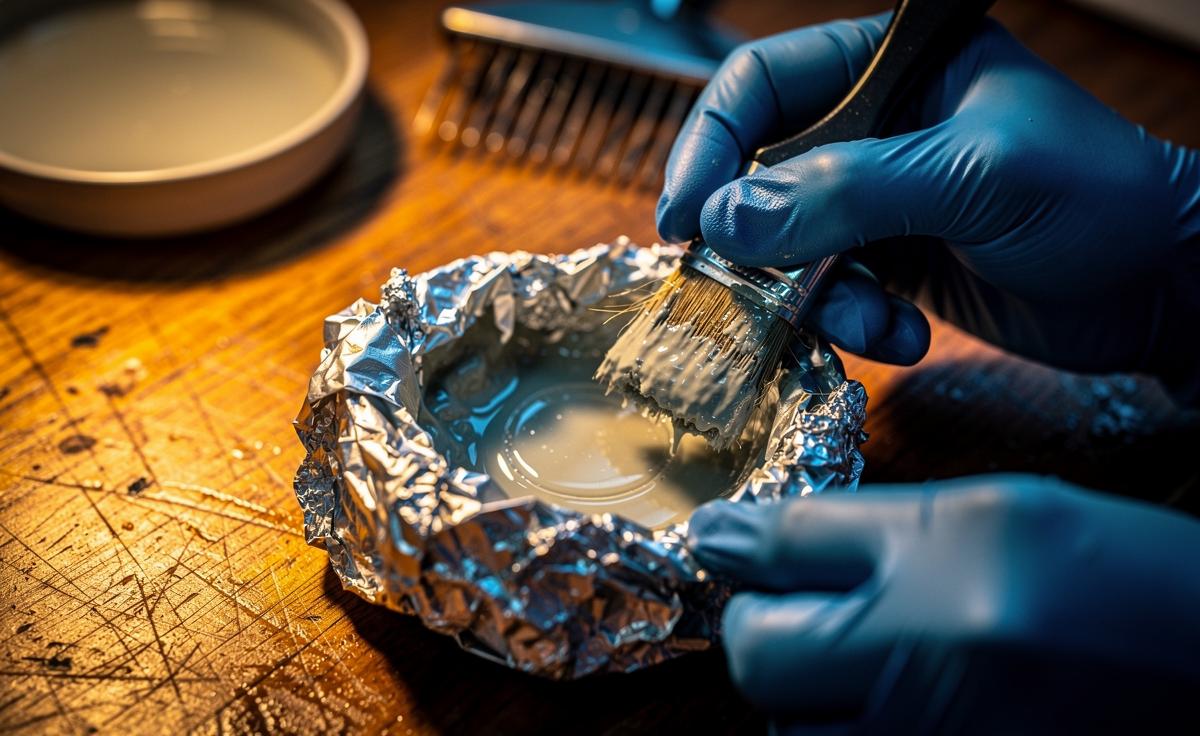
There’s a surprisingly quick way to rescue gummed-up paintbrushes without endless rinsing or harsh scraping. Reach for aluminium foil. The trick is simple: encapsulate the brush head, add the right cleaner, and use a gentle wrapping and twisting action to dislodge stubborn residue. This creates a snug mini-chamber that softens dried paint in minutes. It’s cheap. It’s tidy. It’s almost mess-free. And because the foil traps vapour and heat, the solvent works harder with less exposure and smell. Whether you paint daily or dabble on weekends, this low-tech method spares bristles, preserves shape, and gets you back to a crisp edge and clean ferrule fast.
Why Aluminium Foil Works in Minutes
Think of aluminium foil as a flexible, solvent-proof cocoon. Wrap it around the brush head and you create occlusion: a tight, vapour-retentive space that warms slightly in your hands and prevents rapid evaporation. That microclimate accelerates softening and release of dried paint. The foil’s gentle rigidity also helps. As you twist and massage, its smooth inner surface nudges paint loose without shredding the bristles or scuffing the ferrule. It’s precise, unlike banging on a tin’s rim.
There’s physics at play. Capillary channels between bristles hold paint; the foil wrap concentrates solvent where it’s needed, enhancing capillary action to flush residues outwards. Because the foil can be crimped at the neck, you keep cleaner below the ferrule glue line, reducing the risk of softening adhesives. It also controls spatter. No flicking. No puddles. Crucially, this method is fast: most water-based paints release in five to ten minutes; oils in fifteen to thirty. You’ll use less solvent overall, and the foil can be binned afterwards with minimal mess.
What You Need and How to Prepare
Gather a sheet of aluminium foil, the right solvent, nitrile gloves, an old rag, a small jar or tin, and—if you have one—a brush comb. Work over newspaper or a tray. The aim is control. Pre-wipe excess paint from the bristles so the cleaner isn’t overwhelmed, then shape the tip with your fingers so the wrap stays neat. Keep liquids below the ferrule to protect the binding glue. If in doubt on compatibility, test the solvent on a few bristles first.
Choose your cleaner based on paint type and the brush hair. White spirit is classic for oils, warm soapy water for acrylics, methylated spirit for shellac and spirit-based primers. Natural bristle dislikes prolonged soaking in strong ketones; synthetics tolerate more but can deform in heat. Keep a shallow dish nearby to decant small amounts only—safety first, less odour, less waste.
| Paint Type | Primary Cleaner | Typical Foil Dwell Time | Notes |
|---|---|---|---|
| Latex/Acrylic | Warm water + mild soap | 5–10 minutes | Add a splash of isopropyl alcohol for stubborn edges. |
| Oil-Based | White spirit | 15–30 minutes | Finish with a brief soap-and-water rinse to remove odour. |
| Shellac | Methylated spirit | 10–15 minutes | Ventilate well; keep away from flames. |
Step-by-Step: Wrapping and Twisting to Remove Residue
First, pre-clean. Wipe the brush on a rag to strip off wet excess. If the paint has started to set, dip just the bristle tips into the chosen solvent and shake out gently. Now tear a sheet of aluminium foil roughly A5 size for small brushes, A4 for wider ones. Fold once for strength.
Second, add cleaner. Place a teaspoon or two of solvent on the centre of the foil. Seat the brush head onto the wet patch so the bristles sit flat, then roll the foil up and around them. Crimp snugly at the neck, just below the ferrule. Do not flood above the ferrule line. Shape the foil into a tapered capsule.
Third, activate. Hold the wrapped head and use a controlled twisting motion—quarter turns—while massaging along the length. The bristles flex; the foil glides; residues lift. Pause three minutes. Twist again. For oils, gently squeeze the foil from tip to heel to express softened paint, then re-distribute cleaner by massaging back. You’re creating a rinse loop inside the wrap.
Finally, unwrap and comb. Peel off the foil over a tray. Wipe away the loosened sludge. Run a brush comb or an old fork from ferrule to tip to align hairs. Rinse briefly in fresh cleaner, then in warm soapy water if appropriate. Reshape the bristles and let the brush dry flat or hanging.
Troubleshooting, Care, and Pro Tips
If paint is concrete-hard, score the outer crust lightly with a plastic scraper before wrapping. Add a few drops of citrus-based cleaner to white spirit for extra bite. For delicate natural bristle, shorten dwell times and repeat cycles; it’s safer than one long soak. Never leave solvent to creep above the ferrule glue bed. If bristles splay, wrap the damp, cleaned brush in a fresh strip of foil and let it air-dry to set a sharp profile.
Between coats, skip washing altogether: squeeze out excess paint, wrap the head tightly in aluminium foil, and pinch the seal. That mini-raft prevents air ingress, keeping a water-based brush usable for hours and an oil brush overnight. Label the wrap with the colour. For wide masonry brushes, use a double layer of foil for strength and support the heel so hairs don’t kink. Don’t bin solvents down the sink—decant used cleaner into a jar, let solids settle, and reuse the clear layer. It’s economical and kinder to drains. When in doubt about odour or ventilation, step outside; your lungs will thank you.
The foil method is quick, calm, and thrifty. It limits splashes, preserves bristle integrity, and relies on smart contact time rather than brute force. In minutes, most brushes return to serviceable sharpness without a workshop full of gear. Keep a roll in your kit and you’ll save time after every coat, whether you’re tackling trims or a mural. Ready to reclaim a gummy brush and test the wrap-and-twist for yourself, or do you have a different hack you swear by that deserves a head-to-head trial?
Did you like it?4.5/5 (26)