In a nutshell
- 🧴 Shaving cream creates an anti‑fog film with surfactants that spread moisture into a clear sheet, preventing light‑scattering droplets and keeping mirrors readable after steamy showers.
- 🪞 Two-minute routine: start with a cool, dry mirror, apply a pea-sized dab, spread thinly, then buff with microfibre until invisible; test with warm breath and re-buff any patchy areas.
- ⏱️ Longevity and maintenance: a single application typically lasts 5–10 showers; avoid damp towel wipes and harsh cleaners that strip the film, and reapply weekly for consistent clarity.
- ⚠️ Common mistakes to avoid: too much product, applying on damp glass, skipping the buff, or cleaning immediately with vinegar/ammonia; be cautious around mirror edges and existing anti-fog coatings.
- 🌬️ Smart alternatives and prevention: diluted dish soap, carnauba wax, or anti‑fog sprays work too; boost ventilation or install a heated demister pad for longer-term, low-fog bathrooms.
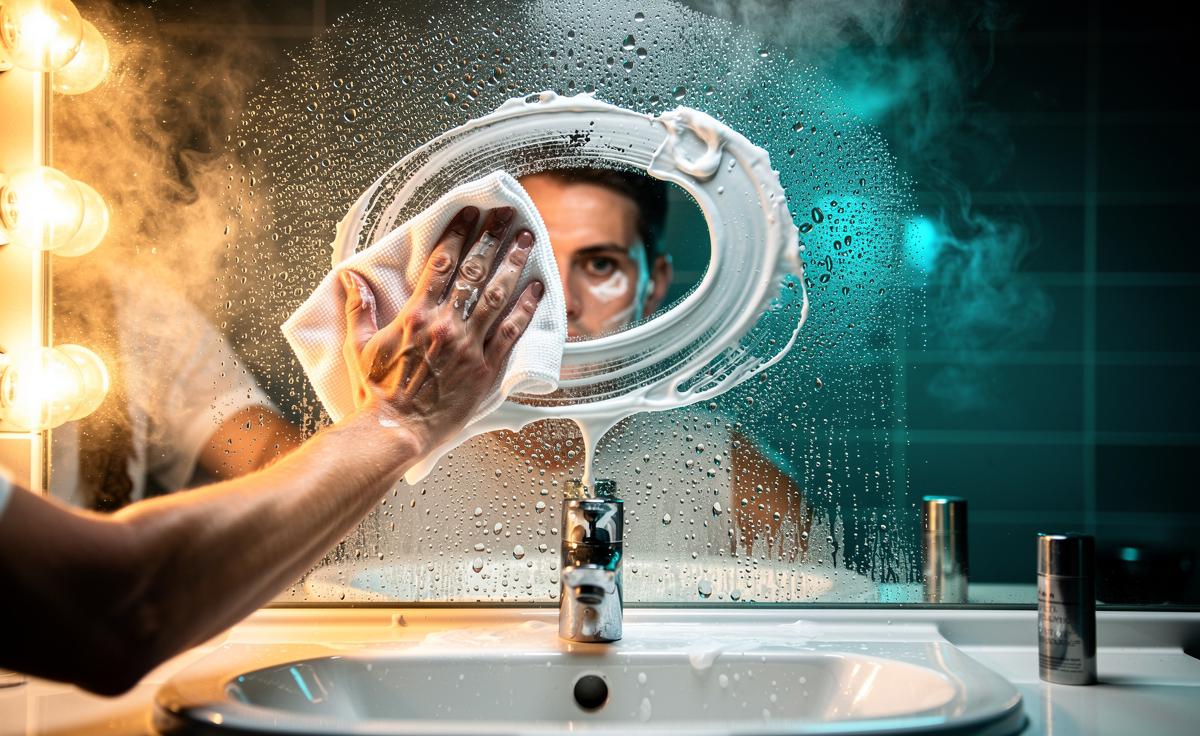
Bathroom mirrors fog up at the worst moment, stealing minutes from already tight mornings. There’s a cheap, fast fix hiding in your washbag: shaving cream. A pea-sized dab transforms glass, creating a transparent film that resists condensation so you can shave, do make-up, or fix a tie without smears. It isn’t a gimmick. It’s chemistry meeting routine. The trick is applying it correctly, using the right cloth, and knowing when to refresh the coating before it fails. Done right, the effect is instant and reliable. Here’s how to clear foggy mirrors with shaving cream, why it works, and how to keep the results lasting through steamy showers and hectic school runs.
Why Shaving Cream Works on Steam
Fog forms when warm, moist air collides with a cool mirror and tiny droplets scatter light. Shaving cream contains surfactants and fatty acids (think stearic acid, glycerin, and soaps) that bond loosely to glass, creating an ultra-thin film. This film changes how water behaves. Instead of forming beads that diffuse light and look milky, moisture spreads into a near-invisible sheet. The mirror looks clear because light can pass through evenly. The goal isn’t to repel water entirely; it’s to stop it forming those light-scattering droplets. That’s why a properly buffed coat of shaving cream looks like nothing at all—until it matters.
Not all foams are equal. Classic white foam tends to leave the most stable film, while some clear gels carry more humectants and can smear if overused. Scented creams are fine, but fragrance-free options are kinder for sensitive skin and shared spaces. The film is temporary, yet effective. Expect days to a couple of weeks depending on shower frequency, ventilation, and how often the mirror is wiped.
Step-by-Step: A Two-Minute Anti-Fog Routine
1) Start with a cool, dry mirror. Steam or residual moisture disrupts the film. If needed, quickly clean with a glass-safe spray and let it dry. Preparation is half the trick.
2) Dab, don’t dollop. Use a pea-sized amount of white shaving foam for a standard bathroom mirror; a bit more for giant vanities. Spread it with your fingertips in overlapping circles. Aim for a thin, hazy veil—no clumps, no ridges.
3) Buff to clarity. Using a clean microfibre cloth, polish until the glass looks pristine. Keep buffing past “looks okay” into “looks invisible.” That extra 10 seconds matters. Any streaks you see now will become cloudy bands when hit with steam.
4) Test it. Run a hot shower for a minute or waft warm, damp air at the glass. If a patch fogs, you missed a spot or left excess residue. Reapply lightly and rebuff. Thin and even beats thick and slick every time.
5) Maintain sensibly. After showers, avoid wiping the mirror with a damp towel, which erodes the film. When clarity fades, repeat the routine. Most households find a weekly top-up sufficient.
Longevity, Safety, and Common Mistakes
How long it lasts. In a well-ventilated bathroom, a single application can hold for 5–10 showers. High humidity, daily wiping, or abrasive cloths cut that down. Treat it like a windscreen anti-fog—regular, quick refreshes beat heroic, infrequent attempts. Consistency preserves clarity.
Safety notes. On standard glass mirrors, shaving cream is benign. Avoid scrubbing cream into the silvered edges at the back; moisture and any cleaner can stress that delicate backing over time. If your mirror has a manufacturer’s anti-fog coating, check guidance before adding anything. Layering products may cause streaking or void warranties.
Common mistakes to avoid: Using too much product (leads to smears), applying to a damp surface (patchy performance), skipping the buff (streaks appear under steam), and cleaning with vinegar or ammonia immediately after application (they strip the film). Choose a soft, lint-free microfibre; paper towels can shed fibres and dull the finish. If you notice hazy halos, you likely need a deeper clean first to remove soap scum or silicone residue before reapplying.
| Step | Amount | Tool | Time | Expected Longevity |
|---|---|---|---|---|
| Apply foam | Pea-sized | Fingertips | 20–30 sec | 5–10 showers per coat |
| Buff clear | Very thin film | Microfibre cloth | 40–60 sec | |
| Quick test | — | Warm breath/steam | 10–20 sec |
Smart Alternatives and When to Use Them
Shaving cream is cheap and quick, but not the only route. Dishwashing liquid (a drop diluted with water, applied and buffed) creates a similar surfactant film. It’s thinner, so it may fade faster, yet it’s brilliant for travel or rentals. Carnauba-based car wax gives a longer-lived hydrophobic layer; use sparingly and test a corner first, as some waxes can smear on mirror glass if overapplied. Dedicated anti-fog sprays are consistent and fast-drying, ideal for households where mirrors fog repeatedly through the day.
If you’d rather prevent fog at the source, improve ventilation: run the extractor for 15 minutes post-shower, crack the door, or lower water temperature slightly. Warming the mirror with a quick blast from a hairdryer before showering helps, though it’s less energy-efficient. For permanent solutions, consider a heated demister pad behind the mirror. Use a routine that suits your bathroom’s rhythm, not just its aesthetics. The best method is the one you’ll actually keep doing.
With a fingertip of foam and a minute of buffing, your mirror can shrug off clouds like a raincoat shedding drizzle. The science is simple, the habit quick, the payoff immediate. Apply thin, buff clear, refresh when needed. That’s the whole story—no gadgets, no faff, no waiting for the steam to settle. You’ll step from the shower to a crisp reflection every time. What will you try first: the classic shaving-cream trick, a purpose-made anti-fog spray, or a small tweak to your bathroom’s airflow to keep the glass clear day after day?
Did you like it?4.4/5 (20)