In a nutshell
- ⏱️ Fast chemistry: sodium bicarbonate neutralises volatile acids and protonates amines, reducing volatility; large surface area plus fridge airflow delivers a noticeable odour drop in 10 minutes.
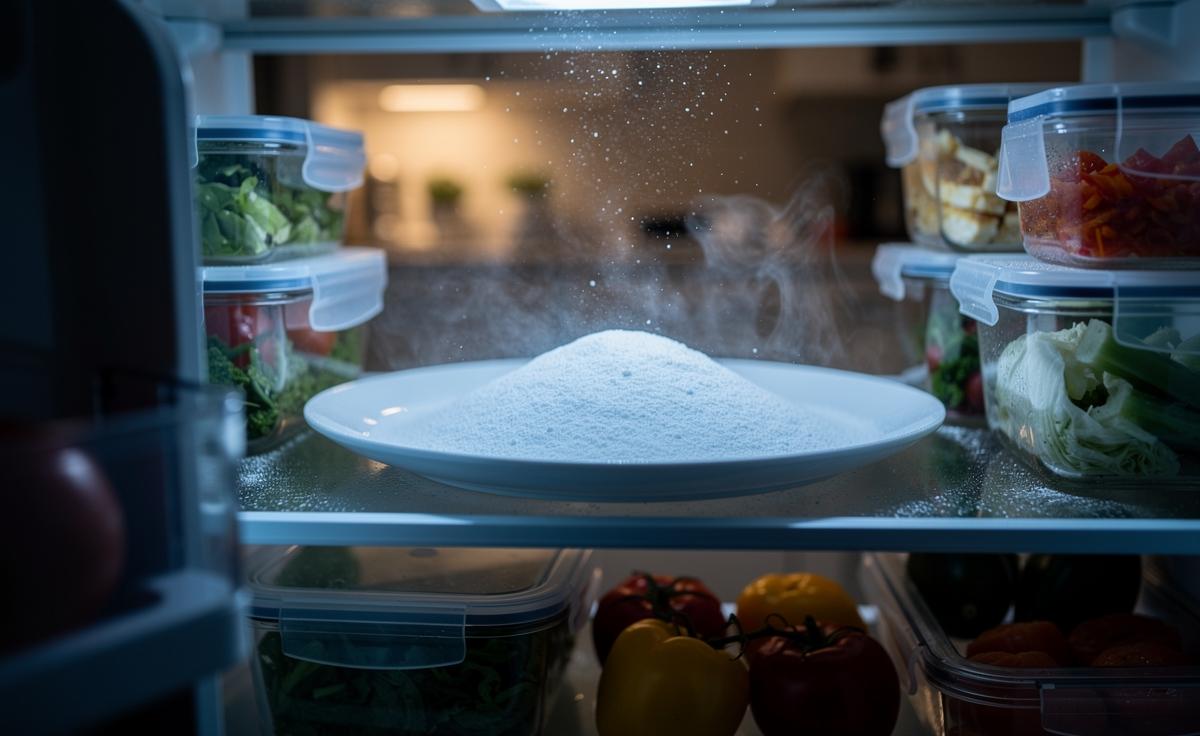
- 🍽️ Ten-minute method: remove spoilers, wipe spills, spread 4–6 tablespoons in a thin layer on a wide plate, place on the middle shelf, close the door for 10 minutes, then leave for 24 hours if needed.
- 📍 Placement and safety: use a central shelf with clearance, avoid vents and uncovered food, consider a perforated container; Do not consume used soda; replace roughly monthly and don’t “reactivate” by baking.
- 🛠️ Troubleshooting persistent odours: clean the drip tray, clear the drain hole, scrub the gasket, set temps to 3–5°C (main) and below 2°C (meat drawer), seal containers, and add activated charcoal if needed.
- 📊 Key parameters at a glance: Amount 4–6 tbsp, thin layer on a wide plate, time 10 minutes with door shut; if powder cakes, it’s moist—stir or replace.
Open the fridge and catch a whiff of yesterday’s leftovers? Reach for baking soda. The humble powder on your baking shelf is a quiet workhorse, able to tame a sour pong or fishy fug with disarming speed. In practical kitchen tests, a fresh, thin layer of sodium bicarbonate noticeably mutes harsh smells in about ten minutes, buying time before a deeper clean. It’s safe, cheap, and doesn’t perfume the air; it simply makes the odour molecules less volatile. For a fast reset, surface area matters more than quantity. Here’s how it works, why it’s so quick, and the exact method to deodorise your fridge without fuss.
Why Baking Soda Works in Minutes
Baking soda, or sodium bicarbonate, tackles odours through two complementary mechanisms. First, it neutralises volatile acids such as acetic or butyric acid that create sharp, vinegary or rancid notes. When these molecules meet bicarbonate, they form less smelly salts and a small amount of carbon dioxide. Second, bicarbonate acts as a gentle buffer and mild acid source, which can protonate amines responsible for fishy or ammonia-like smells, reducing their volatility. The result is a rapid drop in airborne odour intensity. The speed is not magic; it’s chemistry plus clever exposure.
The powder’s fine particles provide a large surface area, so more odour molecules collide with active sites in a short window. Fridge fans continually move air, sweeping smells over the soda and accelerating contact. Humidity helps too: odour molecules dissolved in a thin moisture film on the powder react more readily. Spread the soda thinly to maximise exposure and keep it dry enough to avoid clumping. Used this way, bicarbonate doesn’t mask; it neutralises. That’s why it can deliver a perceptible improvement in just ten minutes, then keep working quietly for days.
The Ten-Minute Deodorising Method
First, do a one-minute triage. Remove anything obviously spoiled, cap pungent containers, and dab visible spills with warm water and a touch of washing-up liquid. Dry quickly with a clean cloth. Now the accelerator: scatter 4–6 tablespoons of fresh baking soda in a wide, shallow dish or on a clean dinner plate. Crush any lumps. Place it on the middle shelf, with a second small dish in the salad drawer if smells linger there. Close the door. Leave the fridge running and the door shut to let airflow work for you.
Wait ten minutes. The fan circulates air across that broad powder bed, and the worst top notes fade fast. Open and sniff-test. If the odour is largely gone, keep the dish in place for a day to mop up residual whiffs. If you still catch stubborn notes, refresh the powder and repeat for another ten minutes. For ongoing defence, decant a cup of soda into a shallow container with perforations and park it at the back, away from spills. It’s a simple intervention that delivers a quick, noticeable reset without scenting your food.
| Parameter | Recommendation | Why It Matters |
|---|---|---|
| Amount | 4–6 tbsp for a quick fix | Sufficient active sites without waste |
| Surface area | Thin layer on a wide plate | Maximises contact with circulating air |
| Time | 10 minutes closed door | Allows fans to sweep odours over soda |
| Follow-up | Leave dish for 24 hours | Mops up lingering base notes |
Placement, Maintenance, and Safety
Put the main dish on a central shelf where airflow is strongest, with clearance above and below. Avoid stacking directly under vents where powder could gust; instead, aim for steady exposure. Keep the dish away from uncovered food to prevent dusting, and consider a shallow container with mesh or punched foil for longer-term use. Do not cook with or consume baking soda that has been used to deodorise; once it’s absorbed odours, it should be treated as spent.
Replace your deodorising supply roughly monthly, or sooner if the fridge is working overtime on fish, cured meats, or ripe cheeses. Label the container with the date. If the powder cakes, it’s saturated with moisture; stir to refresh the surface or swap it out. Resist “reactivating” by baking at high heat: heating turns bicarbonate into sodium carbonate, great for cleaning but less suitable for gentle odour control. For safety, keep the powder dry, stable, and out of reach of small children. It’s food-safe, but it’s not a garnish. Simple placement and regular refreshes keep performance consistent.
When Smells Persist: Root Causes and Fixes
Ten minutes of baking soda should tame routine odours. If the smell fights back, track the source. Check the drip tray behind or beneath the fridge; stagnant water breeds funk. Clear the drain hole at the back of the cabinet with a cotton bud or the supplied pin to stop sour puddles forming under the crisper. Inspect the door gasket for mould; wipe with hot, soapy water and dry. Verify temperature: aim for 3–5°C in the main compartment and below 2°C for the meat drawer. Warmer fridges breed bacteria fast.
Seal containers that vent strong odours, especially fish and aromatics. If a leak has soaked a shelf edge or frame, remove trims and clean hidden channels. For persistent fishy or smoky notes, pair baking soda with activated charcoal in a separate dish for a week; charcoal adsorbs a broader range of compounds. If you notice chemical or solvent-like smells, unplug, ventilate, and call a professional—those are not food odours. Odour control is most effective when chemistry and housekeeping work together, with baking soda providing a fast, quiet assist while you fix the root cause.
Baking soda is the fridge’s first responder: fast, calm, and unscented. A thin layer, smart placement, and ten quiet minutes will soften even assertive smells, giving you breathing space to tidy up and track the culprit. Keep a dish in reserve for busy cooking weeks and refresh it regularly for steady defence. For deep, lingering odours, combine bicarbonate with good hygiene and, if needed, a charcoal topper. Small habits prevent big whiffs. What’s your go-to tactic for stubborn fridge smells, and which shelf seems to harbour the worst offenders in your kitchen?
Did you like it?4.5/5 (23)