In a nutshell
- ⚡ Neutralises odours in about two minutes via dual action: citric acid protonates amines and limonene dissolves greasy carriers, cutting volatility rather than masking.
- 🧪 Science-backed: low pH (~2) shifts chemical equilibria and chelates metals that drive rancid smells; fastest on non-porous surfaces with good ventilation.
- 🧰 Two-minute methods: salt + halved lemon for boards/pans; microwave steam with slices; fridge/bin peels; drains with peel + hot water; gentle wafting for fabrics—always spot-test.
- 🚫 Limits & safety: avoid acids on natural stone, rinse metals, never mix with bleach, and beware photosensitivity from citrus oils; deep smoke or mould needs specialist cleaners.
- 📊 Practical expectations: odour types mapped to lemon components with results in 30–180 seconds; combine lemon with abrasion, heat, and airflow for best outcomes.
The scent of fresh lemon can reset a room in moments, yet the magic is more than perfumery. It’s chemistry at work. Slice a lemon and you release a cocktail of citric acid and fragrant terpenes that latch onto stubborn molecules and make them vanish from your nose’s radar. Whether you’re battling last night’s fish, a musty cupboard, or a whiffy bin, this citrus acts fast. Very fast. In many household settings, two minutes is all you need to neutralise surface odours. Here’s why lemon works, how to deploy it in a flash, and where its limits begin—so you can reclaim crisp, clean air without harsh cleaners.
Why Lemon Works So Fast
Speed comes from synergy. The fruit’s low pH (around 2) changes the charge and volatility of smelly compounds, while its oils do the heavy lifting on grease-bound odours. Citric acid protonates basic molecules such as amines from fish or stale food, turning them into less volatile salts your nose barely detects. Limonene, the main terpene in zest, dissolves oily films that trap smells on cutting boards, bins, and cooker hoods. Remove the film, remove the stink. Simple. This dual action—acid plus solvent—explains the “two-minute turnaround” many home cooks swear by.
There’s more. Acid chelates trace metals that catalyse rancid, fatty odours, slowing the chemistry that makes kitchens smell “old”. The citrus aroma then masks any faint remnants while air circulation does the rest. You’re not just covering up; you’re shifting the equilibrium so fewer odour molecules reach the air. On non-porous surfaces, the effect is almost immediate. On porous materials, diffusion takes longer. Still, a brisk rub with a halved lemon, a quick wipe, and some ventilation often resets a room before the kettle boils. Odour neutralisation is a chemical reroute, not a perfume trick.
Two-Minute Methods for Every Room
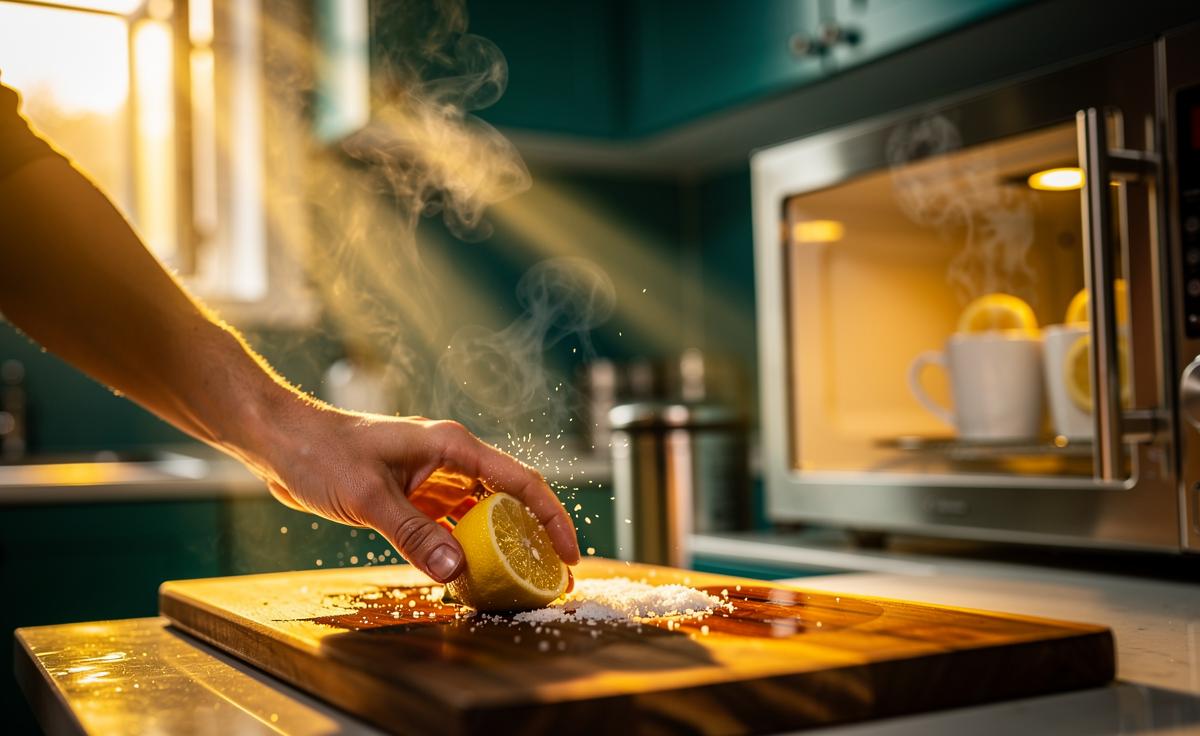
Kitchen quick fix: for fishy pans or chopping boards, sprinkle with fine salt, scrub with a halved lemon, wait 60 seconds, then rinse and dry. The salt abrades, the juice acidifies, and the zest oils degrease. For microwave funk, float two lemon slices in a mug of water, heat for 90 seconds, leave the door closed for 30 seconds, then wipe—steam lifts residues while oils perfume the cavity. Use this after reheating curries or onion-heavy leftovers.
Fridge and bin: drop a few lemon peels under the liner of a clean bin or place a small dish with fresh juice on a shelf. Two minutes clears the air; an hour gives deeper impact. For drains or disposals, run hot water, then feed in peel while the motor whirs—oils scour biofilm and knock back sulphurous notes. Ventilation plus lemon accelerates results, so crack a window where possible.
Soft furnishings and clothes: press a zest twist over a tissue to release oil, then waft above the fabric while airing by an open window; follow with a dry cloth. Avoid soaking. For gym shoes, a teaspoon of bicarbonate inside each shoe overnight, then a rub of lemon on the insole surface for two minutes before wear works wonders. Always spot-test delicate finishes in a hidden area. Keep citrus away from natural stone and untreated wood unless fully sealed.
The Science in Brief: Odour Types and Lemon’s Countermoves
Different smells yield to different tools in the lemon arsenal. Acid tames alkaline odours; terpenes tackle greasy carriers; water and heat help move everything along. The table below matches common culprits with the citrus components that neutralise them and the results you can expect on a two-minute clock.
| Odour Type | Likely Chemistry | Lemon Component | How It Helps | Time to Notice |
|---|---|---|---|---|
| Fishy surfaces | Amines (basic) | Citric acid | Protonates amines into low-volatility salts | 30–120 seconds |
| Greasy kitchen funk | Fatty residues trapping VOCs | Limonene-rich oil | Dissolves grease, lifts trapped smells | 60–120 seconds |
| Bin and drain whiff | Sulphur and anaerobic notes | Acid + oil + heat | Disrupts biofilm, masks sulphur notes | 90–180 seconds |
| Musty cupboard | Stale, slightly acidic VOCs | Fresh zest + airflow | Adsorption on tissues; masking | 1–3 minutes |
Two minutes is a realistic target for hard, wipeable surfaces and airspace refreshes. Porous fabrics require more patience because odour molecules hide in fibres. Combine lemon with mechanical action—heat, abrasion, airflow—for the punchiest results. And remember: clean first, deodorise second. Dirt shields smell. Lemon simply finishes the job with elegant chemistry.
Limits, Safety, and Smarter Pairings
Lemon is potent, not omnipotent. Persistent smoke, mould, or pet accidents embed deep; they need laundering, enzymatic cleaners, or professional remediation. Never mix lemon (or any acid) with bleach—this can release chlorine gas. Avoid prolonged contact with natural stone like marble, limestone, or concrete; acid etches the surface. Rinse metals after contact to prevent tarnish. Skin can be photosensitive after citrus oil exposure, so wash hands before heading into sunlight.
Pairing helps. For fridges and fabrics, use bicarbonate of soda as a long-term absorber and lemon for fast resets. Hot water plus lemon strips biofilm from drains; a final flush keeps it clear. Microwaves respond best to steam with a slice or two—minimal juice, maximum vapour. Store peels in the freezer to deploy as needed; they retain oil for weeks. Dispose responsibly—peels compost beautifully. Aim for contact, then clearance: apply lemon, give it up to two minutes, wipe, and ventilate. That rhythm keeps odours at bay without heavy-duty chemicals, and it’s cost-effective to boot.
In a world of spray-and-pray deodorisers, lemon offers speed, clarity, and a clean conscience. It changes the chemistry of bad smells instead of smothering them, and it does so in the time it takes to stir a cuppa. Keep a few slices, a zest twist, and some salt to hand and you’re armed for most domestic stinkers. Small fruit, big shift. What odour challenge will you put to the two-minute lemon test first—your microwave, your bin, or that stubborn chopping board?
Did you like it?4.5/5 (26)