In a nutshell
- 🏠 Strengthen the shell: inspect and fix roof tiles, clear gutters, renew lead flashing, replace door/window seals, repoint weak mortar, and ensure the damp-proof course isn’t bridged.
- ⚡ Keep essentials running: book a boiler service, add pipe insulation, test RCDs and carbon monoxide alarms, prep battery packs/UPS, and follow safe generator use only with proper changeover.
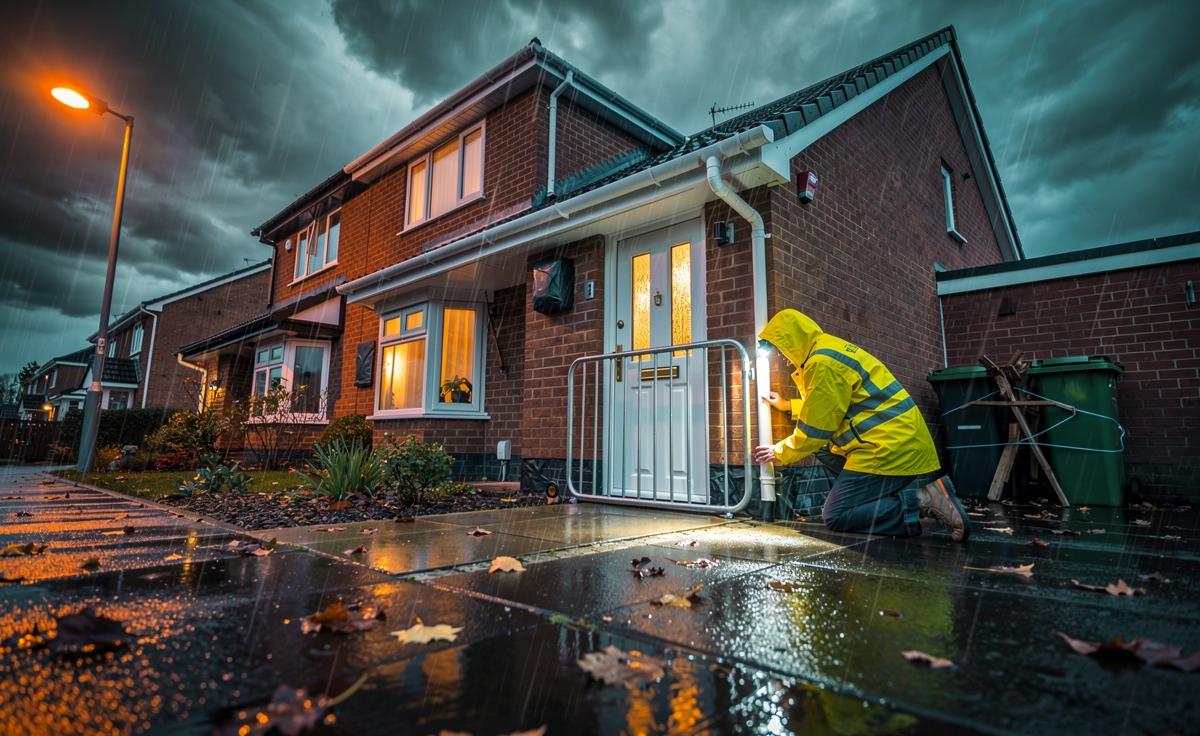
- 🌊 Manage flood and wind: fit door barriers and airbrick covers, install non-return valves, raise valuables, secure gardens and sheds, prune trees, and pack a ready go-bag.
- 📋 Prioritise the high-impact fixes: Roof & gutters, heating, and electrics first; then water resilience and comms continuity for alerts and work.
- 📝 Get the paperwork and people plan right: photograph assets, check storm and flood cover, keep receipts for risk reduction, coordinate a neighbour/WhatsApp network, and rehearse a simple family plan.
Britain is bracing for a bruiser. With sea temperatures elevated and jet stream kinks sharpening, forecasters warn of unprecedented winter storms that can clobber homes from Cornwall to Caithness. Roofs. Drains. Power. The weak link fails first. Your task is simple but urgent: pinpoint vulnerabilities before the first red warning. This guide blends on-the-ground reporting with practical fixes you can do today, and signposts when to call a professional. Preparation buys time, keeps you warmer, and reduces claims pain. Spend an hour now; save a week later. Here’s what to check, what to upgrade, and how to plan for those nights when the wind sounds like a freight train.
Weatherproofing the Envelope: Roofs, Windows, and Walls
Your roof is mission-critical. Scan for missing or slipped tiles, cracked ridge mortar, and split felt at the eaves. Binoculars help. If water has marked loft timbers, act. Ask a roofer to refix tiles and renew lead flashing where chimneys meet slates—tiny gaps become torrents in horizontal rain. Clear gutters and downpipes; a handful of leaves can cascade water into brickwork. Overflowing gutters are the fastest route to internal damp patches. Check fascia boards for rot and ensure brackets are tight; gale-borne branches can wrench a loose run clean off.
Windows and doors must seal like a hatch. Replace perished rubber seals, adjust hinges so doors latch without force, and add discreet brush strips at thresholds. Draughts cost comfort and money, but so does trapped moisture: keep trickle vents open to prevent condensation blooming into mould. Inspect mortar joints and repoint where weathered; hairline cracks admit wind-driven rain. In older homes, verify the damp-proof course isn’t bridged by soil or drive chippings. Consider cavity wall insulation top-ups only after a damp survey, especially in exposed coastal or moorland locations. A tight, well-ventilated shell beats a sealed, sweaty one every time.
Power, Heat, and Water: Keeping Essentials Running
Storms turn modern life off at the mains. Service your boiler now; a 30-minute check can avert a breakdown in sub-zero wind chill. Bleed radiators. Lag exposed pipes and the loft tank; pipe insulation is cheap and prevents burst misery. Test smoke and carbon monoxide alarms. For power cuts, a compact battery pack keeps phones, lamps, and the router alive. If you use a generator, site it outdoors, run leads through a window, and never backfeed the house—your consumer unit requires a qualified electrician and proper changeover. Safety first: RCD protection and ventilation save lives.
Water resilience matters too. Learn the stop tap’s location and make sure it turns. Fit non-return valves on low-level drains to stop foul water surges. Keep a stash of potable water, and store a kettle that works on gas or camping fuel—used safely with ventilation. The loft should have at least 270 mm of insulation to hold heat when the grid falters. For daily continuity, a small UPS on your broadband hub keeps news, alerts, and work running. Below is a quick-reference matrix for urgent checks.
| System | Quick Check | Priority |
|---|---|---|
| Roof & Gutters | Missing tiles, blocked downpipes | High |
| Heating | Boiler service, bleed radiators | High |
| Electrics | Test RCD, prepare battery pack | High |
| Water | Locate stop tap, lag pipes | Medium |
| Comms | UPS for router, spare cables | Medium |
Flood and Wind Risks: Practical Steps Room by Room
First, know your risk. Check the Environment Agency flood map and Met Office warnings. If you’re in a low-lying street, pre-fit demountable door barriers and keep airbrick covers to hand. Sandbags are slow and soggy; modern water-activated barriers are lighter and stack faster. In ground-floor rooms, raise appliances on plinths, move rugs, and store documents high. Fit non-return valves under sinks; backflow is foul, literally. Minutes saved in setup can prevent months of tear-out and drying. Keep a wet/dry vacuum where you can reach it, not buried behind Christmas boxes.
Wind is an equal-opportunity wrecker. Walk the garden: secure fence panels, anchor the trampoline, and add storm straps to sheds. Prune overhanging branches now, using a qualified arborist near power lines. Brace lightweight garage doors; many buckle inward and then the roof follows. Check aerial fixings and satellite mounts. Bring bins and planters inside before a warning; projectiles break glass. Park the car away from trees and on higher ground if floods threaten. Pack a go-bag: torches, headlamps, medications, warm layers, pet leads, copies of IDs. When the warning pings, you shouldn’t be hunting for batteries.
Insurance, Budget, and the Human Plan
Paperwork is resilience. Photograph rooms, serial numbers, and the outside of the house today; store copies in the cloud. Check your policy’s storm and flood cover, excesses, and home emergency add-ons. Are outbuildings included? What about spoiled freezer contents after a cut? Keep receipts for preventative work—insurers increasingly reward risk reduction. Build a modest budget for fixes with the best return: guttering, pipe lagging, seal kits, alarms. Small spends now outrun big losses later.
People matter most. Share a family plan: who grabs the go-bag, who checks neighbours, who handles the dog. Create a local WhatsApp group and add vulnerable residents; information moves quicker than sirens. Stick a paper list of critical numbers on the fridge—energy supplier, water company, insurer, trusted trades. Practise a dark-house drill: kill candles before bed, use battery lanterns, and ventilate any flame heaters. Keep spare glasses and essential meds duplicated. Charge power banks when a yellow warning appears. In short, give chaos less to work with by rehearsing calm.
Storms don’t negotiate. Homes that ride them out share a pattern: tight roofs, clear drains, heat that holds, and a plan everyone can follow at 2 a.m. The fixes are not glamorous, but they’re fast, human-scale, and surprisingly affordable. Do one thing today, three things this week, and sleep easier when the next squall line barrels in. So, is your home truly ready for this winter’s unprecedented storms, or will the weather decide your timetable—what will you tackle first?
Did you like it?4.6/5 (29)