In a nutshell
- 🍋 Instant polish: a quick rub with lemon rind lifts fresh water spots and fingerprints on chrome and stainless steel.
- 🔬 How it works: citric acid dissolves mineral deposits (limescale) while the textured pith provides gentle abrasion; essential oils cut grease.
- 🧽 Simple method: test first, rub in circles, hold 20–30 seconds on stubborn areas, then rinse and dry to prevent streaks and protect finishes.
- ⚠️ Surface safety: good for chrome/stainless; avoid or test on nickel, pewter, lacquered or “living” finishes, and keep acids off natural stone.
- 🌱 Cost and sustainability: uses kitchen waste, is low-cost and biodegradable; ideal for daily maintenance, with a descaler still best for heavy build-up.
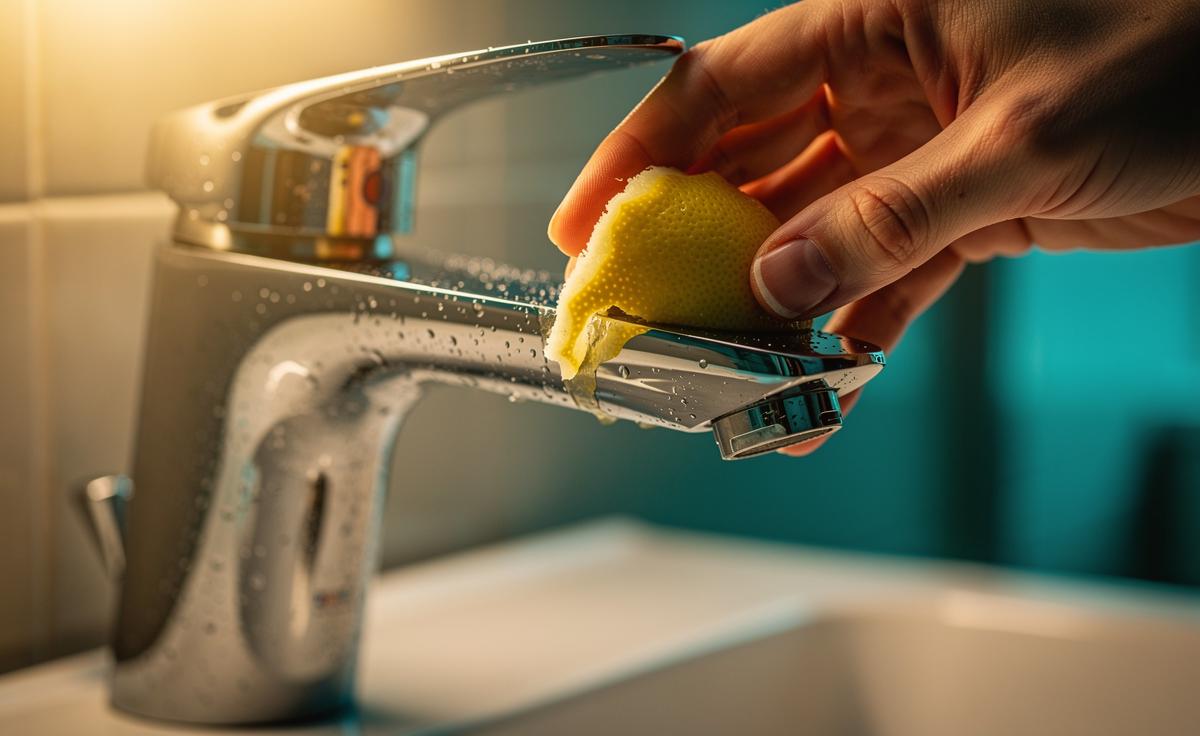
Britain’s hard water has a way of branding bathrooms with dull halos and crusty rings, but there’s a thrifty fix waiting in the fruit bowl. Take the spent lemon rind from your tea or salad, rub it across a spotted tap, and watch the surface change character. It’s quick. It’s tactile. It smells good. In many cases, a 10-second rub melts fresh water spots and restores easy gleam. The trick depends on chemistry as much as elbow grease, and it favours chrome and stainless steel. For households tired of fussing with aerosols, this humble peel offers a smart, eco-lean alternative that slots into daily routines.
Why Lemon Rind Works on Taps
The secret inside a humble peel is citric acid. Those micro-pockets of acidity latch onto the alkaline minerals in hard-water residue — chiefly calcium and magnesium — dissolving the bonds that make limescale feel gritty and look matte. At the same time, the rind’s textured pith provides a gentle mechanical polish. That dual action — chemical and physical — is what makes results feel almost instant on light spots.
There’s another, quieter helper: essential oils in the zest. They act like a mild solvent for greasy fingerprints, the smears that exaggerate every splash. On chrome and stainless steel, that combination lifts the film that dulls reflectivity, so you see clarity return as you buff.
Water chemistry matters. In very hard-water areas, deposits form quickly and bite harder. Here, fresh spots surrender fast, while older scale may need a slower, repeated pass. Safe use is simple: apply, wait a moment, rinse, then dry. Drying is pivotal — it prevents new spots and stops acid lingering on delicate finishes.
Step-By-Step: From Rind to Shine
Start with a rinsed, wrung microfibre cloth and a clean lemon rind — half a lemon after juicing works nicely. Wipe the tap with the damp cloth to remove grit that could scratch. Always test on a small, inconspicuous patch first if your tap is coated or antiqued.
Pinch the rind to express a bead of juice onto the pith, then rub the tap in small circles. Aim for the bases and backs where droplets dry into faint rings. For stubborn build-up at the aerator or around joints, hold the rind against the area for 20–30 seconds to let the citric acid work. You’ll often see a haze break apart under your fingers.
Rinse with warm water to carry away loosened mineral salts. Buff dry with the microfibre until the metal feels slick. This final buff is what turns “clean” into “polished”, because it aligns the water film and lifts any residual oils. If you skip rinsing and drying, you risk streaks and unnecessary etching time on delicate finishes.
Finish smart: twist the lemon rind into the sink, give the basin a quick swipe, then compost the peel. Minimal waste, maximum shine, and no synthetic fragrances hanging in the air.
What to Use It On — And When Not To
As a rule, plain chrome and stainless steel welcome acidity in short bursts; bare brass can as well, though it may brighten unevenly if lacquer is worn. On the caution list: nickel, pewter, and many dark or “living” finishes that are intentionally soft or reactive. Acid can cloud or strip these in minutes. Avoid contact with natural stone worktops such as marble, limestone, and some granites, where acid will etch the surface.
Use the table below as a quick guide before you rub:
| Surface | Effect of Lemon Rind | Contact Time | Notes |
|---|---|---|---|
| Chrome | Removes water spots; bright polish | 10–30 seconds | Rinse and dry to avoid streaks |
| Stainless Steel | Dissolves light scale; degreases | 10–45 seconds | Buff with microfibre for sheen |
| Lacquered Brass | Variable; may dull lacquer | Test only | Stop if finish softens |
| Nickel/Pewter | Risk of clouding | Avoid | Use pH-neutral cleaner |
| Natural Stone Nearby | Etching hazard | Avoid | Mask surfaces first |
When in doubt, short contact, immediate rinse, thorough dry. That rhythm keeps the acid doing targeted work while protecting sensitive finishes and surrounding materials.
Cost, Sustainability, and Results Versus Cleaners
In a cost-of-living squeeze, the appeal is obvious: the peel is a by-product you already own. Compared with a under-sink arsenal of sprays, a piece of lemon rind costs pennies and leaves no harsh residue. The active ingredient, citric acid, is biodegradable, and the fragrance flashes off without the synthetics that can irritate sensitive noses. It’s a small, circular act — cleaning powered by kitchen waste.
Performance stacks up well for day-to-day shine. Fresh spots disappear, fingerprints lift, and the finish feels newly slick under the cloth. For cemented limescale around aerators, you may still want a targeted soak, whether with a citric acid solution or a purpose-made descaler. Think of the rind as maintenance, not heavy demolition.
There’s also the ritual. A quick swipe after evening dishes or the morning brew keeps taps presentable, preventing the build-up that demands harsher chemistry later. Little and often beats big and brutal. It’s a habit that saves money, reduces packaging, and keeps bathrooms guest-ready with a single, citrus-scented minute.
Used thoughtfully, a lemon rind turns the daily battle with hard water into an easy win: fast, fragrant, and kind to chrome. Treat sensitive finishes with respect, rinse and dry as standard, and keep the peel moving. The result is consistent shine without the cabinet full of products. Ready to try the fruit-bowl fix on your own taps — and which surface in your home will you test first?
Did you like it?4.5/5 (29)