In a nutshell
- 🧪 The trick works via galvanic action: wet aluminium foil donates electrons, its aluminium oxide acts as a micro-abrasive, lifting rust while staying gentle on chrome.
- 🛠️ Step-by-step: wash, use crumpled foil kept wet, apply light scrubbing in small circles, wipe and inspect often, then dry thoroughly and seal with wax or light oil.
- ⚠️ Safety and limits: test a hidden spot, avoid lacquered/painted trims and soft aluminium parts, don’t use on hot surfaces, and note foil can’t fix deep pitting where plating has failed.
- ⏱️ Quick wins: taps (3–5 min), bike rims (5–10), car bumpers (10–20); best for hard, glossy chrome; alternatives include vinegar/citric acid gels, cola, or commercial removers.
- 🧰 Essentials: aluminium foil, water/soapy water, microfibre cloth, and wax; remember the golden rule—keep it wet and use a feather-light touch.
Rust never sleeps, but it can be dislodged fast. If you’ve glimpsed orange specks on a bicycle rim, chrome tap, or a vintage car bumper, you’ve likely feared the worst. Don’t. A sheet of everyday aluminium foil, a splash of water, and light scrubbing can restore lost lustre in minutes. It’s budget-friendly, oddly satisfying, and surprisingly gentle on chrome plating. The results feel like a magic trick, yet they’re rooted in simple chemistry and smart technique. Always work slowly and observe the surface. With the right touch, you’ll lift oxidation, polish the metal, and bring back that prized mirror finish without reaching for harsh chemicals or expensive kits.
Why Aluminium Foil Beats Rust on Chrome
On chrome-plated parts, rust typically forms where the plating is thin or scratched, letting iron underneath oxidise. Enter aluminium foil. It sits lower than iron on the galvanic series, meaning it readily gives up electrons in the presence of an electrolyte like water. This gentle galvanic action helps reduce iron oxides while a film of aluminium oxide forms on the foil’s surface. That oxide acts as a micro-abrasive, buffing the rust without the harshness of steel wool. Result: brown stains lift, sheen returns, and chrome remains intact.
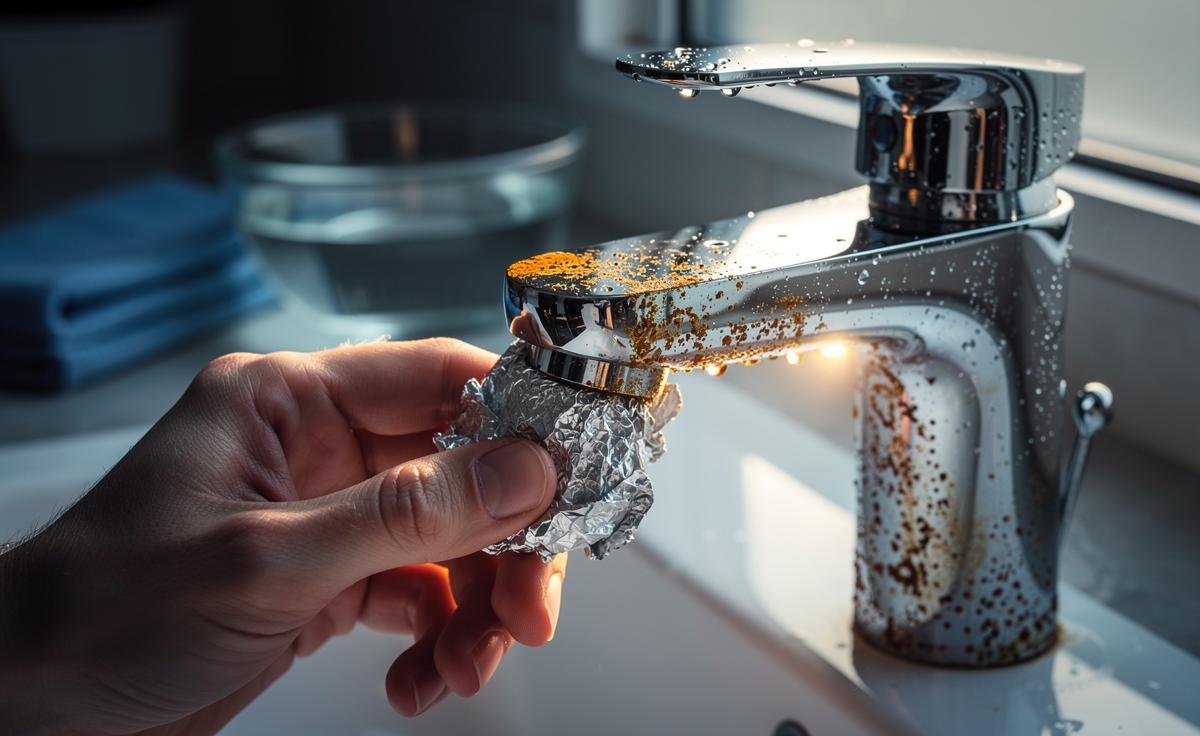
Always keep the foil wet. The moisture lubricates and carries away loosened oxides, minimising swirl marks. Use small, circular motions and feather-light pressure. You’re not grinding; you’re persuading. In many cases the residue turns black—evidence of oxides being transferred and broken down. Wipe and inspect periodically. Compared with abrasive pads, foil is softer than chrome, so it’s kinder when used correctly. This blend of chemistry and finesse explains why the trick works quickly, often in less time than it takes to fetch a specialised cleaner from the shed.
Step-By-Step: From Dull Spots to Mirror Shine
Preparation matters. Start by washing the part with mild soap to remove grit that could scratch. Tear a palm-sized piece of aluminium foil, crumple it loosely for texture, and dip it in clean water. Never scrub dry. On a small test area, rub gently in overlapping circles. The foil will glide as the water acts as lubrication and electrolyte. If stains prove stubborn, refresh the water or add a drop of washing-up liquid. Streaks turning grey-black? Good—those are oxides lifting.
Pause often to wipe with a microfibre cloth and check progress under good light. Re-wet the foil and repeat only where rust remains. For tight crevices, fold a sharp edge into the foil to target lines without scuffing nearby surfaces. Once the rust is gone, rinse thoroughly and dry with a fresh cloth. Drying is crucial to prevent flash rust. Finish by sealing with a thin coat of wax or light oil to slow future oxidation. Small job. Big payoff. And usually under ten minutes for typical bathroom fixtures or bicycle rims, provided the rust hasn’t eaten deep into the base metal.
| Item | Role | Notes |
|---|---|---|
| Aluminium foil | Mild abrasive and electron donor | Use crumpled, always wet |
| Water/soapy water | Electrolyte and lubricant | Essential to avoid scratches |
| Microfibre cloth | Wipe residue, polish | Check progress frequently |
| Wax or light oil | Seal and protect | Apply thin, buff dry |
Safety, Limitations, and When Not to Use It
This trick excels on chrome-plated steel and many nickel finishes. But it isn’t universal. Avoid lacquered or painted trims—the foil can catch an edge and lift the coating. On brushed stainless steel, the reflective polishing effect may blur the grain. Test on an inconspicuous spot first. If you see dulling, stop immediately. For aluminium parts, skip foil and use a non-scratching metal polish; you don’t want to create galling on soft alloys. Extremely pitted rust indicates deeper damage where the plating has failed—foil can tidy the look but can’t rebuild missing metal.
Mind temperature and contamination. Do not use on hot surfaces, as rapid drying can drag grit and mark the finish. Keep fresh water to flush any particles. Swap foil pieces as they load up. If you suspect previous harsh cleaning, tiny micro-cracks may exist; go gently and limit passes. After cleaning, always rinse and dry thoroughly, then protect with wax. In damp rooms, consider a dehumidifier or regular wipe-downs to slow recurrence. With common sense and a light touch, foil offers a safe, nimble option that preserves shine rather than chasing it away with aggressive abrasion.
Quick Reference: Timings, Surfaces, and Alternatives
Most bathroom taps: 3–5 minutes. Bicycle rims: 5–10 minutes. Car bumpers with scattered freckles: 10–20 minutes. The spread depends on rust depth, surface hardness, and how consistently you keep everything wet. Short sessions, frequent checks. That’s the rhythm. Where foil shines—pun intended—is on hard, glossy coatings like chrome. It’s less ideal on soft or satin finishes, where a dedicated cleanser or non-abrasive polish keeps the texture true.
Prefer a different route? Vinegar or citric acid gels dissolve oxides chemically but need more time and careful masking. Cola contains phosphoric acid and can assist, though the sticky clean-up puts many off. Commercial rust removers are fast yet harsher; they require strict ventilation and gloves. For tools or bare steel, try wire wool plus oil, then seal. But when the goal is quick cosmetic rescue with minimal kit, foil and water form a tidy, low-cost pairing that respects your hardware while banishing the brown.
In minutes, aluminium foil and water can coax dull, speckled metal back to a crisp, reflective finish, saving you money and preserving original parts. The secret lies in light pressure, constant lubrication, and frequent inspection. Keep it wet, keep it gentle, and seal the win with wax. Armed with a roll from the kitchen drawer, you’ve got a pocket-sized pit crew for taps, trims, and rims. Ready to try it on that stubborn spot you keep noticing—what surface will you rescue first, and how quickly will the shine return under your hand?
Did you like it?4.4/5 (23)