In a nutshell
- 🧪 Alcohol works fast by protein denaturation and lipid membrane disruption, with water aiding penetration; 70% solutions often outperform 99% for surface disinfection.
- ⏱️ Keep surfaces visibly wet for a contact time of 15–30 seconds to achieve reliable bacterial kill, then allow to air‑dry without buffing.
- 🧼 Follow the sequence: clean visible soil, apply generously, wait, then dry; never mix alcohol with bleach and check labels for organism-specific claims.
- 🧯 Use on stainless steel, glass, and many countertops; be cautious with varnish, acrylics, and electronics; ensure ventilation, store securely, and remember alcohol is highly flammable.
- 🚫 Recognise limits: alcohol is weak against spores, struggles on biofilms and porous surfaces—consider alternative methods like heat or oxidising disinfectants when needed.
Across Britain’s hospitals, kitchens, and trains, one quiet workhorse keeps high-touch surfaces safer: alcohol. The chemistry feels almost magical. Apply, wait a moment, and the threat melts away. In reality, a well-tuned alcohol-based formula is doing several jobs at once, and fast. The right concentration disrupts bacterial membranes, unravels vital proteins, and evaporates cleanly, leaving no residue. Used correctly, it can reduce bacterial contamination within seconds. Yet the speed masks nuance. Water in the blend matters. So does visible dirt, the material you’re treating, and how long the surface stays wet. Here’s why the formula works—and how to get the most from it, safely.
The Science Behind Alcohol’s Rapid Kill
Alcohol’s power rests on three intertwined mechanisms. First, protein denaturation: ethanol and isopropanol break the hydrogen bonds that keep bacterial proteins folded and functional. Those proteins misfold and clump, collapsing essential processes. Second, lipid membrane disruption: many bacteria rely on fatty membranes. Alcohols dissolve those lipids, puncturing the barrier that keeps the cell’s internal chemistry intact. Third, rapid evaporation concentrates the assault, then leaves surfaces dry enough for immediate reuse.
Counterintuitively, pure alcohol isn’t best. The sweet spot is typically 60–90%, because water slows evaporation and accelerates protein coagulation. That extra water helps alcohol penetrate the cell wall before flashing off. This is why 70% solutions often outperform 99% for surface disinfection. In bacterial terms, the blow lands harder and lingers just long enough to finish the job.
Speed hinges on keeping the surface visibly wet during the contact time. For common vegetative bacteria—think E. coli or Staphylococcus aureus—wet times of 15–30 seconds frequently deliver a ≥3 log reduction under clean conditions. Organic matter complicates things. Grease, dust, and dried spills form protective shields. In those cases, pre-cleaning is not optional; it’s the difference between crisp efficacy and underperformance.
Optimal Concentrations and Contact Time
Two molecules dominate domestic and professional disinfecting: ethanol and isopropanol (IPA). Both denature proteins and disrupt membranes; their differences are pragmatic. Ethanol is often preferred in public settings for odour and regulatory reasons, while IPA can edge ahead on some lipid-rich targets. The rule that matters most to outcomes is concentration. Between 60% and 90% is where performance peaks for bacteria. Falling below that risks insufficient kill. Going above 90% often dries too fast.
Contact time is the other lever. In lab tests and real-world protocols, keeping the surface wet for at least 15 seconds—30 is safer—helps ensure reliable kill claims. That doesn’t mean scrubbing for minutes; it means applying enough liquid to stay visibly wet, then letting it air-dry. Here’s a quick reference for typical use:
| Alcohol Type | Optimal Concentration | Typical Bacterial Kill Time | Notes |
|---|---|---|---|
| Ethanol | 70–80% | 15–30 seconds | Good balance of efficacy and evaporation |
| Isopropanol (IPA) | 60–75% | 15–30 seconds | Strong on lipid membranes; pungent odour |
Always check product labels for claims against specific organisms and standards. In professional settings, look for recognised test standards indicating bactericidal performance on surfaces. And remember: test conditions are “clean.” Real-life kitchens aren’t. If there’s visible soil, clean first, then disinfect.
Practical Use on Everyday Surfaces
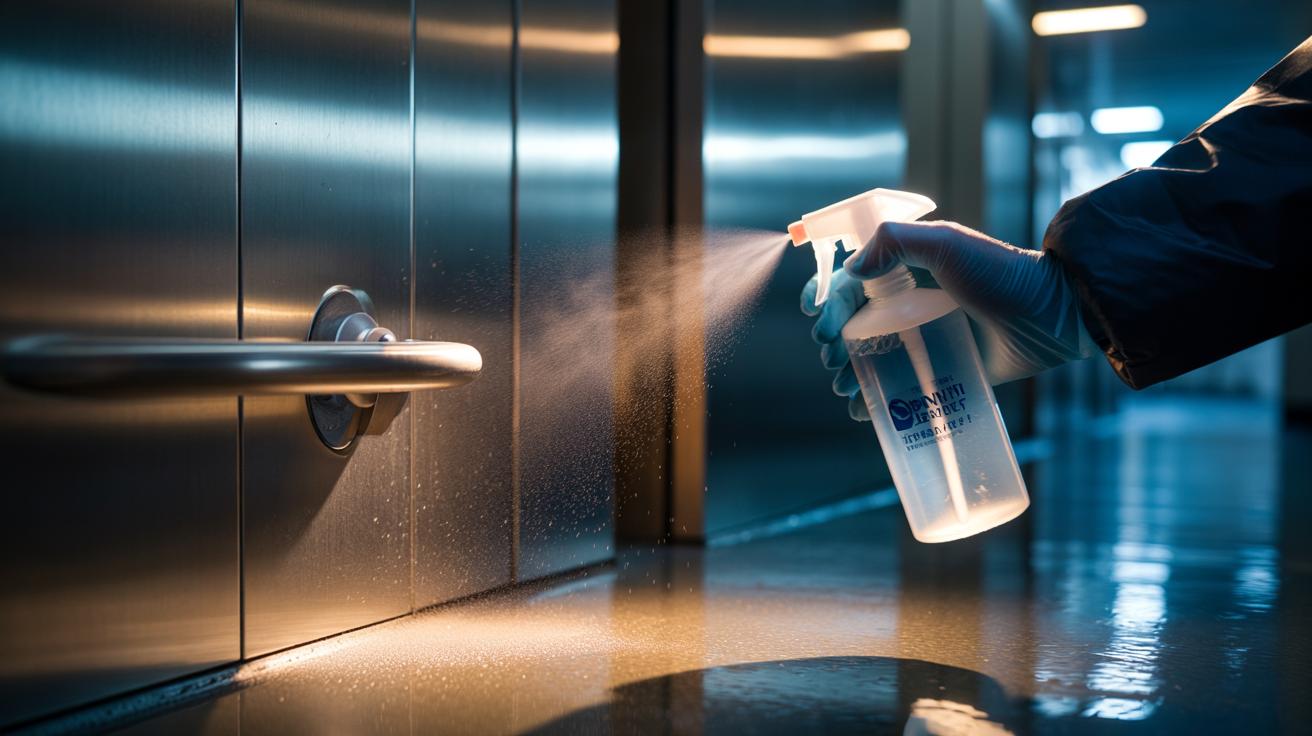
Technique decides outcomes. Start with a clean slate: remove dirt and grease using detergent and water. Dry the surface. Apply alcohol generously with a spray or saturated wipe until it glistens. Do not immediately buff it off. Let it sit wet for the stated contact time. Air-dry. That sequence—clean, wet, wait—turns a potent chemical into a reliable, repeatable result.
Material compatibility matters. Alcohol is broadly safe on stainless steel, glass, and most countertops. It can, however, dull some varnishes, cloud acrylics, and degrade certain rubberised coatings. On electronics, unplug first, avoid pooling, and use a lightly moistened cloth rather than a drenching spray. Patch-test on an inconspicuous spot if in doubt. Never mix alcohol with bleach or other chemicals; unwanted reactions and fumes risk health and surfaces alike.
Ventilation and volume are your friends. Small space, big bottle, and careless use is a poor equation. Keep windows open, cap containers promptly, and store away from heat sources. Alcohol is highly flammable. In homes with children or pets, lock it away. Quick tip: use dedicated, labeled spray bottles and fresh, lint-free cloths. That discipline cuts cross-contamination and ensures the contact time you think you’re getting is the time the surface actually receives.
Limits, Safety, and When to Choose Another Method
Alcohol has boundaries. It does not reliably kill bacterial spores, and its performance can slump on heavily soiled or porous surfaces where the liquid can’t maintain contact. Against mature biofilms, simple wiping often fails; mechanical cleaning plus a different chemistry may be required. For grout, untreated wood, or textiles, consider heat, detergent-based cleaning, or a compatible oxidising disinfectant instead. The right tool for the job, not just the fastest one at hand.
Safety is straightforward but non-negotiable. Treat alcohol like the flammable solvent it is: keep away from flames and sparks, avoid smoking during use, and don’t decant near cookers or pilot lights. Prolonged skin exposure dries and irritates, so wear gloves for extended tasks and moisturise afterwards. Headache or dizziness? Improve ventilation and step back. Store products in original containers, clearly labeled, and never top up mystery bottles.
On performance claims, trust but verify. Check that the product you use is designed for surfaces, not just hands, and that instructions specify a realistic contact time. If you manage workplaces, align cleaning policies with recognised standards and staff training. For households, keep it simple: clean first, wet sufficiently, wait the seconds that matter, and let alcohol do its merciless work on bacteria while you keep an eye on the bigger picture—safe storage, sensible use, and a focus on high-touch hotspots.
Alcohol-based surface disinfection is fast, elegant, and dependable when used with intent. The chemistry is sound, the technique is simple, and the results are visible in reduced contamination where it counts most. Choose the right concentration, respect contact time, and prioritise safety. That trifecta delivers the “seconds” headline without compromise. As you look at your home or workplace, which high-touch surfaces could benefit most from a refined, evidence-backed alcohol routine—and what would you change first to make that happen?
Did you like it?4.4/5 (30)