In a nutshell
- 🔥 Smart thermostat strategy: set schedules, sensible set-backs (16–17°C), and use zoning with TRVs to heat only the rooms you need.
- 🧰 Stop heat leaks: prioritise draught-proofing, loft insulation (~270 mm), and secondary glazing for fast, low-cost savings.
- ⚙️ Tune your system: lower boiler flow temperature (≈55–60°C), bleed and balance radiators, and service the boiler to cut waste.
- 🔌 Tech choices, pros vs cons: Heat pumps can beat gas with good fabric and low temps; direct electric is for spot heat; avoid oversizing.
- 📊 Quick wins + data: seal gaps, set firm schedules, and track temperatures/usage—measure, tweak, repeat for compounding savings.
Winter doesn’t have to bring wallet-chilling energy bills. With a few targeted adjustments, UK households can cut costs without sacrificing comfort. As a reporter who has toured hundreds of homes—from draughty Victorian terraces to airtight new-builds—I’ve seen that behavioural tweaks and smart tuning often beat expensive gadgets. Before you spend, measure and prioritise: monitor actual room temperatures, track boiler flow settings, and note cold spots. Below, I share evidence-led tactics, case studies, and quick wins to help you save big this winter. The goal isn’t suffering through shivers; it’s simple, repeatable habits and low-cost improvements that deliver steady savings day after day.
Smart Thermostat Strategy: Schedules, Setbacks, and Zones
Thermostats are the traffic controllers of your heating. The best savings come from predictable schedules and a sensible set-back temperature (the “night” or “away” setting) that avoids overcooling your home. UK trials suggest that turning the thermostat down by just 1°C can trim bills by roughly 7–10%, especially in gas-heated homes. If your rooms are overshooting the target by more than 0.5°C, you’re paying for heat you don’t feel. Smart thermostats with adaptive learning and geofencing can reduce that overshoot and pre-heat only when you’re actually heading home.
For larger or multi-storey homes, consider zoning (upstairs vs downstairs) or room-by-room control with TRVs. A commuting couple in Manchester cut their gas use by 14% over six weeks simply by setting a weekday schedule (6–8am, 5–10pm) and a 16–17°C set-back when out. Aim for 18–20°C living spaces, lower in bedrooms, and resist manual “boosting” unless truly needed. Add weather compensation (some boilers and smart stats support this) so flow temperatures track outdoor conditions, avoiding sudden swings that waste energy.
- Quick win: Lock a realistic max temperature (e.g., 20°C) to prevent “crank it up” moments.
- Data tip: Use a cheap sensor to log temperatures; adjust schedules weekly until fluctuations shrink.
Stop Heat Leaks: Insulation, Draught-Proofing, and Vent Discipline
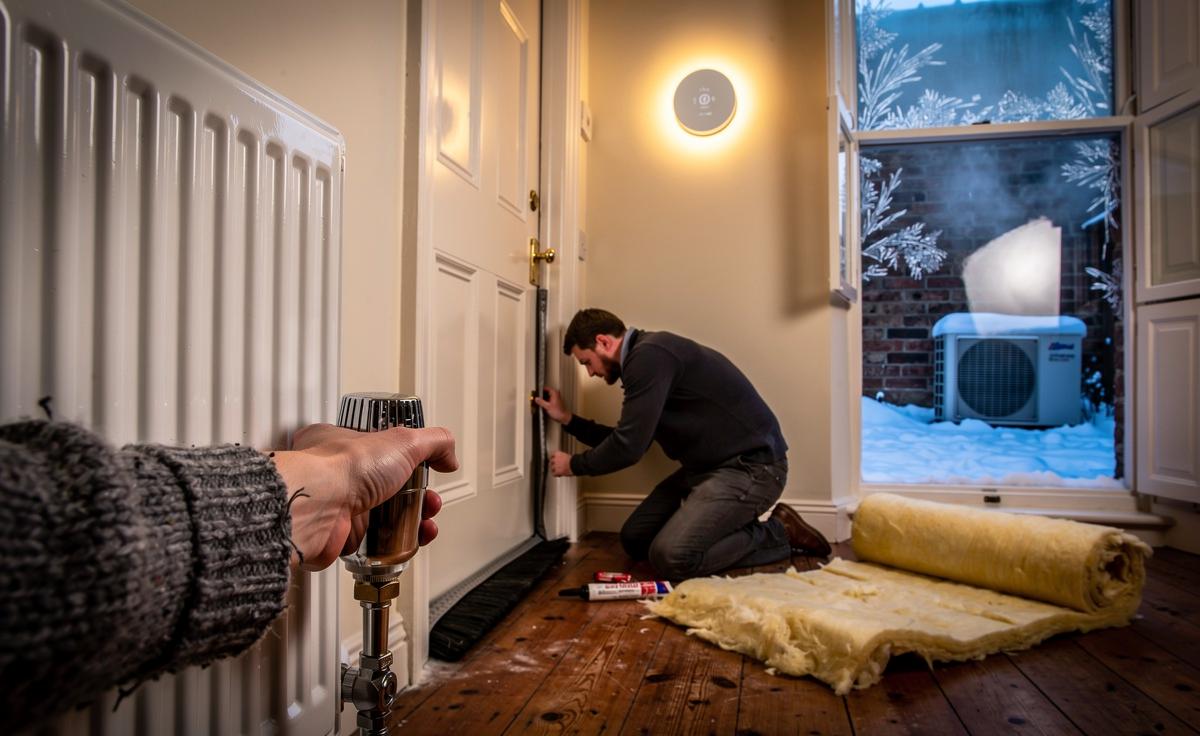
Heat lost through gaps and poorly insulated lofts is money drifting into the sky. Draughts are the cheapest heat loss to fix. Focus on letterboxes, keyholes, floorboard gaps, and unused chimneys. Loft insulation remains the UK’s best-value upgrade; aim for around 270 mm. Old sash windows can be dramatically improved with secondary glazing film or magnetic panels—simple, reversible, and effective. Keep necessary ventilation (bathroom/kitchen extract) but avoid leaving trickle vents wide open on windy nights. Bedding in these habits often trims noise and dust too, a side bonus many households appreciate.
Here’s a snapshot of typical costs and savings (ranges vary by home and energy prices):
| Upgrade | Typical Cost | Potential Annual Saving | Indicative Payback |
|---|---|---|---|
| Loft insulation to ~270 mm | £400–£800 | £150–£350 | 2–5 years |
| Draught-proofing (doors, floors) | £100–£250 | £45–£90 | 1–4 years |
| Chimney balloon/seal | £20–£35 | £20–£50 | Months–2 years |
| Radiator reflector panels | £15–£40 | £10–£25 | 1–3 years |
In a Leeds semi-detached, blocking a disused fireplace and sealing floorboards lifted the hallway temperature by 1.5°C with the same boiler settings. Fix air leaks first, then consider bigger investments. It’s the sequencing that makes the numbers stack up.
Boiler and Radiator Tuning: Maintenance That Pays
Most UK homes run condensing boilers that only reach peak efficiency when return water is cool enough to condense the flue gases. That means lowering the flow temperature from a default 70–80°C to around 55–60°C for radiators (or even lower for underfloor). Lowering flow temperature is the fastest free win for many gas systems. In my Croydon terrace, dropping the flow to 55°C and balancing radiators shaved 12% off weekly gas use, adjusted for degree days. The house felt more even, too—less sauna in the lounge, less shiver in the box room.
Start with radiator bleeding (remove trapped air), then balancing (tweak lockshield valves so each room heats evenly). Fit or calibrate TRVs so bedrooms run cooler. An annual boiler service keeps combustion efficient; ask engineers about inhibitor levels and adding a magnetic filter to catch sludge. If your pump has speed settings, try a lower speed after balancing to reduce noise and electricity use. Don’t chase instant heat with sky-high flow temperatures—steady, longer burns are cheaper. If rooms lag after a flow-temp drop, nudge one room’s lockshield open rather than raising temperature across the whole house.
- Checklist: Bleed rads, balance circuits, lower flow temp, verify TRVs, book service.
- Red flag: Boiler short-cycling (rapid on/off) signals poor settings or oversizing.
Heat Pumps, Electric Heaters, and Why Bigger Isn’t Always Better
Heat pumps shine when paired with good insulation and low flow temperatures, delivering a COP (coefficient of performance) around 2.5–4 in UK winters. That means 1 kWh electricity in can yield 2.5–4 kWh of heat out. Yet electricity per kWh typically costs more than gas, so design matters. A well-specified heat pump can still beat gas on running costs and carbon—if your emitters and fabric are ready. Direct electric heaters, by contrast, are 100% efficient at point of use but often expensive to run; keep them for spot heating, not whole-home warmth.
- Pros vs Cons: Heat Pumps
- Pros: Lower carbon, steady comfort, eligible grants, future-proof.
- Cons: Upfront cost, needs bigger radiators/UFH, careful design essential.
- Pros vs Cons: Gas Boilers
- Pros: Lower upfront cost, familiar controls, fast response.
- Cons: Carbon-intensive, volatile fuel prices, efficiency wasted if un-tuned.
- Pros vs Cons: Electric Heaters
- Pros: Cheap to buy, portable, instant heat.
- Cons: Costly to run, limited whole-home use.
And about size: Bigger isn’t better. Oversized boilers and heat pumps cycle on and off, wasting energy and shortening lifespan. Right-sizing with a heat loss calculation, then running at the lowest practical flow temperature, is the winning formula.
If you implement only three things this week—lower boiler flow temperature, seal obvious draughts, and set a firm thermostat schedule—you’ll likely feel warmer and spend less. Add monitoring and you’ll learn what works in your specific home, not just in theory. The pattern is clear: measure, tweak, repeat. Small optimisations compound into meaningful winter savings. Which of these steps will you try first, and what will you track so you know it’s genuinely working for your home rather than just sounding good on paper?
Did you like it?4.4/5 (21)