In a nutshell
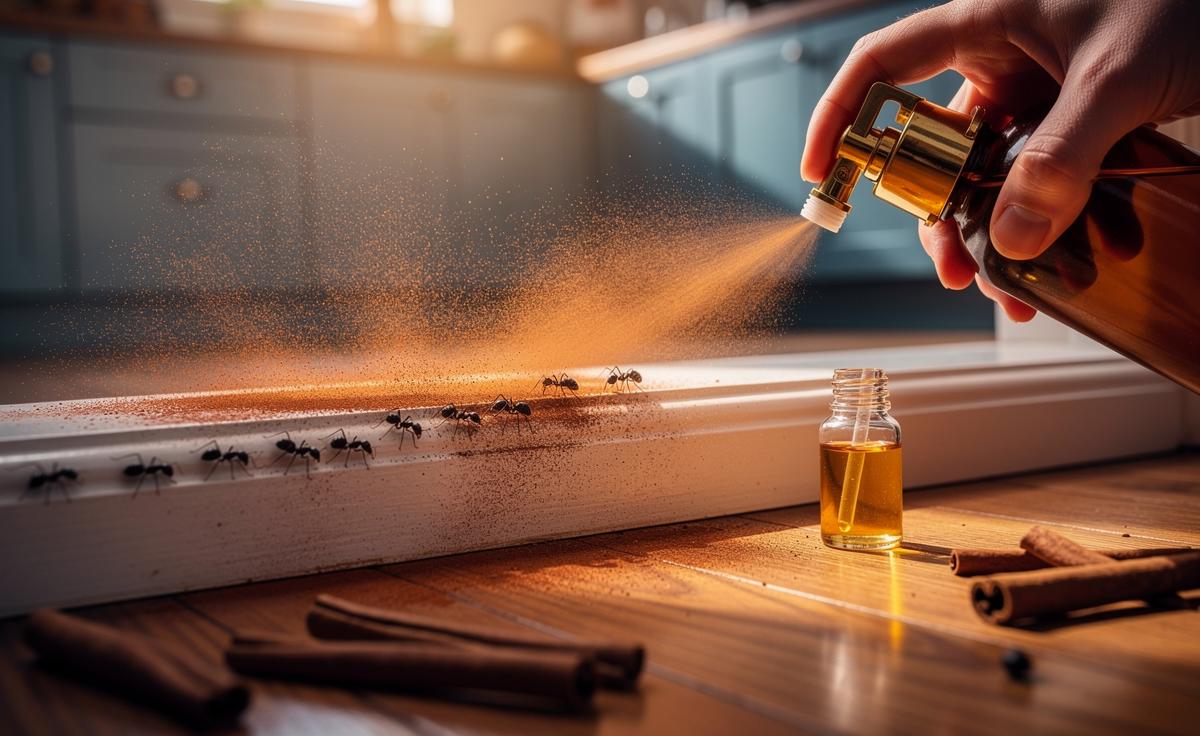
- 🐜 A potent cinnamon spray overwhelms ant pheromone trails, instantly disrupting navigation and repelling entry at doors, skirting boards, and window frames.
- 🧪 Simple recipe: 250 ml water + 20 ml vodka/witch hazel + 10–15 drops cinnamon bark essential oil + ½ tsp washing-up liquid; shake before use and store out of sunlight.
- 🛠️ Application tactics: wipe trails first, mist light lines along entry points, reapply in peak foraging times, and keep repellents away from bait stations to avoid reducing bait uptake.
- ⚖️ Pros vs Cons: rapid, low-cost, pleasant scent and no harsh residues vs doesn’t kill the colony, needs reapplication, potential irritation, and possible surface staining.
- 🏠 Real-world use: effective in UK homes as a fast “shield” while sealing gaps and improving food storage; pair with targeted baiting or professionals for persistent infestations.
Forget pricey baits and harsh chemicals. A quick, fragrant fix is hiding in your spice rack. A well-made cinnamon spray can stop ant traffic cold at doorways, skirting boards, and window frames, often within minutes. The secret isn’t magic—it’s the aroma. By flooding the air with volatile compounds that ants find overwhelming, you mask their pheromone trails and create a hostile corridor they refuse to cross. As a UK reporter who has tested this in flats from Manchester to Margate, I’ve seen it work where gels and traps failed to deliver an instant halt. Below, I break down the science, the recipe, and the field tactics to turn cinnamon into your fastest anti-ant ally.
Why Cinnamon’s Aroma Confuses Ants at the Door
Ants run on scent. Their “GPS” is a latticework of pheromone trails that guides nestmates to food and back again. The intense vapours from cinnamon—especially the compound cinnamaldehyde—can drown out those trails and trigger avoidance. When the air at a threshold is saturated with a strong, spicy odour, ants hesitate, mill about, and then divert. In UK kitchens, the common black garden ant (Lasius niger) is particularly sensitive to abrupt changes in scent gradients; a cinnamon barrier at entry points exploits that vulnerability.
Laboratory papers have long hinted at cinnamaldehyde’s repellent and insecticidal properties, but the practical takeaway for households is straightforward: a strong, fresh aroma equals a stronger barrier. That’s why essential oil (which concentrates active volatiles) tends to outperform dry powder alone. Think of the spray as olfactory camouflage. It doesn’t just annoy; it disrupts communication, so a tidy crack in the brickwork or a gap under the door suddenly becomes a “no-go” zone. While it won’t collapse a nest, it will protect your perimeter—and quickly.
Mix It Right: A Proven Cinnamon Spray Recipe and Variations
A good cinnamon spray hinges on two things: potency and coverage. For potency, favour cinnamon bark essential oil (rich in cinnamaldehyde). For coverage, include a little alcohol and a mild surfactant so droplets spread and dry evenly. Here’s a tested, flat-friendly blend: add 250 ml warm water to a clean trigger bottle, then mix in 20 ml clear vodka (or witch hazel), 10–15 drops cinnamon bark oil, and ½ teaspoon of unscented washing-up liquid. Shake vigorously before every use; essential oils separate quickly.
If you prefer a cupboard-only method, simmer two cinnamon sticks in 300 ml water for 10 minutes, cool, strain, then add the same surfactant. It’s less potent, so reapply more often. Always spot-test on paint, varnish, and worktops. Keep sprays away from pets, especially cats, and from asthma-prone occupants. Essential oils can irritate skin; wear gloves and avoid misting into the air you breathe. Store the bottle out of sunlight and use within two weeks for best aroma strength.
| Ingredient | Amount | Purpose |
|---|---|---|
| Cinnamon bark oil | 10–15 drops | Primary repellent (cinnamaldehyde) |
| Warm water | 250 ml | Carrier for even application |
| Vodka/witch hazel | 20 ml | Helps disperse and evaporate |
| Washing-up liquid | ½ tsp | Surfactant for better spread |
Where, When, and How to Spray for Lasting Results
Target the choke points. Start by wiping away visible ant trails with hot, soapy water to remove the pheromones they’ve laid. Then mist a thin, continuous line of cinnamon spray along entry gaps: exterior door thresholds, window frames, cable penetrations, radiator pipes, and where skirting meets flooring. Do not soak—wet pools trap dust and dilute scent. Let each pass dry, then apply a second light coat for a stronger, longer-lasting barrier.
Timing matters. Early morning and late afternoon are busy windows for foragers; a fresh application then has immediate impact. In damp conditions or during summer heat, reapply daily until traffic stops, then every two to three days for maintenance. Combine with housekeeping: store sweets in sealed containers, empty bins nightly, and fix leaks that draw thirsty scouts. If you are also using baits, keep cinnamon away from bait stations—repellents can divert ants and reduce bait uptake. Instead, use the spray to ring-fence rooms while leaving a bait “island” accessible along a known trail outside the protected zone.
Pros and Cons Versus Chemical Ant Killers
On speed, cinnamon wins. The aroma barrier can interrupt ant movement in minutes without leaving harsh residues, and it’s pleasant compared with solvent-heavy sprays. It’s also versatile—safe around food areas once dry, provided you keep it off direct food contact surfaces. For renters and families, the non-toxic-to-humans ethos is a clear comfort. But there are trade-offs. Repellents don’t reach the colony queen, so populations rebound unless you deny access or pair with nest-targeting methods.
Think strategically: use cinnamon spray as a “shield” and, where needed, deploy a targeted bait outside that shield. For heavy, recurring infestations—especially if you’re seeing winged reproductives indoors—professional assessment is wise. Some surfaces (unfinished wood, natural stone) can stain or hold scents; always test first. And sensitive households must respect the potency of essential oils. Natural doesn’t mean risk-free. Choosing between cinnamon and chemicals isn’t binary; it’s about sequencing and fit for purpose.
| Pros | Cons |
|---|---|
| Instant trail disruption; pleasant scent | Doesn’t kill the colony; needs reapplication |
| Low-cost, cupboard-friendly ingredients | May irritate pets or sensitive skin |
| Good for doorways and targeted barriers | Possible staining on some surfaces |
| No harsh chemical residues | Can interfere with bait efficacy if misused |
I first trialled this method during a July heatwave in a South London rental where ants streamed beneath a loose threshold. Two light coats of the bark-oil blend and a wipedown of crumbs halted movement by teatime, and a maintenance mist every other day kept the kitchen quiet for three weeks. That’s the beauty of a strong aroma: it blocks the door while you fix the root cause, from sealing gaps to improving food storage. Will you try the cinnamon shield—and if you do, where’s the first doorway or skirting line you’ll fortify today?
Did you like it?4.5/5 (23)