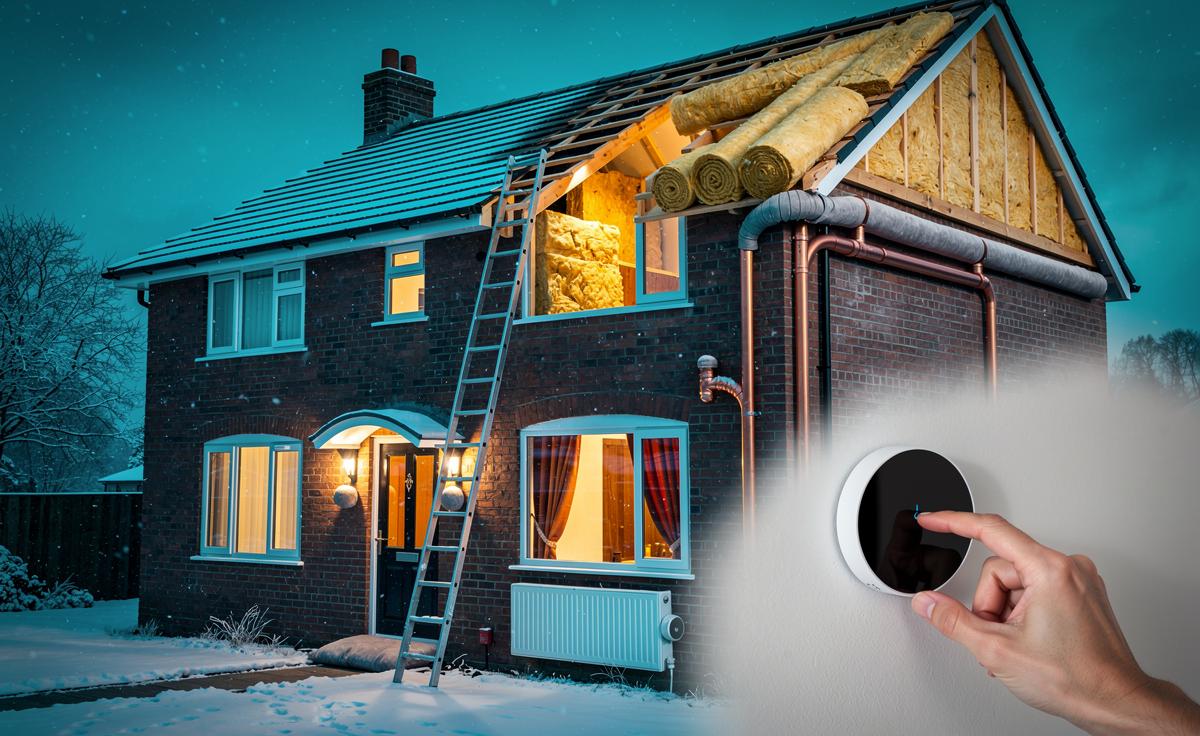
In a nutshell
- 🧱 Prioritise the home envelope: top up loft insulation, add draught-proofing, and consider secondary glazing to stop paid-for heat escaping.
- 🔥 Tune heating for efficiency: book a boiler service, balance radiators, lower condensing boiler flow temperature, and use smart thermostats with TRVs.
- 🚰 Prevent winter damage: lag pipes, protect outdoor taps, locate the stopcock, fit leak detectors, and keep gutters and rooflines clear.
- 💷 Cut costs with data and support: install a smart meter, consider time-of-use habits, and check eligibility for ECO4, the Boiler Upgrade Scheme, and the Great British Insulation Scheme.
- 📅 Act early and iterate: start with quick wins, plan grant-backed upgrades, and monitor usage weekly to lock in lasting comfort and savings.
Britain’s winters are getting trickier to predict, but the costs of getting cold are always predictable. Homes that breathe too much, or heat inefficiently, punish bank accounts and comfort alike. This season, think beyond a quick tweak of the thermostat. A few targeted changes, timed before the first snap, can transform your home’s resilience through 2026’s coldest weeks. Some fixes are weekend jobs. Others involve trades that are busier each year as temperatures drop. Act early and prioritise the measures that cut heat loss first. With a plan, you can stay warm, spend less, and dodge midwinter emergencies.
Seal the Envelope: Insulation, Draughts, and Windows
Heat you’ve already paid for should not escape. Start with loft insulation. The UK benchmark remains around 270 mm of mineral wool; many homes still fall short. Topping up is inexpensive, quick, and quiet compared to deeper retrofits. Consider cavity wall insulation if your property suits it, and look at solid-wall solutions for older homes. Floors leak warmth too; even basic underfloor insulation for suspended timber reduces chilly drafts and cold feet.
Draughts are sneaky. Fit door seals, letterbox brushes, and a flap for pet doors. Close the chimney with a removable balloon if the fireplace is purely ornamental. Heavy, lined curtains and snug roman blinds add a fabric shield, while discreet secondary glazing film tackles leaky single panes. Small gaps, not gaping holes, often cause the biggest comfort losses. Spend an hour on a windy day feeling for leaks near skirtings, sockets, and loft hatches.
Balance insulation with safe ventilation. Keep trickle vents open and kitchens/bathrooms extracted; moisture management prevents mould. If condensation returns each winter, reassess ventilation rather than removing it. In short: insulate, then ventilate right. That order matters.
Tune Your Heat: Boilers, Controls, and Smart Schedules
A well-maintained system runs cheaper and calmer. Book a boiler service before the first frost; engineers are scarce in January. Bleed radiators, then balance them, nudging lockshields so far rooms warm as quickly as those nearby. If you own a condensing boiler, try a lower flow temperature—typically 55–60°C—so it condenses more often and uses less gas while still heating rooms adequately. Never compromise safety or manufacturer guidance; if unsure, ask a qualified engineer.
Controls matter. Install a smart thermostat and set occupancy-based schedules rather than a fixed all-day programme. Zoning helps: TRVs (thermostatic radiator valves) let cooler bedrooms remain cooler, while living spaces stay cosy. Use gentle temperature setbacks at night rather than aggressive off/on swings, which can drive condensation and discomfort.
Planning upgrades? Radiators may need resizing for low-temperature operation, whether on a fine-tuned boiler or a future heat pump. Clean sludge with a system flush if cold spots persist, and consider a magnetic filter. For electric heating, use timer controls and draft-proof rooms meticulously, as kilowatt-hours bite harder. The cheapest unit of energy is the one you never waste. Tuning and control, done well, can trim bills without sacrificing warmth.
Water, Roof, and Garden Safeguards
Frozen pipes burst fast and expensively. Lag exposed pipes in lofts, garages, and utility rooms with snug insulation sleeves. Fit a cover to outdoor taps and drain hoses now. Know your stopcock location; test it turns easily. A simple leak detector under the kitchen sink or near the cylinder can save a soggy weekend. Water damage often costs more than any energy bill.
Outside, clear gutters and downpipes. Leaves create dams that push water into walls and roof timbers. Check the roofline after storms—lifted tiles or torn flashing invite winter rain. In the loft, ensure insulation doesn’t smother eaves vents; your roof needs to breathe to stop condensation. Keep stored items off insulation to maintain its loft and performance.
Think garden resilience. Trim risky branches that could threaten glazing or cables during gales. Move vulnerable pots away from air bricks, and keep paths gritted-ready. Inside, set at-risk zones—lofts, utility rooms—above freezing with a low background heat if you travel. Avoid deep nightly temperature dips in cold spells; steady beats extreme. These practical steps reduce winter callouts and keep your fabric sound.
Energy Bills, Grants, and Quick Wins for 2026
Prices will move, but efficiency always pays. Fit a smart meter if you haven’t; it reveals costly habits in real time. Many households benefit from time-of-use tariffs when shifting laundry or EV charging. Meanwhile, the UK continues to offer help: schemes like ECO4, the Boiler Upgrade Scheme (for heat pumps), and the new Great British Insulation Scheme target leaky homes. Eligibility varies by home, income, and local authority. Check trusted sources and apply early before winter queues build.
| Measure | Typical Cost (UK) | Indicative Saving | Effort |
|---|---|---|---|
| Loft top-up insulation | £400–£1,200 | Up to ~£300/year | Half-day DIY/pro |
| Draught-proofing seals | £40–£200 | £60–£125/year | DIY |
| Smart thermostat | £80–£250 | 5–12% heat use | Low |
| Pipe lagging | £30–£80 | Damage prevention | Low |
| Boiler service | £90–£140 | Efficiency & safety | Pro only |
Look for zero-rated VAT on many energy‑saving materials and ask installers about manufacturer rebates. Split your plan: cheap-now wins first, grant-backed projects next. Then monitor usage weekly; tighten schedules, trim hot water times, and nudge thermostat setpoints sensibly. Consistency and measurement turn quick fixes into lasting savings. By 2026’s coldest stretch, you’ll feel the difference in comfort and costs.
Winterising isn’t one grand project; it’s a series of smart, seasonal habits that compound. Seal what leaks, tune what heats, protect what floods, and fund what pays back. Start with one room, one weekend, then step to the next task. Keep records of costs, settings, and savings so you know what to repeat. When the mercury dips, your home should simply get on with it. Which upgrade will you prioritise this month to make your winter easier—and why?
Did you like it?4.5/5 (21)