In a nutshell
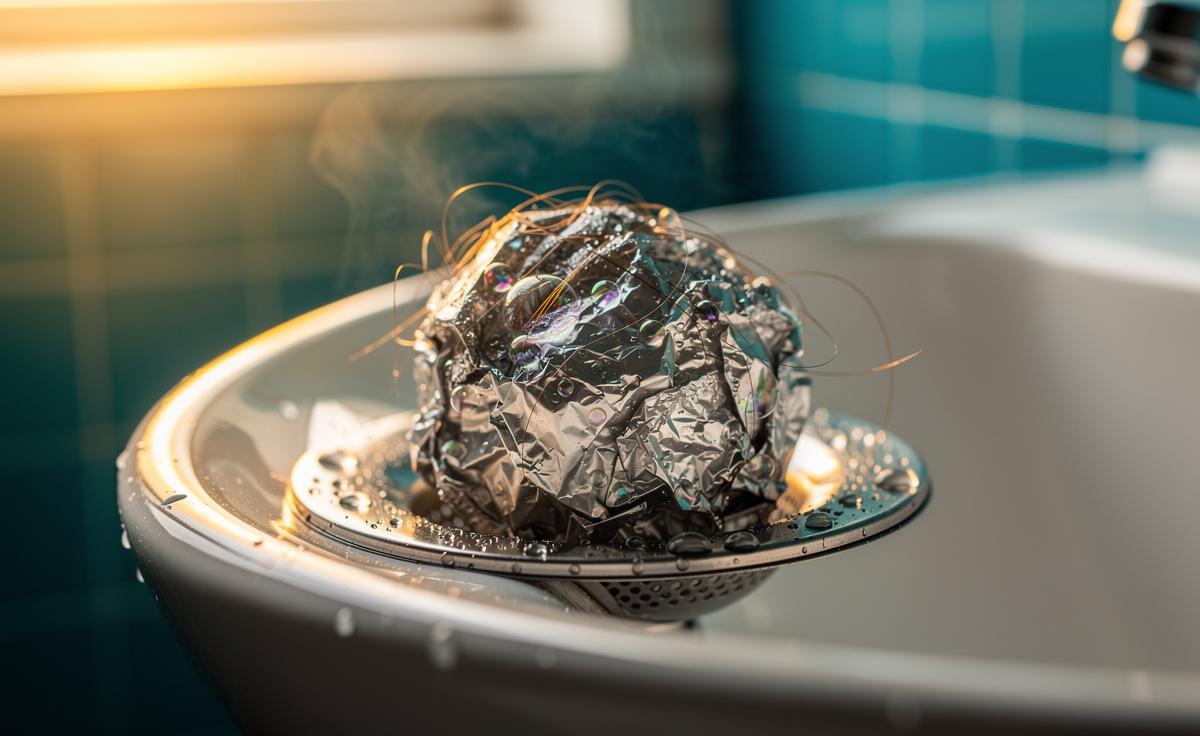
- 🧰 Foil-ball hack: A loosely crumpled aluminium foil ball acts as a temporary strainer, trapping hair, soap scum, and gunk overnight to improve slow drains.
- 🧪 Safety first: Do not combine with caustic cleaners (sodium hydroxide) and avoid forcing the ball into the pipe; flush with warm, not boiling, water after removal.
- 🕒 Simple steps: Make a porous ball (just smaller than the plughole), seat it at the mouth, leave 6–12 hours, then lift, bag, and bin—gunked foil isn’t recyclable.
- 🧭 Use cases: Best for sluggish but flowing basins and showers; skip for complete blockages, waste disposers, recent chemical use, or signs of deeper plumbing issues.
- 🌿 Smart follow-up: Treat as a short-term pre-filter and consider a reusable hair catcher or enzyme cleaner for longer-term, eco-friendlier maintenance.
Slow drains are a domestic irritant that steal minutes and patience. You don’t always need a bottle of caustic gel or a costly call-out to fix them. A surprisingly effective hack uses nothing more than aluminium foil. Roll it into a loose, perforated ball, perch it in the plughole overnight, and let it act as a temporary filter that gathers hair, soap scum, and food flecks as the last trickles run through. In the morning, lift and bin. Simple. Cheap. Quick. It’s a mess-catcher, not a miracle unblocker, yet for many slow drains it creates just enough improvement to restore flow and spare your weekend.
How the Aluminium Foil Ball Trick Works
A rolled ball of aluminium foil behaves like a makeshift strainer. The crinkled surface forms tiny ledges where hair and biofilm snag, while the gaps allow water to pass. It’s the texture that does the heavy lifting. Soap residue, shaving stubble, and fine grit cling to the rough foil, then compress together as the ball sits in the throat of the plughole. Overnight is ideal because water use drops, giving debris time to settle and adhere. Next morning, you simply remove the ball and with it a surprising amount of gunk.
There’s a second benefit. By intercepting fresh debris, the foil ball reduces what reaches deeper bends of the pipe. That can ease borderline slow drains where the underlying partial blockage is starved of new material. Think of it as a short-term pre-filter that buys you breathing space. It’s most effective in basins and showers with shallow plugholes. Less so in deep basket strainers or waste disposers. And it won’t shift a hard blockage caused by limescale or congealed fat many centimetres down the trap.
Step-by-Step: Make, Place, and Remove Safely
First, tear a square of kitchen foil roughly the size of your palm. Crumple lightly, then roll into a ball just smaller than a 10p coin. The key is porosity. Don’t compact it smooth; keep ridges and tunnels so water can pass. With dry fingers or a glove, seat the ball at the mouth of the plughole so it’s secure yet not wedged. Run the tap briefly to ensure flow continues. Leave in place overnight. Come morning, lift it out with tissue, bag it, and bin. Rinse the area and flush with a kettle of warm water, not boiling. Never force the ball deeper into the drain.
| Item | Details |
|---|---|
| Materials | Aluminium foil, tissue or gloves, small bin bag |
| Ball size | Slightly smaller than plughole; loosely crumpled |
| Placement | Sits at plughole mouth; do not push down the pipe |
| Duration | Overnight (6–12 hours) |
| Best for | Bathroom basins, showers, utility sinks |
| Avoid | Waste disposers, toilets, fully blocked drains |
| Risks | Ball dislodging or compacting if over-sized or pushed |
| Disposal | Bin only; gunked foil isn’t recyclable |
Two safety notes. Do not use this alongside caustic drain cleaners containing sodium hydroxide, which can react with aluminium. Also avoid very hot water on thin enamel or composite sinks immediately after removal; a warm flush is enough. If you have a lift-out basket or hair catcher, place the foil ball above it rather than removing the existing guard.
When to Use This Hack—and When Not To
Use the foil-ball method when a drain is sluggish but still moving. Ideal signs: standing water clears within minutes, there’s visible hair at the rim, and odours are mild. In these scenarios, the hack can capture the fresh debris that’s tipping performance over the edge. Pair it with a quick manual clean of the plug and a warm rinse. It’s also a clever stopgap before guests arrive, or while you wait for a professional appointment. Think of it as triage for tired plumbing.
Skip it if the basin backs up immediately, if you’ve recently poured chemical openers down the pipe, or if a waste disposer sits beneath. For persistent clogs, escalate: a plunger, a hair snake, or enzyme-based cleaners that digest organic matter. Mineral build-up may need descaling. If water gurgles in adjacent fixtures, you might have a venting or partial sewer issue—time to call a plumber. Environmentally, consider a reusable hair catcher once flow is restored. It’s tidier long-term and avoids sending foil to landfill, though the occasional foil-ball rescue remains a handy tool in the drawer.
A rolled aluminium foil ball won’t replace a drain snake or a trained engineer, yet it excels as a quick, quiet fix for slow drains that just need a reset. It costs pennies and minutes, and it nudges you to tackle the issue before it becomes a Saturday-killer. Used sparingly and safely, it traps gunk overnight and gives your pipes a breather. If your sink is sluggish tonight, will you try the foil-ball filter—or will you reach for a different tactic and compare the results?
Did you like it?4.8/5 (27)