In a nutshell
- 🧪 Acetic acid in white vinegar dissolves limescale (calcium carbonate), loosening deposits overnight without harsh fumes and remaining gentle on most finishes.
- 🛠️ Use the detach-and-soak or bag-and-elastic method; submerge nozzles for 6–12 hours, then rinse, brush, pinch silicone jets, and refit with PTFE tape if removed.
- ⚠️ Choose distilled white vinegar (5–8%); use neat for heavy scale or 1:1 for upkeep; ventilate, wear gloves, protect delicate finishes, and never mix vinegar with bleach.
- 🚿 If pressure stays low, check the hose, inlet filter, and flow restrictor; try targeted re-soaks, warm vinegar, or a 5–7% citric acid solution for 30–60 minutes.
- ♻️ Monthly vinegary maintenance restores spray, reduces waste, and avoids strong chemicals; in very hard-water areas, consider an inline filter or water softener.
Hard water does quiet damage. Mineral-heavy droplets build crusty limescale inside showerheads, turning a lively spray into a spluttering drizzle. The fix is delightfully simple, cheap, and eco-conscious: white vinegar. Let it soak. Let chemistry work while you sleep. Soak a clogged showerhead in vinegar overnight and wake to a revived spray pattern, clearer jets, and a fresher-looking faceplate. The key is contact time. Vinegar needs hours to dissolve stubborn deposits lodged in tiny orifices. Whether you detach the head or use a bag-and-elastic trick, this domestic staple reliably breaks down mineral buildup without scratching chrome or misting your bathroom with harsh fumes.
Why Vinegar Works on Limescale
Vinegar’s cleaning power comes from acetic acid, a mild acid that reacts with calcium carbonate—the chalky culprit behind limescale. That reaction loosens and dissolves the crystalline deposits, freeing blocked nozzles and restoring water pathways. It’s gentle on most finishes, which is why vinegar is a safe first-line descaler for everyday maintenance. The chemistry is simple yet effective: acids protonate carbonate, producing soluble salts and carbon dioxide. You might even see tiny bubbles as the process unfolds. Warmer liquid can speed the reaction, but room temperature works fine overnight. For very hard-water regions, a longer soak delivers better penetration into micro-passages inside the head.
There are caveats. Avoid prolonged soaking of natural stone surrounds or delicate plated finishes like soft gold—wrap them in cling film to protect against splashes. Don’t mix vinegar with bleach; the fumes are hazardous. If your showerhead has silicone nozzles, vinegar is compatible, and a post-soak pinch usually cracks any remaining scale rings. Regular monthly soaks prevent deep clogging and keep pressure consistent. The result is practical and measurable: steadier flow, less spray drift, and fewer cold spots in the pattern.
Overnight Soak: Step-by-Step Method
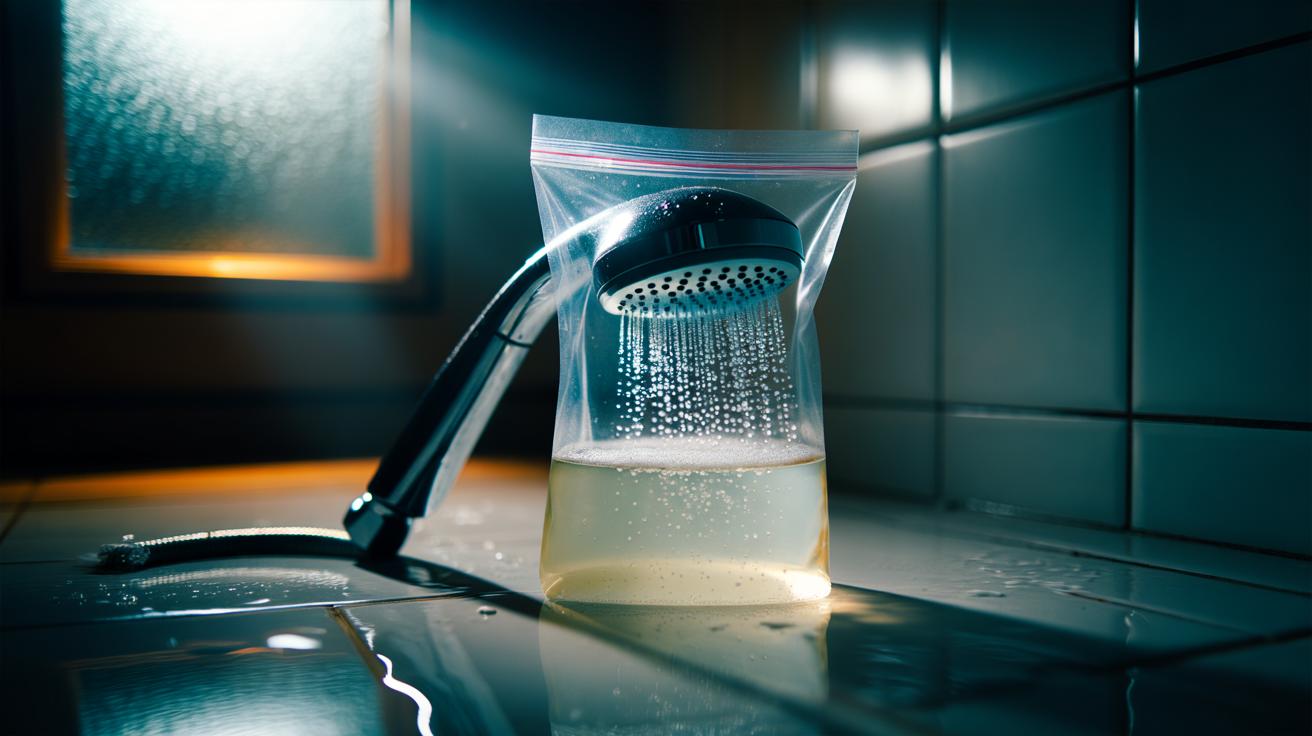
Two routes work. Detach, or bag it in place. For a removable head, twist it off the arm, lay the washer aside, and immerse the head in a bowl of white vinegar. Submerge fully. Leave for 6–12 hours. For fixed heads, fill a sturdy freezer bag with enough vinegar to cover the face, slip it over, and secure tightly with an elastic band or cable tie. Ensure all nozzles are under the liquid. This contact is what dissolves the crust tucked inside channels you can’t reach with a brush.
Rinse thoroughly. Use a soft toothbrush on the faceplate, then gently press or “flick” silicone nozzles to dislodge grit. A wooden cocktail stick can nudge stubborn jets—go slow to avoid scratching. Refit the head with a fresh wrap of PTFE tape on the threads if removed. Flush hot water for 30 seconds, then cold. You’ll notice cleaner streams and less sideways mist. Still patchy? Repeat a shorter soak, focusing on problem nozzles, and scrub again. Patience wins, and a second pass often clears the last 10% of blockages.
Materials, Ratios, and Safety Tips
The basics are in your cupboard. Stick with supermarket white vinegar (5–8% acetic acid). Distilled white is ideal; malt vinegar works in a pinch but may leave odour and tint. For heavy scale, use vinegar neat. For light maintenance, mix 1:1 with warm water. Avoid galvanised or bare aluminium fittings in prolonged acid soaks. If you’re unsure of finish, do a 10-minute spot test. Keep the bathroom ventilated, wear washing-up gloves, and never blend with bleach or proprietary ammonia cleaners.
| Item | Purpose | Notes |
|---|---|---|
| White vinegar | Dissolve limescale | Use neat for heavy deposits; 1:1 for upkeep |
| Freezer bag/bowl | Contain soak | Bag method suits fixed heads |
| Elastic band/cable tie | Secure bag | Ensure no leaks |
| Soft brush | Scrub faceplate | Toothbrush works well |
| PTFE tape | Seal threads | Use when refitting |
Top-up tricks: add a teaspoon of bicarbonate of soda to the faceplate after soaking for a fizzing spot-clean (don’t add it to the main bath). For ultra-hard water, a follow-up rinse in diluted citric acid (1 tablespoon per cup) can polish off residue. Little and regular beats occasional battles with cement-like scale.
Troubleshooting Stubborn Deposits and Low Pressure
If pressure is still poor, zoom out. The problem may not be your showerhead. Check for a kinked hose on handsets, a clogged inlet filter on thermostatic valves, or a stuck flow restrictor. On many heads, the restrictor is a small plastic disc near the inlet; clean rather than remove to stay water-efficient. If your jets remain patchy, target those nozzles: re-soak the faceplate by propping a vinegar-filled cap directly against the problem area. Localised soaking focuses acid where scale is thickest. Carefully heat the vinegar to warm (not hot) for faster action, but avoid scalding.
Still calcified after two rounds? Step up to a stronger but still household-friendly option: citric acid at 5–7% solution, 30–60 minutes. Never mix with bleach. If the head’s internal galleries are corroded, pitted, or the spray plate has perished silicone nozzles, replacement is sensible. Modern low-flow models deliver good pressure and save on bills. In very hard-water postcodes, consider an inline filter or whole-house softener to slow build-up. Maintenance is cheaper than plumbing call-outs and kinder to chrome and lungs than industrial descalers.
An overnight vinegar soak restores clarity to your shower’s spray, cuts waste, and spares you the harsh chemistry of industrial cleaners. It’s quick to set up. It works while you sleep. And done monthly, it keeps scale from hardening into concrete-like deposits. If your pressure still disappoints after a thorough clean, widen the search: hoses, valves, and filters may be at fault. Ready to give your shower a simple, low-cost refresh tonight—and what small maintenance ritual will you add to make tomorrow’s first rinse reliably brilliant?
Did you like it?4.5/5 (22)