In a nutshell
- 🧾 Hidden costs: £5 tops enabled by squeezed supply chains, unpaid externalities, fragile contracts, and unsafe conditions; cheap at the till, costly for workers and planet.
- 🌍 Environmental impact: Fashion emits ~8–10% of global CO₂; cotton’s vast water use, toxic dyes, and shedding microfibres contaminate rivers and oceans.
- 📦 Waste and returns: Ultra-fast drops drive air freight and high return rates; many items are landfilled or incinerated, while exported “donations” overwhelm local markets.
- 📱 Psychology and platforms: Social media fuels FOMO, “haul” culture, and novelty addiction; shifting to durability and cost-per-wear counters the churn.
- ⚖️ Fixes that work: Enforce EPR, eco-labels, living wages, and right-to-repair; consumers can buy fewer, better, wash colder, repair, and reward transparency.
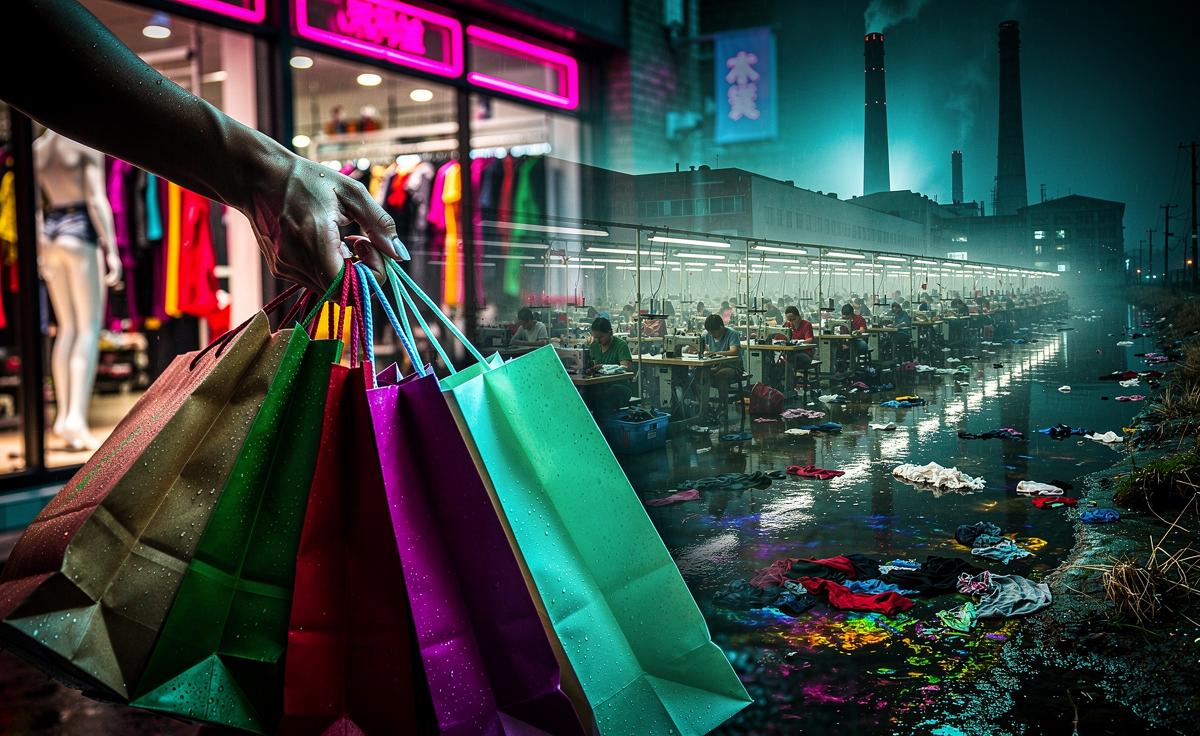
Fast fashion promised endless novelty at pocket-money prices. It delivered, and then some. But the industry’s breakneck churn comes with a tab that isn’t printed on the receipt. From polluted rivers to underpaid workers, the true cost is displaced, hidden in far‑flung supply chains and future clean‑up bills. In the UK, our wardrobes spin faster, seasons blur into weeks, and returns pile up in warehouses. The bargain we brag about often means someone else, somewhere, is subsidising our style. This is not an abstract concern. It’s a system choice. And the bill, delayed but mounting, is circling back with interest.
The Real Cost Hidden in the Price Tag
That £5 top didn’t get cheap by magic. It got cheap by slicing margins where consumers don’t look: the farm, the dye house, the sewing line. Economists call them externalities — costs shunted onto workers, communities, and the planet. When brands push lead times to days and demand prices that barely cover fabric, the squeeze travels down the supply chain. Speed and volume become the business model, not the by‑products. Shoppers see discounts; producers see impossible deadlines and wafer‑thin pay.
Inside many factories, overtime is routine, contracts are fragile, and a living wage remains aspirational. Audits, when they occur, can be box‑ticking exercises. Subcontracting blurs accountability, allowing brands to deny knowledge of what happens beyond tier one suppliers. The more layers between label and loom, the easier it is to disown abuse. It’s not isolated, it’s systemic. And yes, it’s profitable.
There’s another hidden cost: the logistics chain. Ultra‑fast cycles mean constant air freight for micro‑drops, and free returns that aren’t free at all. Many returns aren’t resold; they’re landfilled, incinerated, or shipped overseas. Cheap fashion is only cheap at the till. The rest of us foot the difference through polluted waterways, degraded soils, and precarious labour that props up our impulse buys.
Waste, Water, and Carbon: the Environmental Bill
Fashion’s footprint is hefty. Estimates place the sector at roughly 8–10% of global CO₂ emissions, with synthetic fibres locking in a fossil fuel dependence. Cotton isn’t clean either: a single T‑shirt can gulp around 2,700 litres of water. Dyeing and finishing discharge chemicals that stain rivers blue one day and black the next. Every season’s palette has a real‑world runoff. And for the UK, out of sight means nothing: imported garments outsource environmental damage, but the impact boomerangs via climate, biodiversity loss, and waste.
| Impact | Indicator | Fast Fashion Snapshot | Who Pays |
|---|---|---|---|
| Carbon | CO₂ emissions | High due to speed, air freight, synthetics | Global climate, public health |
| Water | Water footprint | Thousands of litres per cotton item | Farmers, downstream communities |
| Chemicals | Dyes and finishes | Toxic effluent from weakly regulated mills | Local ecosystems, workers |
| Waste | Landfill/incineration | Short lifespans, high returns, micro‑trends | Taxpayers, future generations |
| Plastics | Microfibres | Shedding from polyester in every wash | Oceans, food chains |
Microfibres deserve special mention. Each laundry cycle sheds tiny threads from polyester and nylon, which wastewater plants struggle to catch. They escape to rivers, then oceans, then our plates. The fix isn’t one thing: better fabrics, guppy bags and filters, slower consumption, and design that reduces shed. But without reducing volume, technology is a sticking plaster.
Waste is the industry’s final mile. Charity shops are saturated. Exported “donations” can flood markets in the Global South, undercutting local makers and creating mountains of unwearable imports. A linear model — take, make, dispose — pushes costs downstream. Until fashion pays for its own clean‑up, the environment does.
Speed, Social Media, and the Psychology of Desire
Platforms transformed the runway into a real‑time feedback loop. A look trends on TikTok at breakfast; by dinner, a copy is already in a basket. The dopamine hit is engineered: flash sales, countdown timers, endless scrollers. It’s retail as an attention economy game, with our impulses as the prize. Brands harvest data, test micro‑drops, and kill designs that lag — all before you’ve had time to wash last week’s purchase.
“Haul” culture turns wardrobes into content. It normalises volume — dozens of items tried once, judged for likes, then returned. That return has a footprint: trucking, repackaging, often disposal. The item that cost less than lunch is, paradoxically, too costly to inspect and reshelve. For a system tuned to velocity, friction is the enemy, waste the lubricant.
Psychology matters. Scarcity cues trigger FOMO; novelty resets satisfaction thresholds. The result isn’t joy but churn. A £40 dress worn twice has a worse cost‑per‑wear than a £120 piece worn thirty times. Yet the feed rewards newness, not endurance. Until we value durability — and visibility for repair, repeat wears, and timeless design — the algorithm will keep nudging us to buy, not to keep.
Can Regulation and Better Choices Turn the Tide?
Change won’t happen by vibes alone. Policy can redraw incentives so that the cheapest option isn’t the dirtiest. Think Extended Producer Responsibility (EPR) for textiles, making brands fund collection and recycling. Think eco‑labelling that spells out a garment’s water and carbon footprint. Think repairability scores and a “right to repair” for clothes, not just gadgets. When pollution gets priced in, design gets smarter.
The UK is inching forward: consultations on textile waste, scrutiny of green claims, pilots for take‑back schemes. The EU is moving faster with eco‑design rules and bans on vague greenwashing. Enforcement matters. So does international cooperation, because supply chains cross borders. Auditing must go deeper than tier one. Contracts should lock in living wages and realistic lead times. Slower, better, fairer is not anti‑growth; it’s anti‑waste.
Consumers have leverage, if not responsibility for the whole mess. Buy fewer, better. Aim for thirty wears. Check cost‑per‑wear, fibres, stitching. Prioritise rental, swapping, resale, and repairs. Wash less, colder, and line‑dry to curb microfibres and energy use. Ask retailers awkward questions. Reward transparency. Style doesn’t require speed; it requires taste, care, and a willingness to sit out the hype cycle. Small choices scale when the culture shifts and policy backs them.
Fast fashion gave us access. It also gave us waste, emissions, and a labour model that buckles under pressure. The industry can still pivot — toward durability, circular design, and wages that respect the human beings behind the seams. Our choices can nudge it there, but rules will shove it faster. The question isn’t whether we’re paying the price; it’s who pays, and when. If we want different answers, what would you change first: your basket, your vote, or your feed?
Did you like it?4.5/5 (24)