In a nutshell
- 🚗 Lower drink-drive limit: Proposal to reduce England and Wales’ BAC threshold from 0.08% to 0.05%, aligning with Scotland and much of Europe to cut “one‑pint” risk.
- 👓 Mandatory eye tests for over‑70s: Shift from self-declaration to verified optometrist checks at each three-year renewal, uploaded via the DVLA, to catch issues like cataracts early.
- 📊 Evidence and trade-offs: Research shows safety gains at 0.05% BAC; vision screening reduces hidden risk. Concerns remain over rural mobility, admin load, and NHS capacity.
- 🛠️ How it would work: Consultation, phased rollout, digital certificates, targeted enforcement, and public campaigns; potential mitigations include subsidised tests and community transport.
- 🧭 Impact for drivers: Clearer “none for the road” norms, earlier treatment pathways, potential insurance incentives—aiming to reduce casualties without sidelining safe older motorists.
The government is weighing a package of driving reforms that would tighten alcohol limits and sharpen eyesight standards for older motorists. At the forefront are proposals to lower the drink-drive limit in England and Wales and require mandatory eye tests for drivers over 70 at licence renewal. Supporters frame the plan as a pragmatic way to reduce casualties and keep people mobile for longer. Critics warn of unintended consequences for rural communities and the NHS. Below, we explain what’s being discussed, why it matters, how it could work, and what it means for you. The direction of travel is clear: safer roads through earlier intervention.
What Is on the Table? Lower Limits and Mandatory Eye Checks
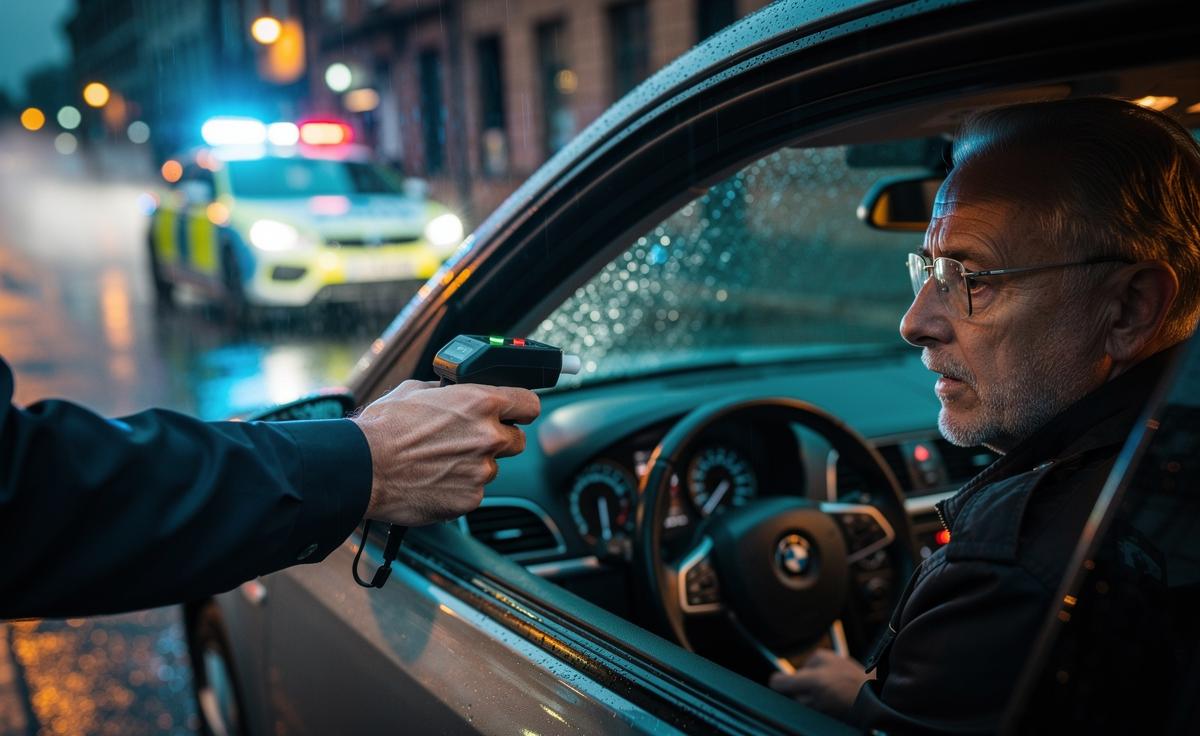
Ministers are assessing whether to bring the blood alcohol limit in England and Wales down from 80mg per 100ml of blood (0.08%) to 50mg (0.05%), aligning with Scotland, Northern Ireland, and much of Europe. The aim is to cut the risk posed by “one-pint decisions” that blur judgment yet stop short of obvious intoxication. A lower limit is intended as a clear, simple signal: if you drive, don’t drink. The government is also exploring mandatory eyesight checks for over-70s, potentially linked to the three‑year licence renewal cycle, replacing self-declaration with proof from a registered optometrist.
Officials argue both changes could be delivered via a consultation phase, followed by secondary legislation. On eyesight, options include: verified test results uploaded to the DVLA portal, digital reminders, and grace periods to book appointments. On drink-driving, enforcement would still rely on roadside breath testing and evidential analysis at stations, but the lower threshold would widen the pool of drivers who can be prosecuted. The package targets small, cumulative risks that add up to thousands of casualties over time.
The Evidence: Safety Gains, Risks, and International Lessons
Studies consistently show crash risk rises steeply between 0.05% and 0.08% BAC; reaction time, lane-keeping, and hazard perception all degrade. After Scotland cut its limit to 0.05% in 2014, early evaluations reported fewer drink-drive detections and indications of safer driver behaviour, though the direct impact on fatalities was mixed and took time to crystallise. Lower limits work best when paired with visible enforcement and public awareness. England and Wales still record roughly hundreds of drink-drive deaths annually, according to DfT estimates—evidence that the status quo leaves preventable harm on the table.
For eyesight, age-related conditions such as cataracts, glaucoma, and macular degeneration can creep in unnoticed, especially when people adapt gradually. Research links poor visual acuity and contrast sensitivity to elevated crash risk, but many older drivers pass the number‑plate test even as clinical vision deteriorates. Mandatory checks at 70—and at each renewal—could identify issues early, often with straightforward fixes like updated prescriptions. The counterpoint is mobility: withdrawing licences too readily risks isolation and health decline. Policy success hinges on keeping safe drivers on the road while swiftly redirecting unsafe ones.
Pros and Cons for Drivers, Police, and the NHS
Any reform has trade-offs. Here is the snapshot:
- Pros: Clearer norms (“none for the road”); earlier detection of high-risk eyesight problems; fewer collisions, freeing NHS capacity; more confidence among families of older drivers.
- Cons: Administrative load on police and DVLA; costs and logistics of eye tests; rural dependence on cars; possible over-reporting leading to unnecessary licence loss.
- Mitigations: Subsidised or capped-cost eye tests for low-income pensioners; phased rollout; targeted enforcement at high-risk times; improved community transport.
| Policy Area | Current (England & Wales) | Proposed Direction | Notes |
|---|---|---|---|
| Drink-Drive Limit | 0.08% BAC (80mg/100ml) | 0.05% BAC (50mg/100ml) | Aligns with Scotland, EU norms |
| Over‑70s Licence Renewal | Every 3 years, self-declare fitness | Proof of eye test at each renewal | Digital submission via DVLA portal |
| Enforcement | Roadside breath tests, vision checks by officers | Same tools; wider BAC catchment; verified eyesight | Requires communications campaign |
The reforms are not about punishing drivers; they’re about catching risk earlier and keeping people safely independent for longer. As one 74‑year‑old retired bus driver told me, a £25 community-clinic eye test “found a cataract I’d missed—my new lenses feel like night-and-day, and I kept my licence.”
How the Reforms Would Work in Practice
Expect a formal consultation outlining the legal changes, economic impact, and equality considerations. For alcohol limits, police would continue targeted patrols at night and on weekends, backed by data-led hotspots. Training and calibration protocols remain unchanged; the threshold shifts. On eyesight, the DVLA could approve a standardised certificate of visual fitness completed by optometrists, uploaded via a code. The burden sits with documentation, not GP gatekeeping—crucial for NHS capacity.
Transitional arrangements might include a 6–12 month lead-in, forgiveness periods for paperwork, and free retests where borderline results improve after treatment. Communications will be pivotal: national messaging, pub posters, pharmacy leaflets, and in‑app prompts from insurers and sat‑navs. For rural areas, mitigations could include community transport vouchers and links to cataract fast‑track pathways. Insurers are likely to reward compliance with premium discounts, while telematics providers can reinforce safe habits. The litmus test is whether casualties fall without unfairly sidelining older drivers who remain demonstrably safe.
Road safety advances tend to come from simple, scalable steps: clear rules, early screening, and fair enforcement. Lowering the drink-drive limit reduces ambiguity around “just one,” and verified eye tests help older drivers stay safe behind the wheel—often by unlocking timely treatment rather than removing licences. The UK can combine compassion with rigour if implementation is smart and services are accessible. As consultations unfold, what balance would you strike between maximising safety, preserving mobility for older drivers, and keeping the system affordable and simple to use?
Did you like it?4.4/5 (27)