In a nutshell
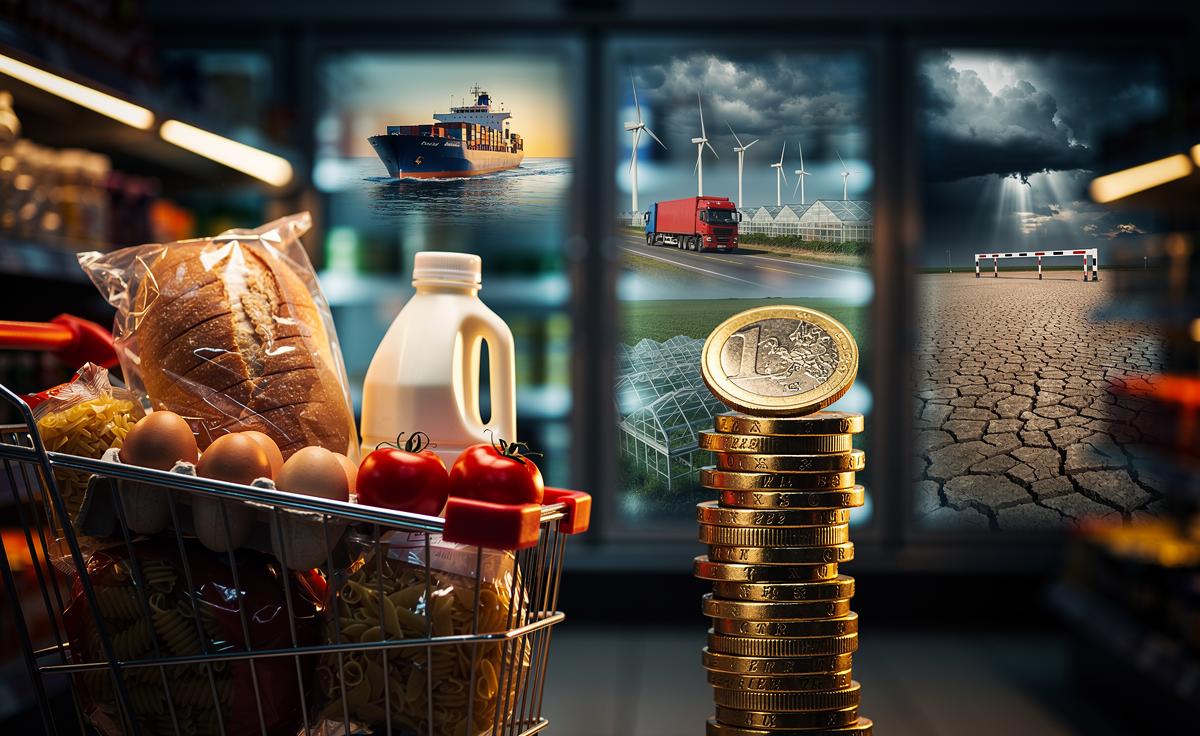
- 🚚 Hidden supply-chain costs—from rerouted shipping and port congestion to pricier packaging, fertiliser, and currency risk—quietly compound into higher shelf prices.
- ⚡ Rising labour and energy pressures, including a higher National Living Wage and volatile factory power contracts, increase costs across production, cold chains, and distribution.
- 🛃 New rules and fees—like UK–EU border checks, Extended Producer Responsibility, carbon pricing, and occasional tariffs—add admin time, delays, and per-consignment charges.
- 🌦️ Climate volatility turns weather into a permanent price driver, with droughts, floods, and costlier glasshouse heating squeezing yields and reshaping availability.
- 🛒 Retail dynamics—shrinkflation, algorithmic pricing, and loyalty-only discounts—mask list price creep; consumers should track unit prices and pack sizes to defend budgets.
UK shoppers are bracing for another unpredictable year at the tills. While the headline rate of inflation has cooled, grocery bills remain stubborn, and the path into 2026 could bring fresh pressures from unexpected directions. Some risks are visible: energy and wages. Others lurk in logistics, regulation, and weather. This is a consumer alert, not a panic. Prices may not spiral, but the forces stacking up are real, complex, and global. The surprising part is how many small increases across the supply chain can quietly compound into a noticeable rise in your weekly shop. Here’s what might push food costs higher next year—and what to watch.
Hidden Supply Chain Pressures You Don’t See
On the shelf, a loaf of bread looks simple. Behind it sits a web of shipping routes, insurance premiums, and warehouse contracts that decide what you pay. Rerouted vessels around the Red Sea add days and fuel bills; that cost doesn’t vanish. Port congestion in Northern Europe and driver shortages can nudge fresh produce into the danger zone where spoilage claims rise. Each delay is a price risk. For many staples, the effect is small per item, yet across millions of baskets it becomes material. Logistics isn’t just lorries; it’s timing, temperature, and trust.
Inputs make the unseen visible. Packaging resin, cardboard, and tinplate have swung in price since 2020; a renewed upswing would land on canned tomatoes and ready meals. Fertiliser and feed costs, closely tied to global gas prices and geopolitics, can ripple through meat, dairy, and grains six to nine months later. If sterling weakens, imported ingredients—from oranges to spices—cost more in pounds, even if world prices stay flat. Currency risk is the quiet tax on food imports.
Then there’s compliance time. New border health checks on EU goods, phased in under the UK’s post-Brexit model, add paperwork and fees. Most are modest individually. But importers warn that per-consignment charges, longer dwell times at Dover, and more certification can shave margins thin. When margins thin, prices tend to thicken.
Policy, Wages, and Energy: The Cost Stack
Policy often moves like wet cement: slow to set, heavy when it does. A higher National Living Wage in 2025–26 will lift incomes at tills, bakeries, and distribution centres. Good news for workers; a cost line for retailers and suppliers. Energy remains volatile even with the Ofgem price cap moderating household bills; food factories and cold chains typically buy power and gas on contracts that can reset upward at awkward moments. Energy and labour are the two gears that can torque the entire grocery machine.
Regulation adds new layers. Extended Producer Responsibility for packaging, evolving carbon pricing, and potential product reformulation to meet health targets all carry transition costs. Border rules under the government’s Target Operating Model bring sanitary checks and fees on animal and plant products. Meanwhile, tariffs tied to shifting trade relationships can flare without much notice, especially on processed foods where multiple components cross frontiers. If the pound dips, that amplifies everything.
| Driver | Why it matters | Likely effect in 2026 |
|---|---|---|
| Wage increases | Raises costs across retail, haulage, and foodservice | Medium |
| Energy contracts | Factory, refrigeration, and transport fuel exposure | Medium–High |
| Border checks/fees | Extra admin and delays on EU imports | Low–Medium |
| Sterling volatility | Higher cost for imported ingredients | Medium |
There is also retail strategy. Loyalty-only discounts can mask underlying list price creep. Promotions may narrow as suppliers guard margins. Shelf prices are the final signal, but the message is crafted upstream by this cost stack.
Weather Shocks and Market Power in the Aisles
Climate volatility is turning seasonal. Spanish droughts, Canadian wildfires, and floods in Asia push and pull availability of fresh produce and grains. The UK’s own growers face soggy fields one month and heat-stressed crops the next, complicating yields and quality. Glasshouse salad producers rely on affordable heat and CO2; if those climb, cucumbers and tomatoes do too. Weather is now a permanent price variable, not a one-off shock. When harvests falter, insurers reprice risk, transporters shuffle schedules, and the knock-on costs seep into baskets.
Then comes bargaining power. A market led by a handful of major supermarkets, plus hard discounters, keeps visible prices competitive. Yet suppliers squeezed by ingredient volatility can push harder in annual negotiations. Some products vanish temporarily; others return smaller. Shrinkflation persists because it softens sticker shock while preserving margin. Quiet changes in pack size, recipe, or multipack count can lift the effective unit price without a bold number on the shelf-edge label.
Technology tilts the field too. Retailers increasingly use algorithmic pricing to modulate offers by region, time, and basket mix. It can work in your favour on a Tuesday evening, then reverse on Saturday morning. Private-label share will keep rising if brands push up faster. But if commodity spikes catch own-label sourcing, those lines move as well. Dynamic pricing doesn’t always mean cheaper; it means responsive—and sometimes that response is up.
None of this guarantees a surge. It does suggest vigilance. Look at unit prices, not just totals. Track pack sizes, swap where quality allows, and use seasonal buying to dodge supply squeezes. Shoppers hold power too: switching signals what value truly means. 2026 could be a year of small, cumulative nudges rather than big bangs. The question is whether those nudges add up at your checkout. What signals would tell you it’s time to change how—and where—you shop to keep your grocery bill in check?
Did you like it?4.4/5 (26)