In a nutshell
- 🐾 Ignoring = communication, not spite: species-specific body language (gaze aversion, slow blinks, grooming) signals context-driven disengagement rather than defiance.
- 🧠 The science: selective attention, competing reinforcement, and habituation/learned irrelevance shape responses; shift environment and rewards to change attention.
- 🚑 Sudden aloofness can indicate stress, pain, or sensory change; prioritise a vet check and track appetite, sleep, toileting, and movement for clues.
- 🛠️ Practical fixes: set easier contexts, run short sessions, use high-value rewards, teach a “look” cue, and measure latency to monitor progress.
- 🤝 Relationship focus: lean on consent-based handling, enrichment, and predictable routines; treating disengagement as information preserves trust and prevents escalation.
Does your usually affectionate companion suddenly act like you’re invisible? It feels personal. It can sting. Yet the “silent treatment” from a pet rarely means spite. Animals communicate through subtle signals that humans miss when we’re tired, rushed, or on our phones. Behaviourists describe “ignoring” as a cluster of behaviours shaped by context, learning, and mood. Sometimes it’s a cool-off. Sometimes it’s a red flag. Occasionally, it’s a problem we inadvertently trained. The shocking truth is simple: your pet is always talking; we just have to learn the language. Here’s what animal experts say your dog, cat, or small mammal might be telling you—and how to respond with confidence.
What “Ignoring You” Really Looks Like Across Species
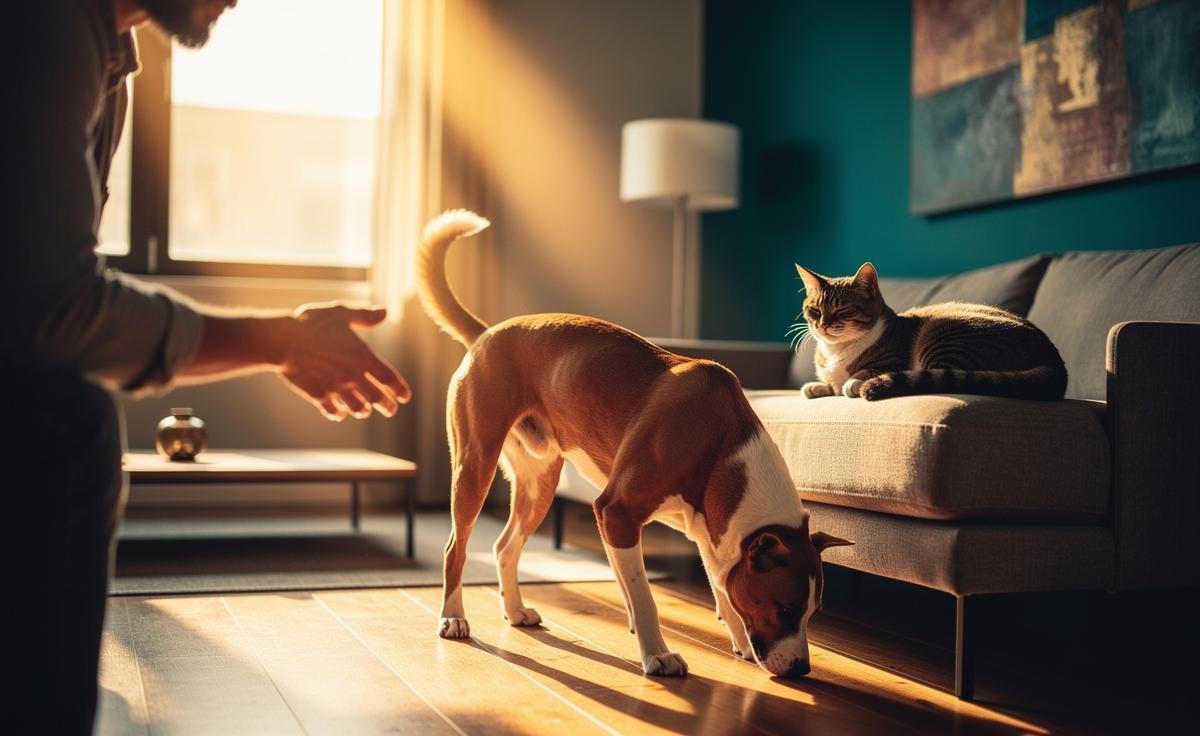
Start with the body. Dogs often avert their gaze, lick lips, sniff the ground, or present a side-on stance rather than come when called. Cats switch to slow blinks, angled ears, or a languid tail as if you’re background noise. Rabbits freeze or shift to grooming; parrots turn away and flatten feathers. These aren’t random. They form a polite set of “no, thanks” signals—sometimes a firm “please not now.” Interpreting disengagement as defiance risks escalating a situation that your pet is actively trying to de-escalate. Context is the compass: is the room noisy, are there children bustling, is the bowl empty, is the litter tray clean, did anything change recently?
Behaviourists distinguish three broad meanings of ignoring: self-soothing (calming after arousal), competing motivation (something else is more valuable), and avoidance (stress, pain, or fear). Compare these signals across common pets to identify the likely cause before you act. Tiny tells matter. A cat’s single tail flick can be a full stop. A dog sniffing grass mid-cue often buys time. The more precise you are at reading these micro-messages, the fewer standoffs you’ll face, and the faster trust rebounds after a wobble.
| Species | Typical “Ignoring” Signal | Likely Meaning | Immediate Best Response |
|---|---|---|---|
| Dog | Gaze aversion, ground sniffing | De-escalation or competing scent | Pause, reduce pressure, reset cue later |
| Cat | Slow blink, ear swivel away | Low-level disengagement | Offer choice, use softer voice, reward approach |
| Rabbit | Freeze, grooming | Stress or recovery | Give space, lower noise, provide hide |
| Parrot | Turn back, feather slicking | Overstimulation | Break, dim lights, try later |
The Science: Selective Attention, Not Spite
In plain terms, your pet follows what pays. Brains filter stimuli through selective attention. If recall earns dry kibble but the breeze carries fox scent, the fox wins. That’s not naughtiness; it’s competing reinforcement. Over time, animals also learn habituation (“this cue doesn’t matter anymore”) or learned irrelevance if our signals are inconsistent. Stress biology weighs in: heightened cortisol narrows attention to safety; oxytocin can widen it towards social bonding. When arousal spikes, listening drops. The upshot? You can’t train through physiology; you must work with it.
Behaviourists frame “ignoring” as a data point about value, clarity, and context. Was the cue fluent in quiet before you tried it in the park? Do you reward promptly, within two seconds, or do you fumble and miss the window? Is the cue drowned out by similar words? The solution lives in mechanics: sharpen timing, adjust distance to distractions, and raise reward quality strategically. Short sessions beat marathons. Evidence-led tweaks—like capturing offered attention and reinforcing orientation to you—transform the dynamic from tug-of-war to choice-rich cooperation. Change the environment and the reinforcement, and attention follows.
When Disengagement Signals Stress, Pain, or Burnout
Sometimes “ignoring” is a whisper of discomfort. Sudden withdrawal can point to pain (dental disease, arthritis), sensory changes (hearing or vision loss), or gut issues that make movement aversive. Ageing pets may drift due to cognitive decline. Cats with cystitis avoid contact; dogs with ear infections dodge handling; parrots under-sleeping become aloof, then irritable. If a social, responsive pet goes remote overnight, think vet first, training second. Track appetite, sleep, toileting, and movement. If two or more shift alongside the aloofness, medical evaluation is urgent.
Then there’s emotional load. Chronic noise, inconsistent routines, crowded spaces, and constant cues with no pay-off cause learned helplessness or avoidance. Some animals simply hit “social battery low.” Watch for dilated pupils, tension through the jaw, tucked tails, or a cat’s tail swish that tightens at the tip. These aren’t theatrics; they’re declarations. Build rest into the day, and protect safe zones where humans don’t initiate. Reframe proximity as optional. By treating disengagement as information rather than insolence, you’ll often prevent escalation to growling, swatting, or biting and maintain that crucial bank of trust.
Fixing the Freeze-Out: Practical Steps That Work
Start with a check-up. Rule out pain, dental disease, and ear trouble. Next, adjust the scene. Reduce competing distractions before you ask for focus. That means quiet rooms, shorter distances from triggers, and rewards your pet actually values. Pay well for attention; you’re competing with the world. Teach a simple “look” cue, then reinforce fast head-turns toward you in easy settings. Track latency—how long your pet takes to respond—to gauge improvement objectively.
Short, punchy sessions win: five reps, then break. Swap dry treats for fresh chicken or a play tug when the environment gets harder. For cats, use high-value food or wand play, and reward voluntary approach rather than chasing affection. Offer consent-based handling: present your hand, wait for a lean-in; if your pet turns away, you stop. Dogs thrive on sniff-walks that let them decompress; cats need vertical space and predictable routines. Rotate enrichment—scatter feeding, puzzle toys, shreddables for parrots. Make your cues consistent and rare: say it once, then help your pet succeed. As success stacks up, attention stops feeling like a chore and becomes the gateway to good things.
Your pet’s “ignore” isn’t a character flaw; it’s a message about needs, value, and current capacity. Reading that message turns daily friction into a partnership built on clarity and choice. When you adjust the environment, respect consent, and reward generously, attention becomes effortless. That shift is both humane and effective. It’s also surprisingly fast once you measure and tweak. So, the next time your companion looks away, will you feel snubbed—or will you pause, decode the cue, and try a smarter, kinder plan that invites them back to you?
Did you like it?4.6/5 (22)