In a nutshell
- 🔍 Explains chaos parenting as a social-media-fuelled push for fewer rules and more flexibility, emerging amid UK cost-of-living pressures and schedule fatigue.
- ✅ Supporters claim it builds resilience, autonomy, and self-regulation, citing benefits from risky play, reduced power struggles, and warmer attachment.
- ⚠️ Critics warn of developmental risks: undermined regular sleep, safeguarding gaps in urban settings, equity issues, and parental burnout shifting rather than easing.
- 📊 Evidence points to a hybrid: consistent routines (sleep, meals) plus rich child-led play windows—structure as a scaffold, not a cage.
- 🧭 Practical guidance: protect anchors (sleep, mealtimes, outdoor time), offer real choice, set clear boundaries, coordinate with schools, and build teen buy-in without buying into extremes.
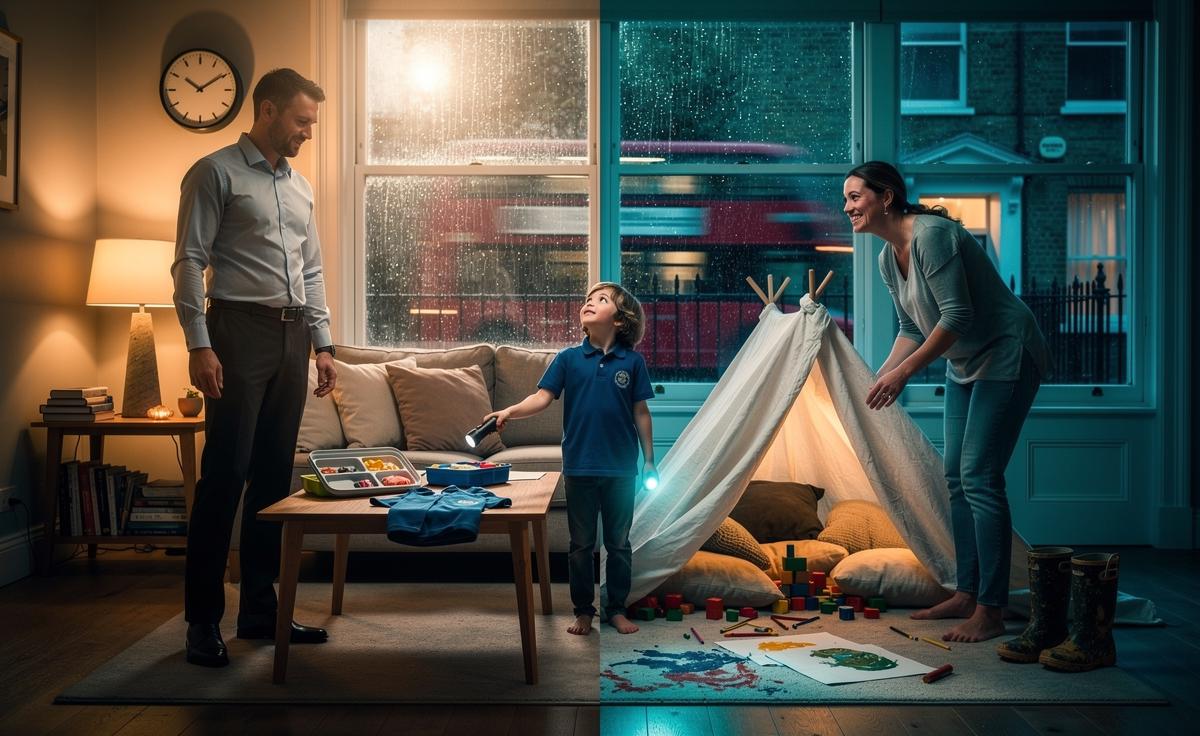
Another week, another viral parenting philosophy. This time it’s “chaos parenting,” a loosely defined trend that urges families to drop strict routines in favour of child-led days, flexible bedtimes, and spontaneous learning. Videos of unmade timetables and barefoot adventures rack up millions of views. The appeal is obvious in a UK squeezed by the cost-of-living crisis and schedule fatigue after the pandemic. Parents want ease. Children want agency. But experts are splitting: some hail a chance to rebuild resilience, others see a fast track to stress. Is controlled disorder the antidote to burnout—or an avoidable mess?
What Is ‘Chaos Parenting’ and Why Now?
Unlike traditional “gentle parenting” or the long-debated “free-range” approach, chaos parenting isn’t a textbook method. It’s a social-media-born mood: fewer rules, more improvisation, less pressure to perform. Families let children steer activities, mealtimes slide, and schoolwork fit around curiosity. The trend’s rise feels timely. After lockdowns, many parents say rigid schedules broke down while bonds grew. Flexibility started as survival, then looked like a philosophy. Less friction, fewer battles, more joy—so the promise goes.
There’s also cultural fatigue. UK parents face long commutes, soaring childcare costs, and overcrowded calendars. Bins to take out, emails to answer, PE kits to remember. A method that says “stop over-managing” sounds merciful. Advocates argue that children gain autonomy when adults relinquish minute-by-minute control. Critics retort that what’s marketed as liberation sometimes looks like abdication. The line between flexibility and neglect of structure is razor-thin, and easy to trip over.
Then there’s the algorithm. Parenting content rewards extremes. “No bedtime” gets clicks; “balanced routine with wiggle room” does not. Researchers who track digital culture note that catchy labels can outpace evidence within weeks. Ideas spread faster than nuance, and far faster than longitudinal data.
Supporters Say Freedom Builds Resilience
Proponents cast chaos parenting as a reset for a generation overscheduled since nursery. Let children choose their play. Let curiosity breathe. In this view, unstructured afternoons encourage inventiveness, collaborative problem-solving, and a sturdier tolerance for uncertainty—skills prized by employers and educators alike. Advocates point to “risky play” research from Scandinavia and the UK’s forest school movement, which link measured risk with gains in confidence and motor control. Small stumbles now may inoculate against bigger falls later.
Supporters also argue that family stress plummets when power struggles over bedtimes, broccoli, or homework de-escalate. A calmer home can nurture warmer attachment, they say, which predicts better outcomes than any perfectly kept chart. For neurodivergent children who find transitions punishing, a looser day can reduce meltdowns and allow focus to ebb and flow naturally. Some parents report that once the pressure lifts, children voluntarily return to reading or chores—because choice feels dignifying.
Their punchiest claim is philosophical: childhood is not a productivity project. When every moment is optimised, joy exits through the side door. Proponents argue that play without adult choreography builds self-regulation in a way gold-star sticker systems cannot. Freedom, they insist, is not the enemy of growth—it is its engine.
Critics Warn of Developmental Risks
Opponents see the same videos and wince. Children need scaffolding, not a shrug. UK paediatricians consistently highlight the importance of regular sleep for memory consolidation, emotional regulation, and immune health. If “chaos” slides into erratic evenings and late-night screens, daytime behaviour and school performance can wobble. Sleep is non-negotiable for growing brains. Teachers, already managing post-pandemic gaps, fear a widening gulf between children with steady routines and those without.
Safeguarding is another anxiety. Unsupervised “adventures” may look charming online. In a dense urban Britain, they can be risky. Without agreed boundaries—routes, check-ins, trusted adults—hazards multiply. Critics stress that freedom requires guardrails, especially where neurodivergence, medical conditions, or social vulnerabilities are in play. There’s also equity: families in cramped flats or unsafe neighbourhoods cannot “lean into chaos” like those with gardens and time-rich schedules.
Finally, mental load rarely vanishes; it shifts. Parents still orchestrate meals, money, and appointments. If structure dissolves, that hidden work becomes more unpredictable and more exhausting. Burnout doesn’t leave; it shapeshifts. Loosened routines without shared responsibilities can deepen, not relieve, parental strain.
What the Evidence and Data Actually Show
There is no gold-standard trial on “chaos parenting” as a single entity. But adjacent research paints a clearer picture. UK and international studies link consistent routines—especially sleep and mealtimes—to better attention, mood, and literacy gains. Separately, bodies of work on child-led play and outdoor learning show benefits for creativity, self-efficacy, and physical health. The puzzle is synthesis: how to keep the scaffolding that underpins wellbeing while preserving genuine autonomy inside it.
| Claim | What research indicates | Potential UK impact |
|---|---|---|
| Routines stifle creativity | Structured anchors with unstructured play windows support both security and innovation | Hybrid schedules likely outperform all-or-nothing approaches |
| No bedtimes improve autonomy | Insufficient sleep harms learning and mood; autonomy can be built within consistent sleep windows | Schools may see attendance dips and attention issues |
| Risky play boosts resilience | Measured risk correlates with confidence; risk needs clear safety rules | Urban contexts require stronger guardrails and local knowledge |
Think of family life as a jazz band. The rhythm section—sleep, nutrition, school times—keeps time. Solos happen on top. When the beat vanishes, the music collapses; when it’s tyrannical, no one improvises. The sweet spot blends predictable anchors with wide, meaningful choice. That is not as clickable as “chaos,” but it’s sturdier, kinder, and more sustainable for real British households.
Practical Guidance for UK Families Caught in the Crossfire
Begin with anchors. Protect a consistent sleep window, rough mealtimes, and daily outside time. Inside these, offer choice-rich zones: what to read, which park to explore, which recipe to help cook. Name boundaries aloud—roads not to cross, screens off by a set hour, a family check-in at four. Clarity turns freedom from a gamble into a gift. If your child needs predictability, visual timetables can coexist with spontaneous detours; you’re not betraying either camp.
Watch for feedback loops. If mornings are fractious, tighten bedtime. If boredom breeds creativity, resist the urge to rush in with activities. Schools and nurseries can be allies: ask what rhythms help your child focus, then echo them at home. For teens, co-write agreements on screens and study times; shared ownership builds buy-in. In multigenerational households, set a simple rulebook everyone can remember, especially around safety and sleep.
Finally, refuse the false binary. You don’t need a hashtag to parent well. Keep what works, ditch what doesn’t, adjust next week. Documented benefits of child-led exploration can live happily alongside NHS-aligned sleep routines and sensible safeguarding. Balance is not bland—it’s brave in a culture that rewards extremes. The aim isn’t to win a debate; it’s to raise children who are rested, curious, and ready for the world.
Parents crave less pressure and more joy. Children need both freedom and firm ground. The clash over “chaos parenting” is really a referendum on how we share power and create calm inside turbulent times. Perhaps the way through is neither surrender nor siege, but thoughtful blending—clear anchors, generous choice, honest review. What mix would help your family feel safer, lighter, and more alive this week—and what small change could you try tonight?
Did you like it?4.3/5 (23)