In a nutshell
- 🌊 Water in dreams symbolizes emotion in motion, reflecting the unconscious and your current affective state; calm lakes signal balance, floods hint at overwhelm.
- 🧠 During REM, the limbic system runs hot; water scenes act as a rehearsal space for emotion regulation and threat preparation rather than fixed symbols.
- 🗺️ Meaning shifts with form and context: clear vs murky, river vs ocean, ice vs drought; ask what the water did, where you stood, and how your body felt.
- 🌍 Cultural and personal layers matter—baptism, mikveh, wudu, coastal memories—so anchor interpretations in your biography and recent life events.
- 🛌 Recurring drowning/tsunami dreams can flag stress; try sleep hygiene, dream journaling, and imagery rescripting, and seek professional help if nightmares persist.
Across the UK, many of us wake with a vivid aftertaste of water—tidal surges, cracked riverbeds, bathrooms overflowing—lodged in memory like a song hook. Dreams about water feel primal because they are. They tug at bodily rhythms, emotional tides, and old stories we barely remember hearing. Psychologists and sleep scientists tell me the symbolism is elastic rather than absolute: water takes the shape of what contains it, and so do our dreams. When you dream of water, your mind may be mapping feelings the waking self has not yet named. From Jung’s archetypes to modern affect neuroscience, here is how experts decode these watery narratives—and how you might read your own.
The Psychology Behind Water Dreams
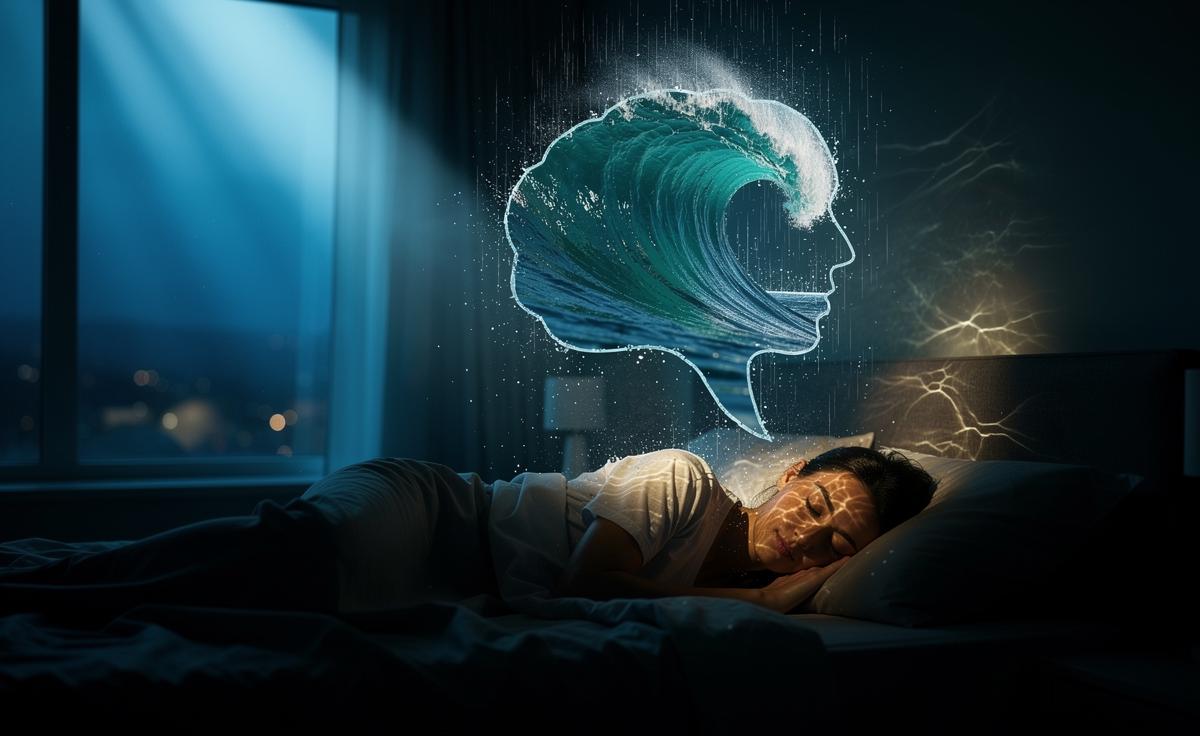
At the interpretive centre of water dreams sits a simple proposition: emotion moves. Water is the mind’s shorthand for affect in motion—surge, trickle, freeze, flood. Carl Jung saw water as an image of the unconscious, a collective reservoir of memory and myth, while Freud linked it to birth, sexuality, and bodily pressures. Contemporary clinicians are more circumspect. They emphasise function over dogma, noting how REM sleep helps regulate arousal and facilitates emotion regulation. In this view, stormy seas can flag unresolved agitation; a clear pool might reflect integration or calm.
Neuroscientists add a physiological layer. During REM, the limbic system is highly active, stress hormones ebb and flow, and the brain rehearses scenarios to prepare for future threats. Water, then, becomes a dynamic stage on which the nervous system practises coping with intensity. One therapist described it to me as a bio-psycho metaphor: the body’s sense of homeostasis projected as a lake at dusk, or ruptured by a sudden wave. None of this means an index-card dictionary can decode your dream. Instead, experts suggest treating water as a personalised gauge for pressure, need, and relief.
What Different Water Forms May Signal
Context matters. A glassy lake at sunrise often signals composure or contemplative space; a murky canal hints at unclear motives or muddled boundaries. Fast rivers can suggest decisions that feel time-bound, carrying you along before you’ve chosen a course. Floods tend to appear when life feels uncontainable—deadlines, bills, emotions breaching their banks. By contrast, gentle rain can be restorative, the psyche’s rinse cycle after a bruising week. Depth also matters: shallow water may show tentative feelings; abyssal depths can point to an invitation—and fear—to explore what lies beneath habitual thought.
Specific settings add nuance. Bathtubs and showers often reflect private self-care or cleansing rituals, while the sea, with its vast horizon, evokes transpersonal themes—loss, freedom, the unknown. Clear water is associated with insight and honesty; turbid water with secrecy or infection (psychic or literal). Ice or drought suggest emotional restriction, perhaps burnout; leaks indicate small, persistent drains on energy. Experts caution against rigid mapping, though. Ask what the water was doing, where you were in relation to it, and how your body felt inside the scene. Those answers personalise the symbol better than any universal glossary.
| Dream Scenario | Possible Meaning | Useful Reflection |
|---|---|---|
| Calm lake at dawn | Emotional balance, contemplative pause | What supports your current calm? |
| Rising floodwater | Overwhelm, boundaries breached | Where is pressure building unnoticed? |
| Murky canal | Ambiguity, hidden factors | What feels unclear or withheld? |
| Powerful ocean wave | Intense affect, transition | What change are you resisting? |
| Frozen river | Emotional numbness | What would safely thaw you? |
Cultural and Personal Contexts Matter
Water is never only water. For someone raised on a Cornish coast, the sea may smell of summer work and family income; for another, it carries grief after a near-drowning. Religious traditions layer meanings: Christian baptism signals rebirth; in Judaism, the mikveh marks purification; in Islam, wudu prepares one for prayer. Monsoon cultures read rain as blessing and danger at once. In arid regions, water is power, property, and miracle. These overlays shape how your dreaming mind selects and stages its waterscape.
Therapists urge a simple practice: anchor interpretation in your own biography. What recent events featured water—holidays, leaks, a burst pipe, wild swimming in the Lakes? Who was with you in the dream, and did the water separate or connect you? Note the soundtrack: gulls, silence, sirens. Even the vessel matters—kayak, ferry, no boat at all. Dreams borrow props from daily life but compose them into an emotional argument. Your task is to identify the argument: safety versus risk, cleansing versus contamination, holding on versus letting go. Culture is the backdrop; your associations are the plot.
When Dreams Hint at Stress—And How to Respond
Recurring drowning or tsunami dreams often correlate with sustained stress, trauma echoes, or sleep disruption. Night after night, the wave returns. Consider this a dashboard light rather than a disaster forecast. Start with sleep hygiene: steady wake times, cooler rooms, less late caffeine and alcohol. A brief note before bed—one sentence naming the day’s heaviest feeling—can stop it sloshing unprocessed into REM. On waking, jot the dream in a notebook; underline the most charged image. Over time, you’ll see patterns: where the current strengthens, where it weakens.
For some, rehearsal helps. Picture the dream again and introduce a coping script: a life jacket appears, the tide turns, a hand reaches in. This imagery rescripting technique, used in trauma therapy, can reduce intensity. If nightmares persist, disturb sleep, or arrive with flashbacks or panic, speak to a GP or a trauma-informed therapist; PTSD and anxiety disorders are treatable. Keep rituals practical: hydration, a warm shower, a short walk by actual water to reset the nervous system. The aim isn’t to banish water from dreams, but to change your relationship with the tide.
Water dreams can be compass, confession, and rehearsal—a nightly newsroom where feelings file their copy against the deadline of dawn. Treat them as data with drama: gripping, but informative. Decode the setting, your distance from the water, and the mood in your body, then test any interpretation against lived reality. If the patterns point to strain, adjust the day so night can soften it. Let the dream speak, but let daylight ask questions. When water turns up in your dreams this week—glass, storm, drizzle—what is it inviting you to notice, and what small action might you take in response?
Did you like it?4.6/5 (27)