In a nutshell
- 🧭 Aging isn’t a steady slide: capacity varies widely, and with smart training, sleep, and diet, many older adults gain strength, mobility, and resilience.
- 🧠 The brain stays adaptable: neuroplasticity endures, with activity, sleep, social ties, and treating hearing loss supporting cognitive reserve and sharper thinking.
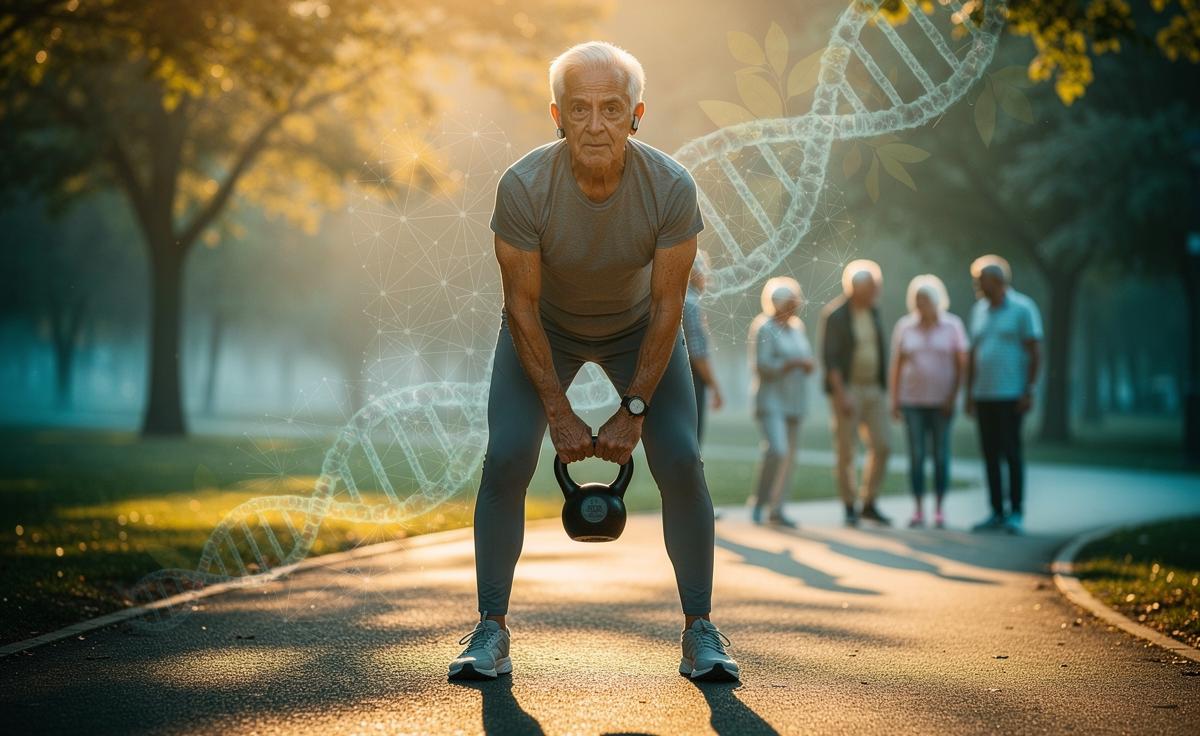
- 🏋️ Exercise is a multiplier, not a menace: progressive, well-coached cardio and resistance training reduce falls, ease pain, and boost mood—start low, go slow, master form.
- 🧬 Genes set the stage, habits direct the play: lifespan heritability is modest; environment, nutrition, movement, sleep, and community drive most outcomes.
- 📊 Practical takeaways win: aim for 150 minutes of moderate activity weekly, two strength sessions, Mediterranean-style eating, and routine screening to extend healthspan.
We talk about ageing as if it’s a steady slide downhill, yet the science tells a far more dynamic story. In clinics, labs, and living rooms across the UK, researchers and families are discovering how lifestyle, social ties, and smart healthcare can bend the curve of healthspan—the years lived in good health. Age alone is not destiny. From neuroplasticity to muscle adaptation, the body keeps surprising us well into our seventies and beyond. Here’s a journalist’s guide to four stubborn myths—what they get wrong, what data says, and how people are quietly rewriting the script of later life.
Aging Always Means Decline
This myth thrives on averages. Yes, certain functions trend down with time, but they do so at vastly different rates in different people. UK Office for National Statistics data show rising life expectancy over decades, but the real story is heterogeneity: some 75‑year‑olds outpace 50‑year‑olds on mobility tests when they train, fuel well, and sleep consistently. In physiology, resilience—the capacity to recover after stress—often matters more than raw peak performance. Maintenance and improvement are possible in later life when stress is dosed and recovered from strategically.
Anecdotally, I followed a retired Yorkshire engineer who joined a local walking group at 68. Six months of progressive hills and simple resistance bands lifted his leg strength, eased knee pain, and lowered blood pressure. That’s not magic; it’s biology. Muscles respond to load via mechanotransduction, bones remodel under force, and the cardiovascular system improves with regular effort. The enemy is not age but chronic inactivity. Why “more” isn’t always better: sharp, unplanned spikes in training raise injury risk, while modest, regular doses build capacity without overwhelm.
Brain Power Inevitably Fades After 50
It’s more nuanced. Certain quick-fire skills (processing speed, aspects of working memory) may dip gradually, yet crystallised intelligence—vocabulary, domain expertise, pattern recognition—often rises into the 60s and 70s. The adult brain remains plastic: synapses rewire with challenge, novelty, and rest. Large cohort studies, including UK Biobank analyses, associate physical activity, quality sleep, social engagement, and treating hearing loss with better late-life cognitive trajectories. That means puzzles help, but a brisk walk, a chatty lunch, and hearing aids might help more.
Clinically, we see “cognitive reserve” at work—networks built across a lifetime that buffer against decline. A former primary school headteacher I interviewed started piano at 71; within a year, she reported sharper attention and calmer evenings. Is it the scales? Possibly. But also the routine, the community, and steady skill acquisition. Practical science-backed levers: 150 minutes of moderate activity weekly, two sessions of resistance training, Mediterranean-style eating, and conscientious sleep. Manage depression, blood pressure, and diabetes. None of this is exotic; it’s relentlessly ordinary—and quietly potent.
Exercise Is Dangerous for Older Adults
Done poorly, yes; done appropriately, it’s a health multiplier. Randomised trials consistently show that strength, balance, and aerobic work reduce falls, improve gait speed, and brighten mood. NHS guidance still anchors on 150 minutes of moderate cardio plus strength twice weekly, but for those starting from low fitness, ten-minute bouts count. Risk in older adults lies less in movement itself and more in abrupt, unsupervised spikes without progression. The antidote is boring and effective: gradual loading, good technique, and recovery days.
Consider resistance training. It counters sarcopenia (age-related muscle loss), supports joint stability, and boosts insulin sensitivity. A London community physio told me her fall-prone clients improved after eight weeks of sit-to-stands, step-ups, and farmer’s carries with shopping bags. That’s not gym mythology; it’s function rehearsed. Why “harder” isn’t always better: heavy, sloppy deadlifts on day one invite trouble, while light-to-moderate sets with perfect form build a base. If you have cardiovascular disease, arthritis, or are on multiple medicines, screening with a GP or physiotherapist keeps the benefits high and the risks contained.
Longevity Is All in Your Genes
Genes matter, but not as much as this myth suggests. Best estimates place lifespan heritability at roughly 10–30%, with the rest shaped by environment and behaviour—dietary patterns, movement, sleep, air quality, relationships, and access to healthcare. Epigenetic markers like DNA methylation reflect this: lifestyle can nudge biological age clocks in either direction. Your daily routines often carry more leverage than your family tree. That means you can’t pick your parents, but you can pick your next meal, walk, bedtime, and community group.
Here’s a quick evidence-led map from myth to method.
| Myth | What Science Says | Practical Takeaway |
|---|---|---|
| “Decline is inevitable.” | Rates vary; capacity improves with training and recovery. | Progressive strength, brisk walking, and sleep hygiene extend healthspan. |
| “Brains can’t change.” | Adult neuroplasticity persists; lifestyle factors matter. | Move daily, learn new skills, treat hearing loss, prioritise sleep. |
| “Exercise is risky.” | Appropriate activity lowers injury and fall risk. | Start low, go slow, master form; consider a physio check. |
| “It’s all genetic.” | Genes set the stage; habits direct the play. | Focus on diet quality, strength, social ties, and routine screening. |
Ageing is personal, variable, and, crucially, modifiable. The strongest lesson from the data and the front lines of British healthcare is this: small, sustainable habits compound. Add a hill to your walk. Cook beans twice a week. Lift something a bit heavier than last month. Phone a friend. The calendar changes, but your capacity to influence outcomes persists. What belief about ageing has most shaped your choices—and what simple experiment could you try this month to test whether that story still serves you?
Did you like it?4.6/5 (25)