In a nutshell
- 🚦 Councils now wield Part 6 powers to enforce moving traffic offences (bus gates, banned turns, yellow boxes) via ANPR cameras, with typical Penalty Charge Notice around £70 outside London.
- 🐢 Expect broader 20mph limits in residential and school areas, backed by portable and average-speed cameras; fines, points, and insurance hikes loom, but calmer speeds can shorten real-world journey times.
- 🌫️ Expanded CAZ/LEZ rules mean daily charges for non-compliant vehicles and steep penalties if unpaid by the deadline; consider compliant routes, park-and-ride, and avoid engine idling fines near schools.
- 📵 Handheld phone use is banned even when stationary at lights, with penalties of £200 and six points; use a legal dash mount, voice control, and ensure unobstructed visibility.
- 🗺️ Plan ahead: check council go‑live maps and signage, verify vehicle compliance, and adjust routes or timings—small prep now prevents costly delays throughout December.
The turn of December often brings more than frosty windscreens. Across the UK, councils and national agencies tend to switch on fresh powers, tighten enforcement, and pilot schemes that subtly, and sometimes sharply, reshape daily journeys. Expect cameras, signage, and roadside notices to do more of the talking. Some changes are nationwide; others are highly local. All can hit your schedule and your wallet. This guide explains what’s arriving, where it might bite, and how to stay on the right side of the law. Small tweaks can trigger big delays. A few minutes reading now could save you points, fines, and stress in the weeks ahead.
Stricter Enforcement of Moving Traffic Offences
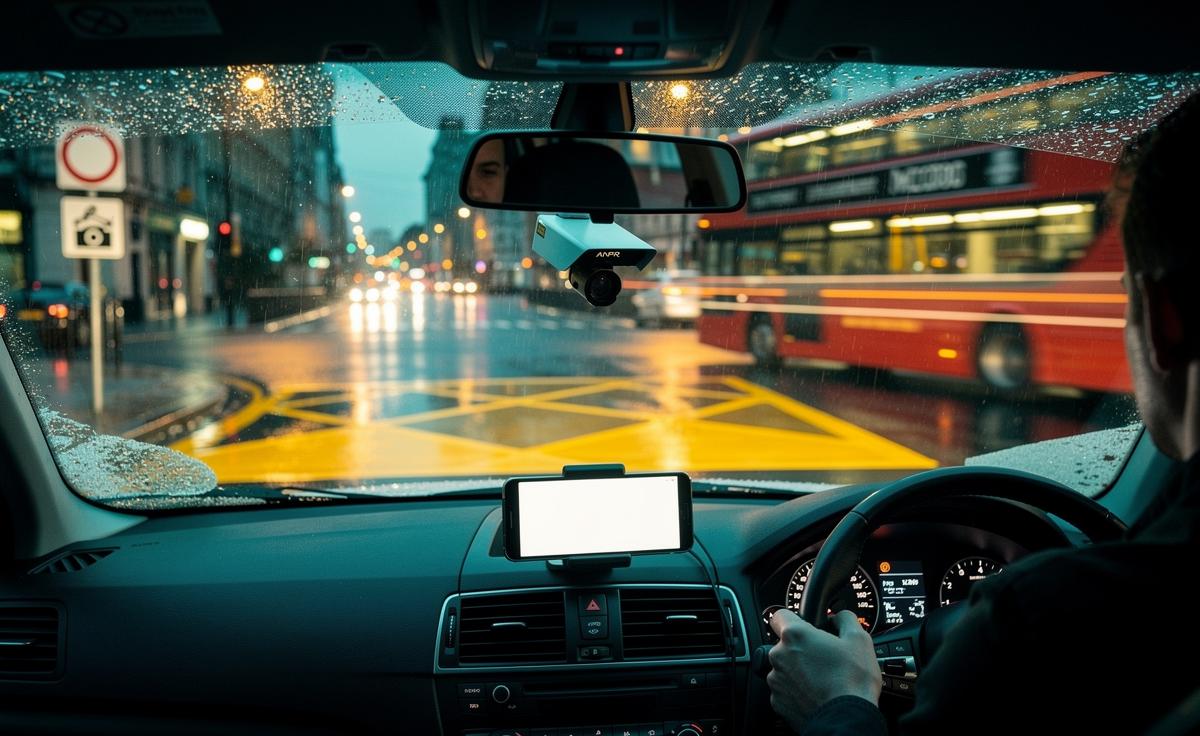
From December, more English councils are activating Part 6 powers of the Traffic Management Act 2004, meaning they—not just police—can enforce moving traffic offences such as banned turns, no-entry signs, weight limits, and yellow box junction rules. Expect fresh ANPR-equipped cameras near congested pinch points and outside schools. Fines will arrive by post. Outside London, a Penalty Charge Notice typically sits at around £70 (usually half if paid promptly). In London, the figure is higher. The crucial shift is consistency: an everyday “quick nip” through a bus gate that previously drew a warning could now be automatically logged and processed.
What changes for your commute? More predictable, but stricter, flows. Buses move faster when gates are respected; box junctions keep junctions clear only if nobody blocks them. Plan ahead by checking your council’s website for go-live maps and updated signage. Turn bans and one-way systems can seem arbitrary until you view the collision data behind them. If a route you’ve used for years now carries a camera icon, assume instant enforcement. Re-routing once may be slower today, but it will be faster than repeated £70 lessons in the post.
| Change | Where You’ll See It | Typical Penalty | Impact on Commute |
|---|---|---|---|
| Moving Traffic Offences | Bus gates, box junctions, banned turns | ~£70 outside London (higher in London) | Fewer shortcuts, steadier flows |
| 20mph Limits | Residential roads, near schools, town centres | Speeding fines/points per offence | Lower peak speeds, calmer streets |
| CAZ/LEZ Rules | City centres, ring roads, bridges | Daily charges for non-compliant vehicles | Cost or reroute decisions |
| Mobile Phone Use | All roads, including at lights | £200 and 6 points | Hands off devices, use proper mounts |
Lower Speed Limits and Seasonal 20mph Zones
Expect more 20mph limits in built-up areas, especially around schools and busy high streets, as local authorities widen coverage and refine exceptions. Wales’s default 20mph on restricted roads is now more bedded in, with ongoing adjustments street by street; English and Scottish councils continue to roll out targeted zones. The headline is simple: assume lower limits where people walk, cycle, or cross. Enforcement is upping its game too. Portable cameras, average-speed systems, and community speed watch groups become more visible in darker months when collision risk rises.
Penalties vary by speed and circumstances, but the combination of fines, points, insurance hikes, and potential court appearances will sting far beyond any time saved. If your commute runs through a town centre, check signage; if lamp posts sit closer than usual and there’s no repeat sign, it may still be a restricted road with a lower limit. Consider leaving five minutes earlier. Drivers often forget the knock-on: smoother, slower traffic reduces stop-start queues. Rolling at 20mph for half a mile can beat sprint-and-brake at 30mph, especially with pedestrian phases and bus priority kicking in at each junction.
Clean Air and Emissions Rules Expanding in Cities
Several cities refine or expand Clean Air Zone (CAZ) and Low Emission Zone (LEZ) boundaries in winter, and December commonly marks the start or tightening of enforcement windows. If your vehicle does not meet the emissions standard, you may face a daily charge to enter or cross certain zones. These are not parking fines; they are pay-to-enter charges logged by cameras. Driving in without paying—often by midnight or a set cut-off—can trigger steep penalties. Commercial vehicles, older diesels, and private cars that miss the mark are affected most.
Check your plate against the official checker for the city you’re entering, and don’t assume last year’s rules still apply. Local authorities also tend to clamp down on engine idling near schools and taxi ranks as air quality worsens in colder weather, with fixed penalties typically £20–£80 depending on location. For commuters, two strategies work: route around restricted cores, or plan a park-and-ride connection where it’s faster and cheaper. Budget the daily charge into your cost of commuting, or eliminate it with a compliant route. Either way, last-minute surprises are the real wallet-drainers.
Phones, Smart Tech and In‑Car Cameras: What You Can and Can’t Do
The law now covers almost any handheld mobile phone use while driving—picking it up to scroll, take photos, change tracks, or check a message is an offence, even if you’re stationary at traffic lights. Expect seasonal campaigns and targeted patrols in December when distraction spikes. The penalty is typically £200 and six points. Hands firmly off your phone at the wheel. If you rely on navigation, use a legal dash mount, set routes before moving, and ensure the device doesn’t obstruct your view of the road.
What about dashcams and cabin cameras? Recording is generally lawful on UK roads, but position matters: the device must not block your vision or create dangling cable hazards. Voice control and steering wheel buttons are safer options for calls, yet drivers remain responsible for full control of the vehicle at all times. And a winter note: a half-scraped windscreen can be an offence in itself. Clear ice, clear condensation, clear the clutter. Tech should help, not hinder. If it steals your attention for more than a glance, it is a liability—legally and physically.
December’s changes aren’t designed to catch you out, but they will catch the unwary. Think of them as a recalibration: safer junctions, cleaner air, calmer speeds, and fewer distractions. Your easiest wins are simple: check your council’s latest enforcement map, verify your vehicle against any CAZ or LEZ you’ll enter, and audit your in-car tech for legality and placement. Five minutes of prep beats weeks of regret. As the season turns and the rules tighten, what will you adjust first—your route, your timing, or your habits behind the wheel?
Did you like it?4.6/5 (30)