In a nutshell
- 🚫 From 25 February 2026, visa‑free visitors must hold an Electronic Travel Authorisation (ETA) or eVisa to board UK‑bound transport, with carriers checking status.
- 🌍 Required for travellers from 85 countries (including the EU, US, Canada, Australia, Japan, South Korea, Brazil, UAE, Saudi Arabia); British and Irish citizens are exempt; airside transit at Heathrow/Manchester doesn’t need an ETA.
- 📲 Apply via the official UK ETA app or government website with contact details, passport info, and a photo; most decisions arrive in minutes, but allow up to three working days.
- 💷 The ETA costs £16 (€18.20) and is valid for two years or until the passport expires; a new ETA is needed after passport renewal.
- 🛂 Introduced to modernise immigration, strengthen security, and move toward a contactless UK border through pre‑travel screening.
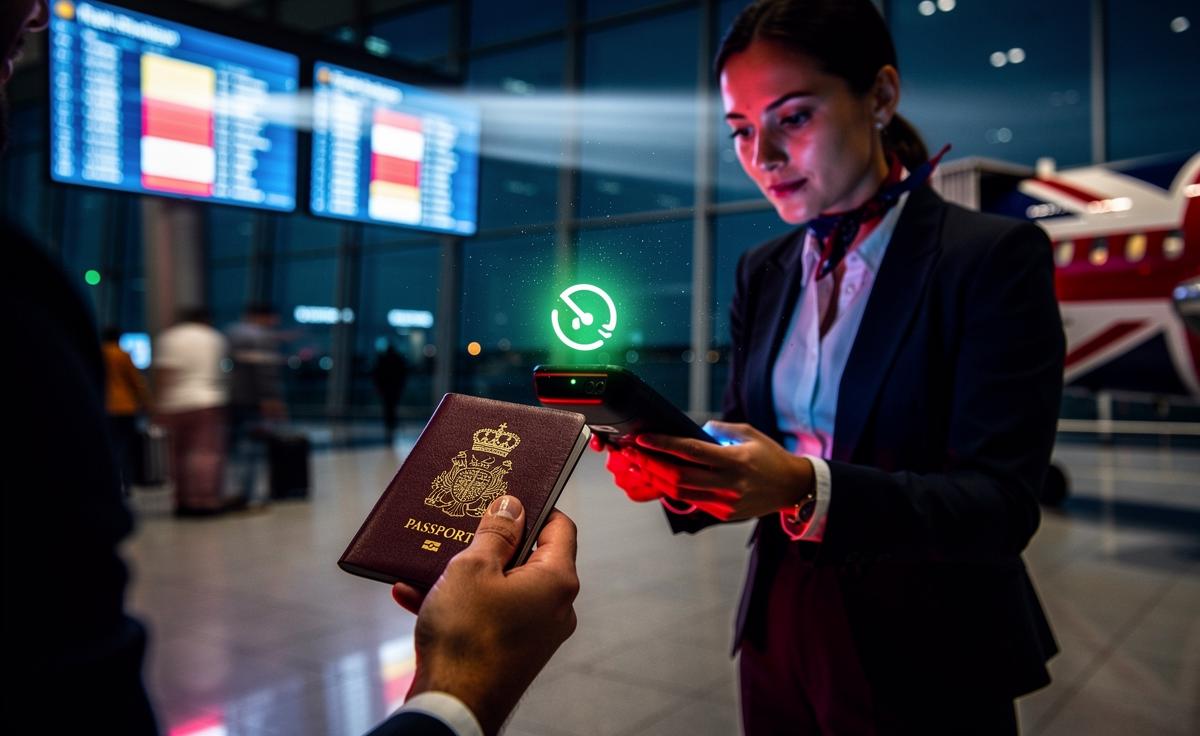
The UK is drawing a hard line on border permission. From 25 February 2026, most non‑visa visitors will need an Electronic Travel Authorisation (ETA) to board a plane, train, or ferry bound for Britain. The message is blunt: no permission, no travel. First launched in October 2023 and quietly rolled out to let travellers adjust, the system steps into full force next year. It’s not a visa, nor a tax. It’s a digital permit that pre-checks arrivals and links to your passport. For millions planning UK stays of up to six months, this small approval will decide whether a trip begins or ends at the departure gate.
What Is the ETA and When Will It Be Enforced?
The ETA is a lightweight, pre‑travel authorisation designed for short stays in the UK. Crucially, it is not a visa. Nor is it a travel tax. Think of it as a quick, digital green light that confirms a visitor who does not need a visa—such as those from the EU, the US, and Canada—is cleared to travel for tourism or to visit family for up to six months. The system has been rolling out in phases since October 2023, with more than 13.3 million approvals issued so far, according to the UK government.
That grace period ends on 25 February 2026. From then, eligible visitors without an ETA will not be able to board their transport or legally travel to the UK. The rule is backed by pre‑departure checks: carriers will verify whether a traveller holds an ETA or an eVisa before allowing them to travel. This changes the rhythm of planning: applying well ahead of time becomes part of the packing list. Miss it, and the journey stops before it starts.
| Key Item | Detail |
|---|---|
| Enforcement date | 25 February 2026 |
| Who needs it | Visitors from 85 non‑visa countries (e.g., EU, US, Canada) |
| Maximum stay | Up to six months (tourism/family visits) |
| Cost | £16 (€18.20) |
| Validity | Two years or until passport expiry |
| Exemptions | British and Irish citizens (including dual citizens) |
| Transit | No ETA if you remain airside at Heathrow or Manchester |
| Application channels | Official UK ETA app and government website |
Who Will Need an ETA?
The requirement applies to travellers from 85 countries that currently enjoy visa‑free access to the UK. That includes citizens of the EU, the United States, Canada, Australia, Japan, South Korea, Brazil, the UAE, Saudi Arabia, Costa Rica, and many others. The rule targets those who do not otherwise need a visa to visit. British and Irish citizens are exempt, as are dual British citizens. Even so, officials advise dual nationals to carry a valid British passport or a certificate of entitlement to the right of abode from 25 February 2026 to avoid being denied boarding by carriers.
Transit remains a narrow carve‑out. If you’re simply passing through London Heathrow or Manchester and do not go through UK passport control, an ETA is not required. Everyone else should expect pre‑departure checks. All visitors to the UK must hold either an ETA or an eVisa, and transport firms will verify that status before you travel. The logic is preventative: the system stops problems at the gate rather than at the border. For families, mixed‑nationality groups, or frequent flyers, it means aligning travel documents well in advance to keep trips smooth.
How to Apply for an ETA?
Applying is intentionally simple. Use the official UK ETA app on the Apple App Store or Google Play, or apply through the UK government website if you don’t have a smartphone. You’ll need your passport details, basic contact information, and a compliant photo. The fee is £16 (€18.20). Most applicants receive an automatic decision within minutes, but the government advises allowing up to three working days in case your application requires extra checks. Plan early. Treat it like travel insurance: the small effort protects the whole trip.
An approved ETA links electronically to your passport and generally lasts for two years—or until your passport expires, whichever comes first. If you renew your passport, you will need a new ETA. Keep the email confirmation on hand even though the permit is digital; it helps if a carrier needs to verify details. Apply well before booking non‑refundable travel and double‑check that your name and passport number match exactly. It’s a tiny admin task. Yet in a world of tight connections and crowded gates, that confirmation can be the difference between wheels up and a long walk back to check‑in.
Why Is the UK Introducing ETAs?
Officials frame the ETA as the cornerstone of a modern, digital border. By pushing permission checks upstream, the UK aims to streamline arrivals and reduce friction at ports while strengthening security. The system supports the move toward a future contactless UK border, where screening happens before travel and arrivals flow more smoothly. It’s also about data. Pre‑travel information—submitted once and valid for multiple trips—helps the state build a fuller picture of who is coming and when, improving migration management and targeting risk more precisely.
Security is the headline. “ETAs give us greater power to stop those who pose a threat from setting foot in the country and gives us a fuller picture of immigration. ETAs are also better for travellers. Digitising the immigration system ensures the millions of people we welcome to the UK every year enjoy a more seamless travel experience,” said Mike Tapp, Minister for Migration and Citizenship. For travellers, the benefit is predictability: a decision before you depart, fewer surprises at the border, and a low fee. The trade‑off is clear too—more pre‑trip planning, more responsibility at the check‑in desk, and no leeway if you fail to secure that digital green light.
The countdown has begun. As of 25 February 2026, the UK’s no‑ETA, no‑entry policy becomes real, shifting the power of permission to the point of departure. For millions who previously walked straight to the gate, the new ritual is quick but non‑negotiable. All visitors must secure an ETA or hold an eVisa before travel. Are you ready to add this five‑minute task to your itinerary, to apply in good time, and to ensure your passport details are an exact match—or will the new rules catch you at the check‑in desk?
Did you like it?4.4/5 (30)