In a nutshell
- 🆕 The updated UK passport rolls out from today with a new cover bearing King Charles’ emblem, the first full redesign since 2020, and about 300 copies already in circulation.
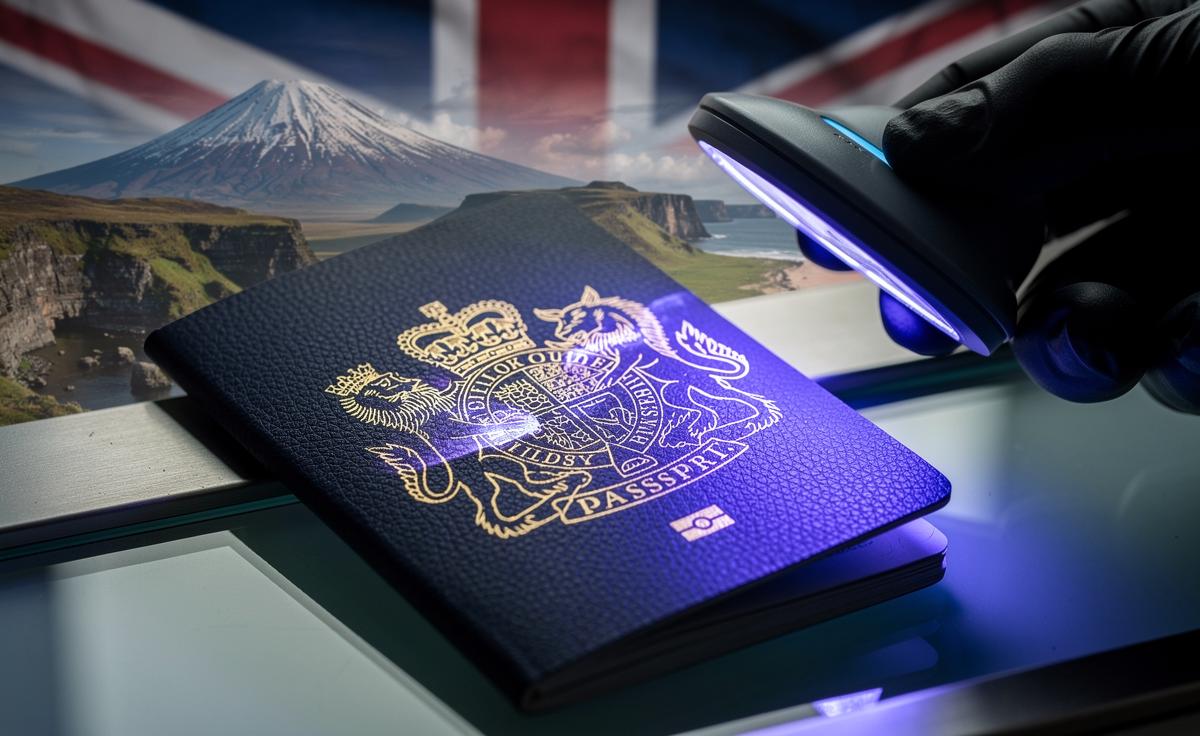
- 🛡️ Enhanced security adds holographic and translucent elements, complex patterns and UV-only features, making it the “most secure” British passport and aiding border checks.
- 🏞️ The design showcases UNESCO-linked landscapes from all four nations: Ben Nevis, the Lake District, Three Cliffs Bay and the Giant’s Causeway, blending heritage with function.
- 📅 Travellers should check validity and apply early; passports with the Queen Elizabeth II’s Arms remain valid until their expiry.
- 🌍 In Nomad Capitalist’s Passport Index, the UK ranks 35th (Malta first), underscoring how security and global perception shape travel desirability.
From today, British travellers will start to see a dramatically refreshed passport in circulation, combining a new cover, striking national imagery and a suite of upgraded security features. Early copies – around 300 – already carry King Charles’ emblem on the front, signalling a new visual era for the UK document. Inside, the design nods to the landscapes of all four nations while quietly embedding anti-forgery technology that the Home Office says will keep criminals at bay. It is the first fully revamped look since 2020. As the rollout begins, officials urge people to check validity well before travelling, while confirming that passports bearing Queen Elizabeth II’s Arms remain valid until their expiry dates.
What Changes From Today
The most immediate difference is on the cover. The refreshed document bears His Majesty’s Arms – popularly referenced as King Charles’ emblem – and introduces a cohesive visual theme inside. The four nations of the UK are represented with images of UNESCO-protected natural landscapes: Ben Nevis, the Lake District, Three Cliffs Bay and the Giant’s Causeway. It is not just a cosmetic refresh. Officials describe the update as the first wholly new design in five years, with an emphasis on durability, recognisability and cutting-edge forgery resistance. Early print runs are limited. Around 300 new passports are already circulating, a sign of a phased, controlled launch.
The Home Office characterises the redesign as the “most secure British passport ever produced.” That assertion hinges on a series of features that border staff can verify quickly, even in challenging conditions. The government frames the change as part of its wider border-security push, insisting the strengthened document will make it easier to spot tampering and stop misuse. For ordinary travellers, the essentials remain familiar: the booklet, the chip, the checks. The difference lies in the details you cannot easily see.
| Element | Detail |
|---|---|
| Cover | His Majesty’s Arms (King Charles’ emblem) |
| Design Motifs | UNESCO landscapes: Ben Nevis; Lake District; Three Cliffs Bay; Giant’s Causeway |
| Security | Holographic, translucent, complex patterns, UV-only features |
| Rollout | Effective from today; approximately 300 already in circulation |
| Validity | Passports with Queen Elizabeth II’s Arms remain valid until expiry |
The Security Features and Why They Matter
Officials say the new passport folds in the “latest anti-forgery technology”, designed to blunt the efforts of organised criminals. Expect layered holographic elements that shift under light, translucent windows that align precisely, and complex guilloche patterns that are notoriously hard to reproduce. There are also features that only reveal themselves under UV light, aiding quick front-line checks. These additions sit atop years of evolution: the first security watermark appeared in 1972, and since then HM Passport Office has added dozens of measures to stay ahead of counterfeiters.
“This helps prevent illegal entry by people with no right to be in the UK, delivering on the government’s Plan for Change to secure Britain’s borders,” the official GOV.UK guidance says. That purpose is underscored by the ministerial line. “The introduction of His Majesty’s Arms, iconic landscapes, and enhanced security features marks a new era… while ensuring our passports remain among the most secure and trusted in the world,” said Mike Tapp, Minister for migration and citizenship. The claim is bold. Yet the technical rationale is clear: when layered, interoperable checks are embedded into the physical document, verification speeds up and tampering becomes riskier, costlier and easier to detect.
What Travellers Should Do Now
For most people, the immediate to-do list is simple. Check your passport’s validity well ahead of planned trips; if renewal is needed, apply in good time through official channels. The government stresses that passports issued with the Coat of Arms of Queen Elizabeth II remain valid until their printed expiry date, so there is no obligation to switch early purely for the new look. Travellers should ensure personal details match their bookings exactly, and be mindful of any destination-specific entry rules that may require a certain period of validity upon entry.
This refresh is also a reminder of the passport’s long arc. The first modern-style British passport dates to 1915. Security never stood still: from the 1972 watermark to present-day UV checks and complex patterns, each generation has hardened the document against forgery. The current redesign, the first complete overhaul since 2020, continues that trajectory with layered features intended to frustrate tampering at multiple points. For holders, that means smoother verification at the border and fewer nasty surprises when a document is examined closely under varied light and magnification.
Heritage, Identity, and Global Perception
The passport is both tool and symbol. The new cover bearing King Charles’ emblem and the quartet of UNESCO-evoking landscapes speak to heritage and geography – the lived places of the UK. It lands, though, amid a competitive global conversation about mobility. In Nomad Capitalist’s annual Passport Index, which weighs visa-free access, taxation, dual citizenship, perception and personal freedom, the UK sits in 35th place, while Malta ranks first. Indices vary in method, but they shape narratives about desirability.
Security and perception are intertwined. A document that is hard to forge is easier to trust, and trust can translate into smoother travel arrangements over time. Yet design also communicates values. Celebrating national landscapes while tightening security signals both identity and intent. The government frames this as part of its border strategy; critics may ask if aesthetics distract from policy fundamentals. Either way, the launch raises an old question with fresh urgency: what should a modern passport prioritise – functionality, symbolism, or a deft balance of both?
The rollout begins now, with more copies filtering into circulation in the weeks ahead. Travellers do not need to rush; existing passports remain valid to their expiry, and the essential steps – careful checks, timely applications, official channels – still apply. The novelty is in the layers: smarter security, a refreshed cover, and images meant to capture a shared sense of place. As you plan your next journey, ask yourself: do these changes enhance confidence and pride, and what – for you – should define the ideal British passport in the years to come?
Did you like it?4.4/5 (30)